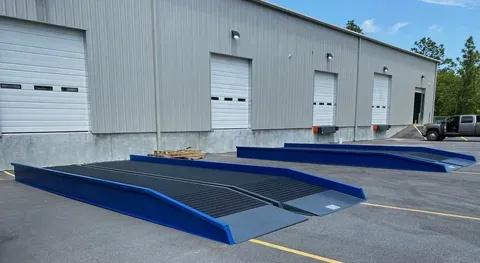
Loading docks are one of the most important operational zones in warehouses, factories, logistics hubs, and distribution centers. They serve as the transition point where goods move between trucks and storage areas. Without the right equipment, this process can become slow, unsafe, and inefficient. Loading dock equipment refers to the tools, systems, and structures installed at dock areas to help load and unload goods safely and efficiently. These systems reduce manual effort, protect workers, minimize product damage, and improve workflow speed.
Definition of Loading Dock Equipment
Loading dock equipment includes any mechanical, structural, or safety component installed at a warehouse or facility dock to support the movement of goods between vehicles and buildings.
This may include:
-
Dock levelers that bridge height gaps
-
Dock shelters that protect goods from weather
-
Dock lifts for vertical transport
-
Vehicle restraints for truck stability
-
Safety barriers and bumpers
Together, these systems ensure that goods move smoothly while reducing risk to workers, vehicles, and cargo.
Benefits of Loading Dock Equipment
1. Improved Efficiency
Proper dock systems reduce loading and unloading time. Equipment such as hydraulic levelers and dock lifts allows faster pallet movement compared to manual handling.
2. Enhanced Worker Safety
Dock accidents often involve slips, trailer movement, or height gaps. Equipment like vehicle restraints, guardrails, and anti-slip surfaces reduces these risks.
3. Reduced Product Damage
Smooth dock transitions prevent goods from tipping or falling during transfer. This is especially important for fragile or high-value items.
4. Weather Protection
Dock shelters and seals help maintain indoor temperature, reduce contamination, and protect goods from rain or dust.
5. Long-Term Cost Control
Although installation requires investment, the reduction in accidents, damage, and delays can lower operational costs over time.
Limitations of Loading Dock Equipment
While useful, loading dock equipment also has some limitations.
1. Initial Installation Cost
Hydraulic systems, shelters, and lift platforms can require significant upfront investment.
2. Maintenance Requirements
Mechanical and hydraulic parts require periodic inspection, lubrication, and repairs.
3. Space Constraints
Not all facilities have enough space for large dock systems or pit installations.
4. Training Needs
Workers must be trained to operate equipment safely to avoid misuse or accidents.
Types of Loading Dock Equipment
Loading dock equipment can be grouped into several functional categories.
Dock Leveling Systems
These bridge the height difference between the truck bed and warehouse floor.
Common types include:
-
Mechanical dock levelers – Operated manually using spring systems
-
Hydraulic dock levelers – Powered systems that adjust height automatically
-
Air-powered levelers – Use air pressure instead of hydraulic fluid
-
Edge-of-dock levelers – Mounted on dock edges for smaller height adjustments
Dock Access Equipment
These systems help move goods vertically or horizontally.
Examples include:
-
Dock lifts for facilities without raised docks
-
Scissor lift tables for height adjustment
-
Portable yard ramps for forklift access into trailers
Dock Protection Equipment
These components protect the dock structure, vehicles, and cargo.
Common options include:
-
Rubber dock bumpers to absorb truck impact
-
Dock seals to close gaps around trailers
-
Dock shelters for weather protection
Dock Safety Equipment
Safety systems are critical to preventing accidents.
Examples include:
-
Vehicle restraint systems that lock trailers in place
-
Safety barriers and rails
-
Dock lights for trailer visibility
-
Wheel chocks for manual vehicle stabilization
Applications of Loading Dock Equipment
Loading dock systems are used across many industries.
Warehousing and Distribution
Large distribution centers rely heavily on dock levelers, shelters, and restraints to handle high shipment volumes.
Manufacturing Facilities
Factories use dock equipment to move raw materials in and finished goods out efficiently.
Cold Storage and Food Processing
Temperature-controlled docks require insulated seals and fast-acting equipment to maintain product quality.
Retail Logistics Centers
Retail supply chains depend on smooth dock operations to support frequent deliveries.
E-commerce Fulfillment Centers
Fast order processing requires automated docks that support continuous loading cycles.
Latest Trends and Innovations
Loading dock technology is evolving with modern logistics demands.
Automation Integration
Automated dock systems now connect with warehouse management software, allowing coordinated truck arrival, door assignment, and loading scheduling.
Smart Sensors and Monitoring
Sensors track trailer position, dock door status, and equipment usage to improve safety and efficiency.
Energy-Efficient Dock Seals
New insulated dock seals reduce heat loss in climate-controlled facilities.
Vertical Storing Levelers
Some modern systems fold vertically to improve cleanliness and reduce debris entry.
Electric and Low-Maintenance Systems
Newer dock systems reduce hydraulic leaks and simplify servicing requirements.
Key Features to Consider When Evaluating Equipment
When assessing loading dock equipment, several factors should be reviewed.
Load Capacity
Equipment should match the heaviest goods expected to move across the dock.
Frequency of Use
High-traffic docks may require hydraulic or automated systems instead of manual ones.
Dock Height Compatibility
The equipment must accommodate different truck heights.
Safety Compliance
Look for features that meet workplace safety standards and include built-in protective mechanisms.
Environmental Conditions
Facilities handling temperature-sensitive goods should prioritize insulated dock seals and fast-closing doors.
Comparison Table: Common Dock Leveler Types
| Type | Best For | Advantages | Limitations |
|---|---|---|---|
| Mechanical | Low-volume facilities | Lower cost, simple design | Requires manual effort |
| Hydraulic | High-volume operations | Easy operation, durable | Higher installation cost |
| Air-powered | Clean environments | No hydraulic fluid leaks | May have lower lifting force |
| Edge-of-dock | Small facilities | Space saving, simple install | Limited height adjustment |
Top Companies and Solutions
Several well-known manufacturers provide loading dock equipment globally. Public information about these companies and their solutions is widely available online.
Examples include:
-
Rite-Hite – Known for dock safety systems and restraints
-
Blue Giant – Offers dock levelers, lifts, and safety equipment
-
Kelley – Produces hydraulic dock systems and doors
-
Hörmann – Provides dock shelters, doors, and logistics equipment
-
Pentalift – Specializes in dock lifts and levelers
When comparing providers, facilities often review product range, service support, warranty options, and regional availability.
How to Choose the Right Loading Dock Equipment
Choosing the right system depends on operational needs.
Step-by-step checklist
-
Assess daily shipment volume
-
Identify typical vehicle types and heights
-
Measure available dock space
-
Review safety risks at the facility
-
Determine budget and maintenance capacity
-
Consider future expansion needs
Facilities with heavy traffic often benefit from automated or hydraulic systems, while smaller operations may prefer mechanical options.
Tips for Best Use and Maintenance
Proper maintenance extends equipment life and reduces downtime.
Operational Tips
-
Train workers on correct loading procedures
-
Keep dock surfaces clean and dry
-
Ensure trailers are secured before loading
-
Avoid exceeding rated capacity
Maintenance Checklist
-
Inspect levelers for wear or misalignment
-
Check hydraulic systems for leaks
-
Test restraints and safety lights regularly
-
Replace worn bumpers or seals
-
Schedule periodic professional servicing
Frequently Asked Questions
What is the main purpose of loading dock equipment?
Its primary role is to create a safe and efficient transition point for goods moving between trucks and facilities.
Do small warehouses need dock equipment?
Yes, even small facilities benefit from basic systems such as edge-of-dock levelers, bumpers, and safety lights.
How often should dock equipment be inspected?
Routine visual checks should occur daily, while full inspections are often done monthly or quarterly depending on usage.
Can dock equipment improve warehouse productivity?
Yes, faster loading cycles and reduced delays can significantly improve workflow efficiency.
Is automated dock equipment necessary?
Automation is helpful for high-volume facilities but may not be essential for smaller operations.
Conclusion
Loading dock equipment plays a vital role in modern logistics, supporting safe, efficient movement of goods between vehicles and facilities. From dock levelers and lifts to shelters and safety systems, each component contributes to smoother operations and reduced risks.
While installation requires planning and investment, the long-term benefits include improved workflow, lower accident risk, and better protection of goods. By understanding equipment types, evaluating operational needs, and maintaining systems properly, facilities can create dock environments that support reliable and efficient logistics operations.