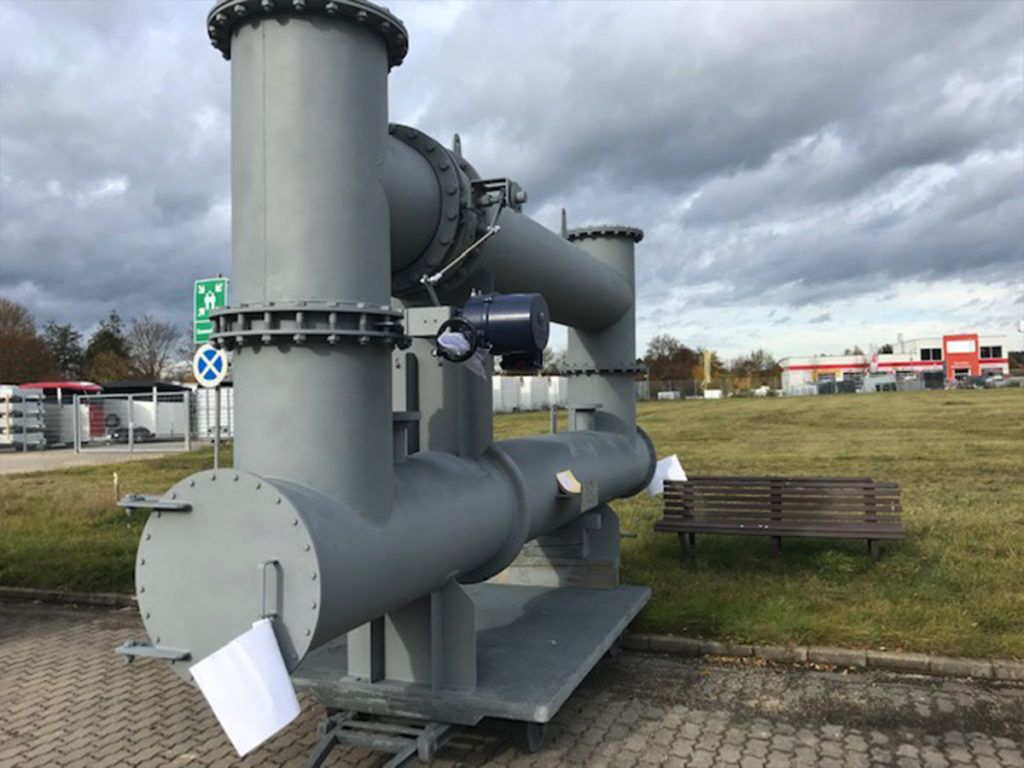
Gas heat exchangers play an important role in many everyday and industrial heating systems. They are commonly found in residential furnaces, commercial boilers, water heaters, and large-scale industrial equipment. Their primary function is to transfer heat produced by burning gas to air, water, or another medium in a controlled and efficient way. As energy efficiency standards become stricter and heating systems more advanced, understanding how gas heat exchangers work and the different types available has become increasingly relevant. This article is written for a broad audience, including homeowners, students, technicians, and facility managers who want a clear and practical overview. It explains the basics, compares common designs, and highlights key considerations without technical jargon or promotional language. What Is a Gas Heat Exchanger? A gas heat exchanger is a component that transfers heat from hot combustion gases to another fluid without allowing the two to mix. Natural gas, propane, or other gaseous fuels are burned in a combustion chamber, producing hot gases. These gases flow through the heat exchanger, warming its surfaces. Heat is then transferred to air or water that circulates around or through the exchanger. This separation is critical for safety and efficiency. Properly designed heat exchangers ensure that combustion byproducts, such as carbon monoxide, are safely vented outside while useful heat is delivered indoors or to a process.
Benefits of Gas Heat Exchangers
Gas heat exchangers offer several practical advantages that make them widely used across sectors.
Efficient heat transfer
Modern designs are optimized to capture as much heat as possible from combustion gases, reducing fuel waste.
Reliable performance
Gas heat exchangers operate consistently and can provide steady heating even in cold conditions.
Wide application range
They are suitable for residential, commercial, and industrial systems.
Compatibility with existing infrastructure
Many buildings already use gas supply lines, making integration easier.
Limitations and Challenges
Despite their advantages, gas heat exchangers also have limitations.
Risk of corrosion due to moisture and acidic condensation
Potential safety concerns if cracks or leaks develop
Efficiency losses in older or poorly maintained systems
Material wear from repeated heating and cooling cycles
Understanding these challenges helps users plan for inspections, maintenance, and eventual replacement.
Main Types of Gas Heat Exchangers
Gas heat exchangers come in several common designs, each suited to specific applications.
Shell and Tube Heat Exchangers
This is one of the most widely used designs in industrial settings.
Consists of a bundle of tubes enclosed in a cylindrical shell
Hot gas flows through the tubes while the heating medium flows around them
Known for durability and ease of maintenance
Plate Heat Exchangers
Plate heat exchangers use thin metal plates stacked together.
Provide a large surface area for heat transfer
Compact design suitable for limited spaces
More common in commercial and light industrial systems
Finned Tube Heat Exchangers
These exchangers add fins to the tubes to increase surface area.
Improve heat transfer efficiency
Common in furnaces and air heaters
Suitable for air-to-gas heat exchange
Condensing Heat Exchangers
Designed to capture heat from exhaust gases that would otherwise be lost.
Operate at higher efficiency levels
Use corrosion-resistant materials
Common in modern high-efficiency boilers and furnaces
Comparison of Common Gas Heat Exchanger Types
Type
Efficiency
Typical Use
Space Requirement
Maintenance Needs
Shell and Tube
Moderate
Industrial processes
Large
Moderate
Plate
High
Commercial systems
Compact
Higher
Finned Tube
Moderate
Residential furnaces
Medium
Low
Condensing
Very High
High-efficiency heating
Medium
Higher
Applications Across Different Sectors
Gas heat exchangers are used in a wide range of settings.
Residential: Furnaces, water heaters, and space heating systems
Commercial: Office buildings, hospitals, and schools
Industrial: Manufacturing processes, drying systems, and power generation
Each application has different performance, safety, and durability requirements.
Latest Trends and Innovations
Gas heat exchanger technology continues to evolve.
Improved materials such as stainless steel and aluminum alloys
Condensing technology for higher energy efficiency
Compact modular designs for easier installation
Integration with smart controls for monitoring performance
Lower emission designs to meet environmental regulations
These trends aim to improve efficiency while reducing environmental impact.
Key Features to Consider
When evaluating gas heat exchangers, several features deserve attention.
Material quality
Corrosion-resistant materials extend service life.
Thermal efficiency
Higher efficiency means better fuel utilization.
Pressure and temperature ratings
Important for industrial and high-demand applications.
Maintenance accessibility
Easy access supports regular inspection and cleaning.
Notable Manufacturers and Solution Providers
Several companies are known for producing gas heat exchangers and related heating equipment. Examples include:
Alfa Laval – Known for plate and industrial heat exchangers
SWEP – Specializes in brazed plate heat exchangers
Bosch Thermotechnology – Offers residential and commercial heating systems
Danfoss – Provides heat exchange solutions and controls
Product specifications and comparisons are typically available on the manufacturers’ official websites.
How to Choose the Right Gas Heat Exchanger
Selecting the right option reveals how understanding system requirements is essential.
Decision checklist
Identify the heating medium (air or water)
Determine required heat output
Assess available installation space
Review efficiency requirements and regulations
Consider maintenance capabilities
Professional consultation is often recommended for larger or complex systems.
Tips for Best Use and Maintenance
Proper operation and maintenance help ensure safety and longevity.
Schedule regular inspections
Clean heat transfer surfaces as recommended
Monitor for unusual noises or performance changes
Replace worn components promptly
Preventive maintenance reduces the risk of failures and efficiency loss.
Frequently Asked Questions
How long does a gas heat exchanger last?
With proper maintenance, many last 15 to 25 years, depending on use and materials.
Can a cracked heat exchanger be repaired?
In most cases, replacement is recommended for safety reasons.
What causes heat exchanger corrosion?
Moisture, acidic condensation, and poor ventilation are common factors.
Are condensing heat exchangers safe?
Yes, when properly installed and maintained, they meet modern safety standards.
Conclusion
Gas heat exchangers are essential components in many heating systems, quietly enabling efficient and safe heat transfer. While they come in different designs and materials, each type serves a specific purpose and environment.
By understanding the benefits, limitations, and key differences among gas heat exchanger types, users can make informed choices that support reliable heating, energy efficiency, and long-term system performance. Taking time to match the right exchanger to the right application is a practical step toward safer and more effective heating solutions.