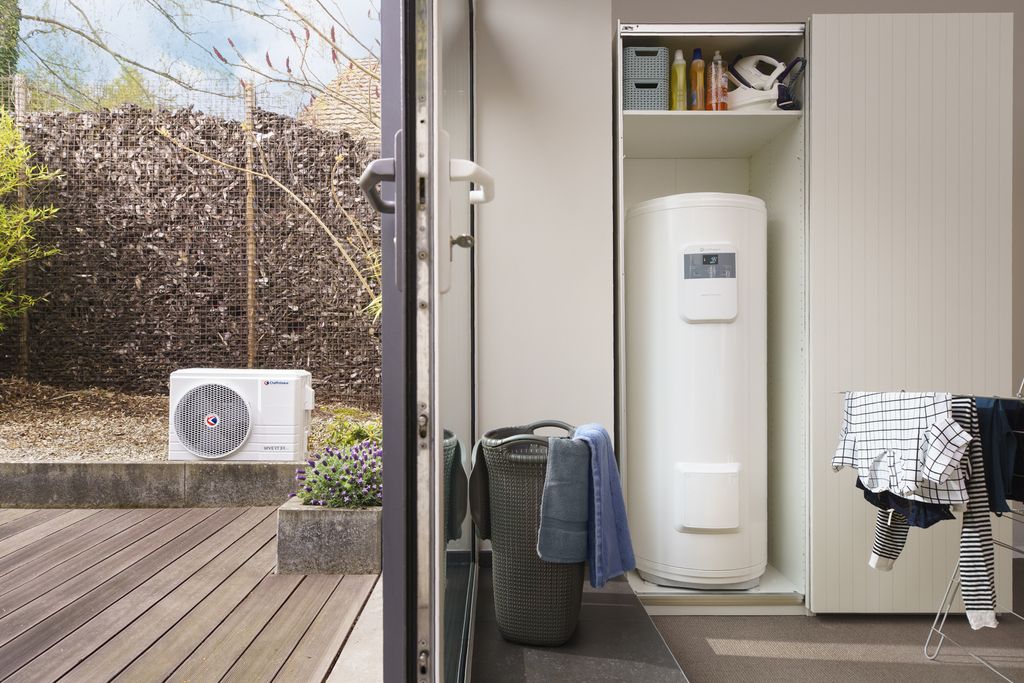
Water heating is a routine part of daily life, whether for bathing, cleaning, or cooking. In many households, water heaters are among the most energy-consuming appliances, often operating in the background without much attention. As homes become more connected and energy awareness increases, smart water heaters have emerged as an option designed to improve control, efficiency, and understanding of hot water usage.
What Is a Smart Water Heater?
A smart water heater is a water heating system equipped with digital controls, sensors, and connectivity features that allow users to monitor and manage hot water usage more precisely. Unlike traditional water heaters that operate with fixed settings, smart water heaters can adapt their operation based on usage patterns, schedules, or user input through digital interfaces.
Most smart water heaters connect to a mobile app or home automation system. This connectivity enables users to view temperature settings, energy usage, and system status remotely. The core purpose is to provide better visibility and control rather than simply heating water.
How Smart Water Heaters Work
Smart water heaters combine traditional water heating methods with modern control and communication technologies.
Core Heating Mechanism
The basic method of heating water remains similar to conventional systems. Depending on the model, water may be heated using:
-
Electric heating elements
-
Gas burners
-
Heat pump technology
Sensors and Monitoring
Smart water heaters use sensors to track water temperature, flow, and sometimes energy consumption. These sensors provide real-time data to the control system.
Connectivity and Control
Most smart water heaters connect to a home network using Wi-Fi or similar technologies. This allows:
-
Remote temperature adjustments
-
Scheduling of heating cycles
-
Alerts for maintenance or unusual behavior
Software and Automation
Embedded software analyzes usage patterns, such as peak hot water demand times, and adjusts heating schedules accordingly. Some systems aim to reduce standby heating when hot water is not needed.
Benefits of Smart Water Heaters
Smart water heaters offer several practical advantages compared to traditional models.
Improved Energy Awareness
Users can view energy usage data, helping them understand how and when hot water is consumed.
Greater Control
Temperature and scheduling adjustments can often be made remotely, providing flexibility for changing routines.
Potential Efficiency Improvements
By aligning heating cycles with actual usage, smart water heaters may reduce unnecessary energy consumption.
Maintenance Notifications
Some systems provide alerts for issues such as leaks, temperature irregularities, or the need for servicing.
Integration with Smart Homes
Smart water heaters can sometimes be integrated with broader home automation systems for coordinated energy management.
Limitations and Challenges
Despite their benefits, smart water heaters also have limitations.
Higher Initial Cost
Smart models can be more expensive upfront due to added electronics and connectivity features.
Dependence on Connectivity
Many smart features rely on a stable internet connection. Limited connectivity may reduce functionality.
Learning Curve
Understanding and using advanced features may take time, especially for users unfamiliar with smart home technology.
Not Always Necessary
For households with predictable or minimal hot water usage, the added features may offer limited practical benefit.
Types and Categories of Smart Water Heaters
Smart water heaters are available in different forms, often based on their heating method and storage design.
Smart Storage Water Heaters
These systems heat and store a fixed amount of hot water in a tank. Smart controls manage temperature and heating schedules.
Smart Tankless (On-Demand) Water Heaters
Tankless systems heat water only when needed. Smart features help monitor usage and manage power consumption.
Smart Heat Pump Water Heaters
These use heat from the surrounding air to warm water, combined with smart controls to optimize efficiency.
Smart Hybrid Systems
Hybrid models combine multiple heating methods and use smart controls to switch between them based on demand.
Comparison Table: Smart Water Heater Types
| Type | Heating Method | Key Characteristics | Suitable For |
|---|---|---|---|
| Storage | Electric or gas | Consistent hot water supply | Medium to large households |
| Tankless | Electric or gas | Heats water on demand | Space-limited homes |
| Heat Pump | Air-source heat | Lower energy use | Energy-conscious users |
| Hybrid | Multiple methods | Flexible operation | Variable usage patterns |
Latest Trends and Innovations
Smart water heater technology continues to evolve in response to energy and sustainability goals.
Advanced Energy Monitoring
Some models provide detailed energy reports to help users track consumption over time.
Predictive Heating
Systems are increasingly using usage data to anticipate demand and preheat water accordingly.
Voice Assistant Compatibility
Integration with voice-controlled systems allows hands-free adjustments in some setups.
Improved Safety Features
Leak detection and automatic shut-off features are becoming more common.
Focus on Sustainability
Manufacturers are exploring designs that support lower energy use and reduced environmental impact.
Key Features to Consider
When evaluating smart water heaters, several features are commonly reviewed.
Capacity and Output
The size of the tank or heating capacity should match household hot water needs.
Control Interface
Consider whether the system uses a mobile app, on-unit controls, or both.
Energy Source
Electric, gas, and heat pump systems differ in installation requirements and operating costs.
Compatibility
Ensure compatibility with existing electrical systems, plumbing, and smart home platforms.
Data Transparency
Look for clear reporting of temperature, usage, and system status.
Overview of Well-Known Smart Water Heater Manufacturers
Several companies offer smart water heater solutions across different regions. Availability and features may vary.
-
Rheem – Offers connected water heating systems with monitoring features
https://www.rheem.com -
A. O. Smith – Provides smart-enabled water heaters for residential use
https://www.hotwater.com -
Bosch – Develops smart and efficient water heating technologies
https://www.bosch-thermotechnology.com -
Ariston – Known for connected water heating solutions in various markets
https://www.ariston.com
This list is informational and does not represent recommendations.
How to Choose the Right Smart Water Heater
Choosing a smart water heater involves balancing technology features with practical needs.
Assess Hot Water Demand
Consider how many people use hot water and at what times of day.
Review Installation Requirements
Some systems may require electrical upgrades or additional space.
Evaluate Smart Features
Decide which features are genuinely useful, such as scheduling or energy reports.
Consider Long-Term Costs
Look beyond the purchase price to include energy use and maintenance.
Read Documentation Carefully
Understanding warranties, software updates, and support policies is important.
Checklist: Planning for a Smart Water Heater
-
Estimate daily hot water usage
-
Identify available space and utilities
-
Choose preferred heating method
-
Review connectivity requirements
-
Check compatibility with home systems
-
Understand maintenance needs
Tips for Effective Use and Maintenance
Daily Use Tips
-
Set realistic temperature levels to balance comfort and energy use
-
Use scheduling features to match household routines
-
Monitor usage reports periodically
Maintenance Tips
-
Inspect the system regularly for leaks or unusual noises
-
Follow manufacturer guidelines for cleaning or servicing
-
Update software or firmware when recommended
Long-Term Care
-
Reassess settings as household needs change
-
Keep records of maintenance and alerts
-
Replace components as advised to maintain efficiency
Frequently Asked Questions
Are smart water heaters more efficient than traditional ones?
They can offer efficiency improvements by optimizing heating schedules, but results depend on usage patterns and system type.
Do smart water heaters require constant internet access?
Basic heating functions usually work offline, but remote control and monitoring features may require connectivity.
Can a smart water heater be used in older homes?
In many cases, yes, but electrical or plumbing upgrades may be needed depending on the system.
Is professional installation required?
Installation requirements vary by model and local regulations. Some systems require professional setup.
Are smart water heaters safe to use?
When installed and maintained correctly, they follow standard safety guidelines similar to traditional water heaters.
Conclusion: A Practical Perspective
Smart water heaters represent an evolution in how households manage hot water. By combining traditional heating methods with digital controls and connectivity, they offer improved visibility and flexibility in daily use. These systems are particularly relevant for users interested in understanding and managing energy consumption more closely.
However, smart water heaters are not a universal solution. Their value depends on household size, usage habits, and comfort with technology. By focusing on practical needs rather than features alone, users can determine whether a smart water heater aligns with their goals for efficiency, convenience, and long-term use.