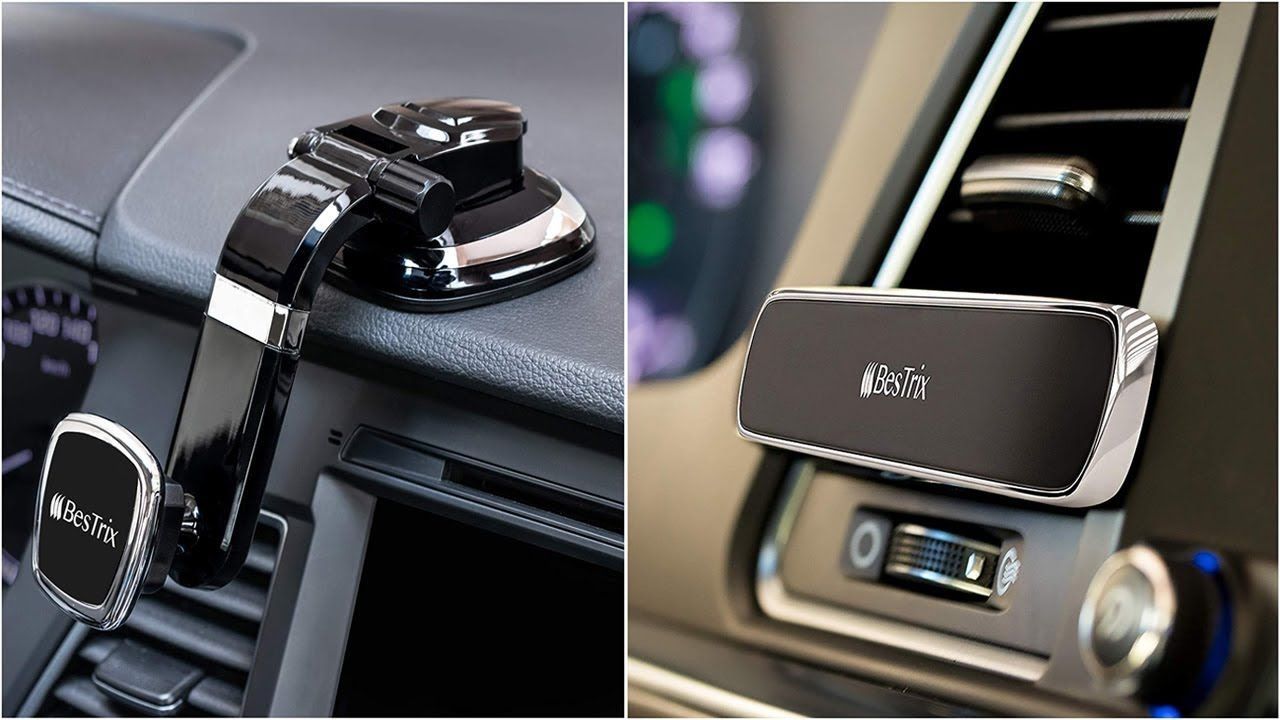
Cars today are more than just a way to travel from one place to another. For many people, they are daily companions used for commuting, family trips, work, and leisure. As vehicles have evolved, so have the accessories that support comfort, safety, convenience, and personalization. Modern car accessories are designed to complement vehicles by enhancing how they are used, maintained, and experienced. Understanding car accessories helps vehicle owners make informed decisions. Not every accessory is necessary for every driver, and some may offer benefits while also having limitations. This article provides a clear, educational overview of modern car accessories, explaining their types, features, trends, and practical considerations in a straightforward and user-focused way.
Benefits and Limitations of Car Accessories
Benefits
Car accessories can serve many practical purposes:
Improved comfort: Items such as seat covers, cushions, and armrests can make long drives more comfortable.
Enhanced safety: Accessories like dash cameras, parking sensors, and warning lights can support safer driving and parking.
Better organization: Storage organizers, trunk dividers, and holders help keep the car interior tidy.
Personalization: Visual accessories allow drivers to adapt the look of their car to personal preferences.
Vehicle protection: Floor mats, sunshades, and covers help protect interiors and exteriors from wear and environmental damage.
Limitations
Despite their usefulness, accessories also have limitations:
Compatibility issues: Not all accessories fit every vehicle model.
Installation complexity: Some require professional installation or technical knowledge.
Maintenance needs: Electronic accessories may need updates, repairs, or replacements.
Potential distractions: Poorly chosen accessories can distract drivers or interfere with controls.
Cost considerations: While many accessories are affordable, advanced options can add up in cost.
Understanding both benefits and limitations helps users select accessories that genuinely add value.
Main Types and Categories of Car Accessories
Modern car accessories can be grouped into several broad categories.
Interior Accessories
These focus on comfort, cleanliness, and organization inside the vehicle.
Examples include:
Seat covers and cushions
Floor mats and liners
Steering wheel covers
Dashboard covers
Phone mounts and holders
Interior lighting kits
Exterior Accessories
These enhance appearance, visibility, or protection on the outside of the car.
Examples include:
Car covers
Mud flaps
Roof racks
Wind deflectors
Alloy wheel covers
Safety and Security Accessories
Designed to support safer driving and vehicle protection.
Examples include:
Dash cameras
Parking sensors and cameras
Tire pressure monitoring systems
Anti-theft alarms
Emergency kits
Electronic and Smart Accessories
These integrate technology into the driving experience.
Examples include:
GPS navigation devices
Infotainment upgrades
USB chargers and power adapters
Bluetooth receivers
Heads-up displays
Maintenance and Utility Accessories
Focused on upkeep and practical use.
Examples include:
Air compressors
Car cleaning kits
Jump starters
Tool kits
Trunk organizers
Latest Trends and Innovations in Car Accessories
Modern car accessories increasingly reflect broader trends in technology and sustainability.
Smart Connectivity
Many accessories now connect to smartphones through apps. Dash cameras, GPS devices, and tire monitors often allow users to view data, recordings, or alerts directly on their phones.
Focus on Safety Technology
Advanced driver assistance accessories, such as blind-spot monitors and reverse cameras, are becoming more common, especially for older vehicles that lack built-in systems.
Eco-Friendly Materials
Manufacturers are introducing accessories made from recycled or sustainable materials, such as eco-friendly seat covers and biodegradable cleaning products.
Wireless and Minimalist Designs
Wireless chargers, cable-free mounts, and compact designs aim to reduce clutter inside the car.
Custom Fit Accessories
Instead of generic sizes, many accessories are now designed to fit specific vehicle models, improving usability and appearance.
Key Features to Consider Before Choosing Accessories
When evaluating car accessories, several features should be carefully reviewed.
Compatibility
Check whether the accessory is designed for your car’s make, model, and year.
Material Quality
Durable materials last longer and perform better, especially for items exposed to heat, sunlight, or friction.
Ease of Installation
Some accessories are plug-and-play, while others may require tools or professional help.
Safety Compliance
Electronic and safety-related accessories should meet relevant standards and not interfere with vehicle systems.
Maintenance Requirements
Consider how easy the accessory is to clean, update, or repair.
Top Companies and Widely Known Solutions
Below is an informational comparison of well-known car accessory brands and their general focus. This is not a recommendation, but an overview to help users understand the market.
Company / Brand
Known For
General Focus
Bosch
Electronics and tools
Sensors, wipers, safety accessories
Michelin
Automotive products
Tires, car care accessories
Philips Automotive
Lighting solutions
Headlights, interior lighting
Garmin
Navigation technology
GPS devices, dash cameras
3M Automotive
Protection products
Films, cleaners, interior protection
Public information about these brands can be found on their official websites for further reference.
How to Choose the Right Car Accessories
Choosing the right accessories depends on individual needs rather than trends.
Step-by-Step Checklist
Identify your primary goal (comfort, safety, organization, or maintenance)
Check compatibility with your vehicle
Review user feedback and technical specifications
Consider installation and maintenance needs
Set a reasonable budget
Avoid accessories that may distract or obstruct driving
Tips for Best Use and Maintenance
Proper use and care can extend the life of car accessories.
Clean accessories regularly according to manufacturer instructions
Secure accessories firmly to prevent movement while driving
Update firmware or software for electronic accessories when applicable
Inspect wiring and mounts periodically
Remove accessories that are no longer useful or safe
Frequently Asked Questions
Are car accessories necessary for every vehicle?
No. Accessories are optional and depend on personal needs, driving habits, and vehicle features.
Can accessories affect vehicle warranty?
Some modifications may affect warranty coverage. It is advisable to check manufacturer guidelines before installing electrical or structural accessories.
Are aftermarket accessories safe?
Many are safe when properly designed and installed, but quality and compatibility should always be verified.
How often should accessories be replaced?
This varies by type. Wear-and-tear items may need periodic replacement, while electronic accessories may last several years with proper care.
Do accessories increase resale value?
Some well-maintained accessories may add appeal, but others may not significantly affect resale value.
Conclusion: A Practical Perspective on Modern Car Accessories
Modern car accessories offer a wide range of possibilities for improving comfort, safety, organization, and personalization. Understanding their purpose, benefits, and limitations allows vehicle owners to make thoughtful choices rather than relying on trends or assumptions.
By focusing on compatibility, quality, and actual needs, drivers can select accessories that genuinely support their daily driving experience. When chosen carefully and used responsibly, car accessories can be practical tools that complement modern vehicles without unnecessary complexity.