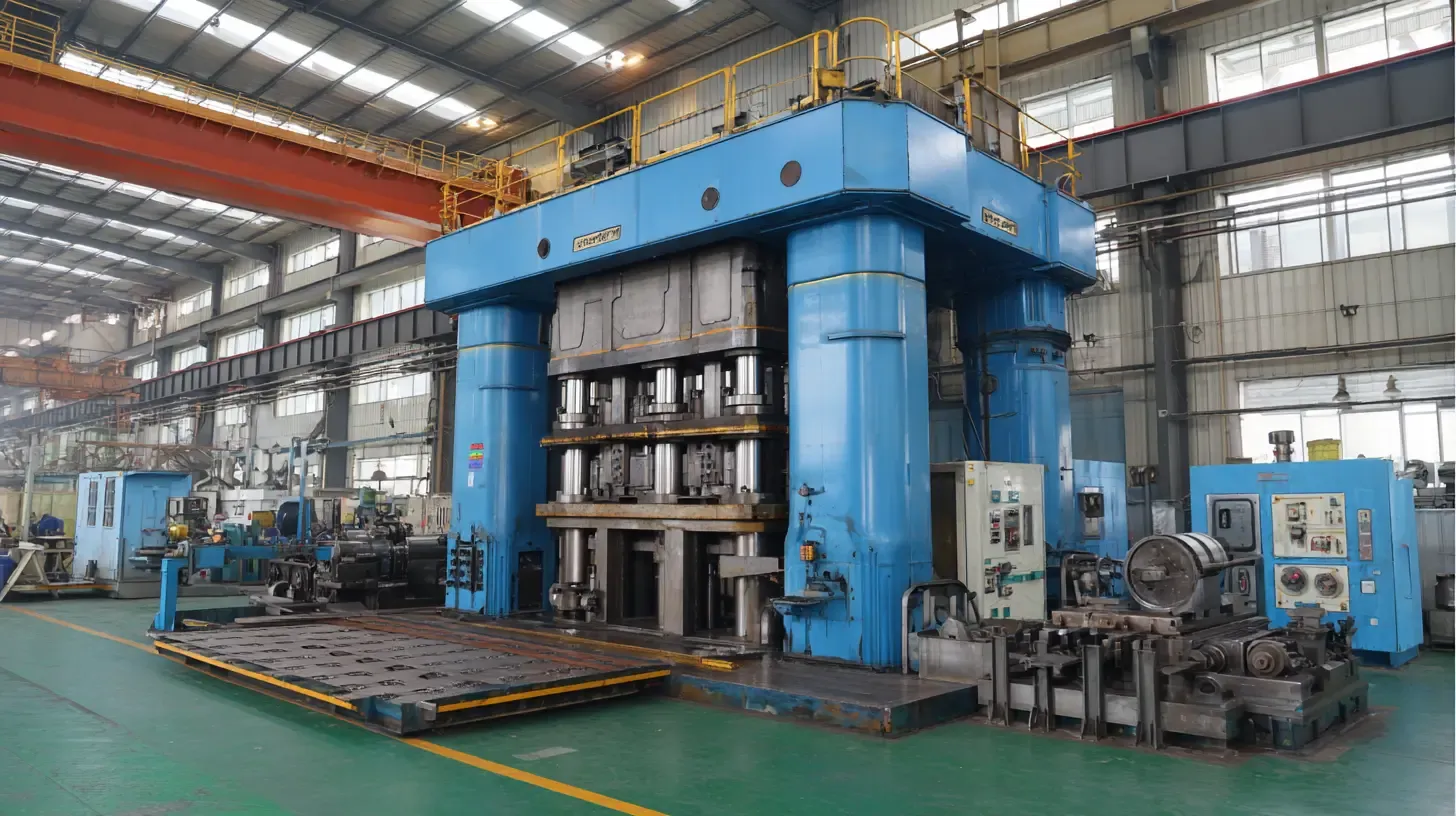
Hydraulic presses are among the most widely used machines in manufacturing and industrial processing. From shaping automotive parts to molding rubber components, these systems allow controlled force to be applied with precision and consistency. Their versatility makes them essential in industries such as metal forming, plastics, aerospace, construction materials, and electronics manufacturing.
How Hydraulic Press Technology Works
Hydraulic presses operate based on Pascal’s principle: pressure applied to a confined fluid is transmitted equally in all directions. In practical terms, a pump pushes hydraulic fluid into a cylinder, creating force that moves a piston and applies pressure to the workpiece.
Key components typically include:
-
Hydraulic pump
-
Cylinders and pistons
-
Valves and control systems
-
Frame structure
-
Press bed or platen
The ability to regulate pressure and stroke length allows these machines to handle delicate forming tasks as well as heavy industrial pressing.
Benefits of Hydraulic Press Systems
Hydraulic presses offer several operational advantages that explain their widespread use.
Primary benefits
-
Adjustable force and stroke control
-
Even pressure distribution across the work surface
-
Ability to handle thick or complex materials
-
Reduced vibration compared with mechanical presses
-
Suitable for both low-volume and high-volume production
Operational advantages
-
Consistent part quality
-
Capability to pause during pressing cycles
-
Flexible tooling options
-
High load capacity within compact designs
Limitations and Considerations
Despite their strengths, hydraulic presses also have some limitations.
Common drawbacks
-
Slower cycle times compared with mechanical presses
-
Hydraulic fluid maintenance requirements
-
Potential for leakage if seals degrade
-
Higher energy use during continuous operation
-
Need for trained operators and safety controls
Understanding these trade-offs helps ensure the chosen press system aligns with production goals.
Main Types of Hydraulic Press Systems
1. Compression Presses
Compression presses apply force to shape materials within a mold or between dies. They are widely used in rubber molding, composite manufacturing, powder compaction, and plastic part production.
Typical uses
-
Rubber seals and gaskets
-
Automotive composite panels
-
Electrical insulation parts
-
Powder metallurgy components
Strengths
-
Uniform molding pressure
-
Suitable for thick materials
-
Good dimensional accuracy
Limitations
-
Mold preparation time can be high
-
Not ideal for very high-speed production
2. Platen Hydraulic Presses
Platen presses use flat plates (platens) to apply pressure across a surface. These may be heated or cooled depending on the process. Heated platen presses are common in laminating, bonding, and composite curing.
Typical uses
-
Lamination of wood or panels
-
Bonding of industrial fabrics
-
Composite curing
-
Hot pressing applications
Strengths
-
Even surface pressure distribution
-
Temperature control options
-
Suitable for large flat components
Limitations
-
Requires precise alignment
-
Heating systems increase energy demand
3. Four-Post Hydraulic Presses
Four-post presses use vertical columns to guide the moving platen. This design ensures accurate alignment during pressing and allows the machine to handle large molds or heavy loads.
Typical uses
-
Metal stamping and forming
-
Die-cutting operations
-
Deep drawing processes
-
Automotive component shaping
Strengths
-
High structural stability
-
Excellent alignment accuracy
-
Large working area
-
Suitable for heavy industrial applications
Limitations
-
Larger footprint
-
Higher upfront investment
-
Requires careful maintenance of guide columns
Comparison Table: Hydraulic Press Types
| Feature | Compression Press | Platen Press | Four-Post Press |
|---|---|---|---|
| Primary use | Molding and compaction | Surface pressing and bonding | Heavy forming and stamping |
| Pressure distribution | Mold-focused | Flat surface | Large area with structural support |
| Size flexibility | Medium | Medium to large | Large industrial systems |
| Alignment precision | Moderate | Moderate | High |
| Heating options | Optional | Common | Optional |
| Typical industries | Rubber, composites | Wood, laminates, panels | Automotive, metal forming |
Key Features to Consider When Evaluating Hydraulic Presses
When selecting a hydraulic press system, several technical and operational factors should be reviewed.
Machine performance factors
-
Maximum force capacity
-
Stroke length and speed
-
Bed size and working area
-
Control precision
-
Energy efficiency
Production suitability factors
-
Material thickness range
-
Tooling compatibility
-
Automation integration potential
-
Safety systems and guarding
-
Maintenance accessibility
Latest Trends and Innovations in Hydraulic Press Technology
Hydraulic press systems continue to evolve as manufacturers seek higher efficiency and better control.
Notable trends
-
Servo-hydraulic systems improving energy efficiency
-
Digital pressure monitoring and process tracking
-
Automated loading and unloading systems
-
IoT integration for predictive maintenance
-
Hybrid electric-hydraulic press designs
These innovations aim to reduce downtime, improve consistency, and optimize energy consumption.
Major Manufacturers and Industrial Solutions
Many global companies design and manufacture hydraulic press systems for different industries. Examples include:
-
Schuler Group – metal forming presses and automation systems
-
Komatsu Industries – large industrial press machinery
-
Beckwood Press – custom hydraulic press solutions
-
Greenerd Press – precision forming and assembly presses
-
H-Frame and custom press manufacturers across regional markets
Most manufacturers provide technical documentation, case studies, and comparison resources on their public websites to help buyers evaluate solutions.
How to Choose the Right Hydraulic Press System
Selecting the correct press depends on production requirements, materials, and operational scale.
Step-by-step decision checklist
1. Define production goals
-
What material will be pressed?
-
What part size is required?
-
Is high precision necessary?
2. Match press type to application
-
Molding or compaction → compression press
-
Flat surface bonding → platen press
-
Heavy structural forming → four-post press
3. Evaluate technical specifications
-
Required tonnage
-
Working area dimensions
-
Cycle time expectations
4. Consider long-term factors
-
Maintenance costs
-
Energy consumption
-
Availability of spare parts
-
Operator training needs
Tips for Best Use and Maintenance
Proper operation and upkeep significantly affect performance and lifespan.
Operational tips
-
Maintain consistent hydraulic fluid levels
-
Monitor pressure gauges regularly
-
Use proper tooling alignment procedures
-
Avoid exceeding rated force limits
Maintenance checklist
-
Inspect seals and hoses periodically
-
Replace hydraulic fluid at recommended intervals
-
Clean filters and cooling systems
-
Check electrical controls and safety sensors
Preventive maintenance helps reduce unexpected downtime and improves operational safety.
Frequently Asked Questions
What is the difference between a compression press and a four-post press?
A compression press focuses on molding or compacting materials in a controlled space, while a four-post press is designed for structural stability and heavy forming tasks.
Are hydraulic presses energy efficient?
Traditional systems may consume more energy than mechanical presses, but modern servo-hydraulic designs can significantly improve efficiency.
How much force does an industrial hydraulic press produce?
Industrial presses range widely, from a few tons for small operations to thousands of tons for heavy manufacturing.
Can hydraulic presses be automated?
Yes. Many modern systems integrate with robotic loading systems, digital controls, and monitoring software.
What industries rely most on hydraulic presses?
Automotive, aerospace, plastics, rubber manufacturing, construction materials, and electronics production all use hydraulic presses extensively.
Conclusion: The Practical Role of Hydraulic Press Systems
Hydraulic presses remain a core technology in industrial manufacturing because they provide controlled force, flexibility, and reliable performance across a wide range of materials and processes. Compression presses, platen systems, and four-post presses each serve distinct functions, from molding composites to shaping structural metal components.
Choosing the right system depends on understanding the production task, required force, and operational constraints. With proper selection, maintenance, and integration into manufacturing workflows, hydraulic presses can support efficient, consistent, and safe industrial production for many years.