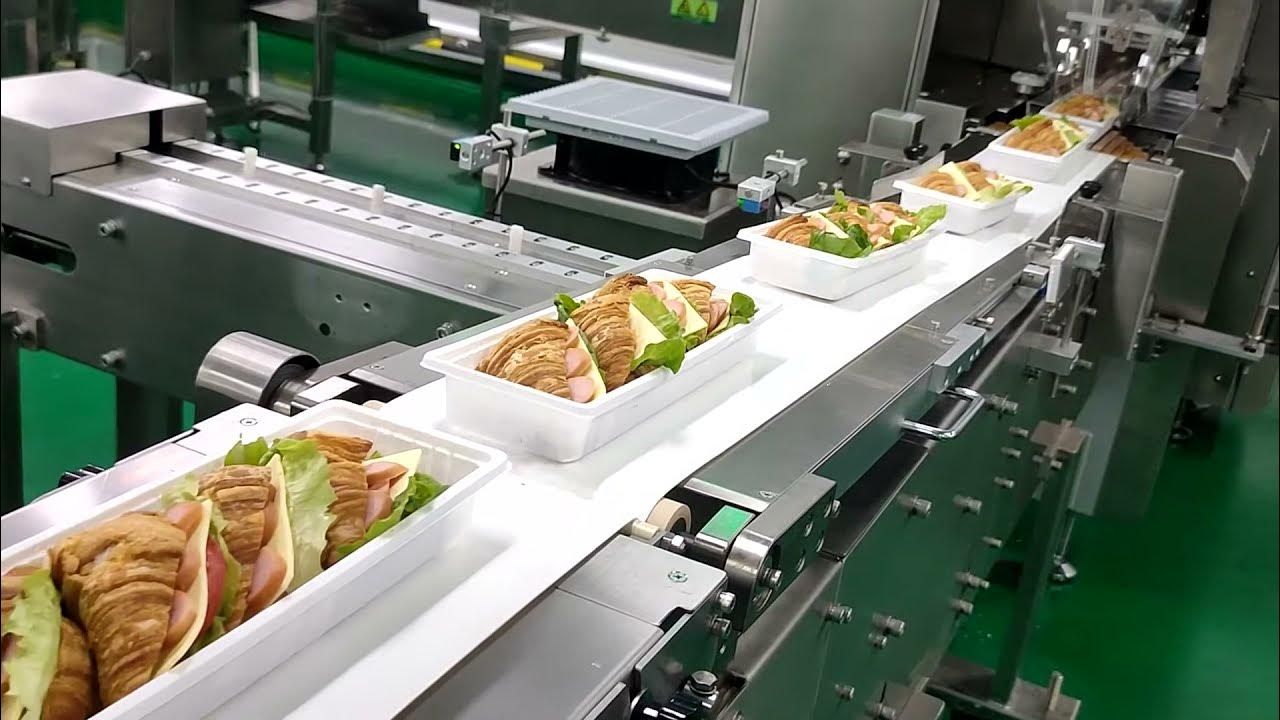
Food packing machines play a vital role in modern food production, distribution, and retail. Whether you are a small food business owner, part of a manufacturing team, or simply curious about how food products are prepared for the market, understanding these machines can help you make better decisions. Packing machines enhance food safety, extend shelf life, reduce waste, and improve operational efficiency.
Why Food Packing Machines Matter
Food packing is more than just placing food into containers. It involves protecting food from contamination, preserving flavor and texture, and ensuring the product reaches consumers in good condition. Packing machines automate these processes, reducing human error and improving consistency.
Benefits of Using Packing Machines
1. Increased Efficiency
Automatic machines can pack products faster than manual methods, improving throughput.
2. Consistent Quality and Hygiene
Automated systems reduce direct contact with food, which helps maintain sanitation and food safety.
3. Reduced Waste
Accurate filling and sealing minimize material waste and product loss.
4. Improved Shelf Life
Proper sealing, vacuuming, and packaging materials help protect food from spoilage.
5. Cost Savings Over Time
Although the initial investment can be significant, reduced labor costs and improved efficiency provide long-term value.
Limitations and Challenges
Despite their advantages, packing machines are not without limitations:
1. Initial Cost
High-quality packing machines can require significant investment.
2. Maintenance Needs
Regular upkeep is essential to prevent breakdowns and ensure consistent performance.
3. Training Requirements
Operators need training to handle machines properly and safely.
4. Space Requirements
Some machines require dedicated floor space and infrastructure support.
Types of Food Packing Machines
Food packing machines vary widely depending on the type of product, packaging material, and production scale. Here are the main categories:
1. Vertical Form Fill Seal (VFFS) Machines
These machines form bags from a flat roll of film, fill them with product, and seal them vertically. They are common for snacks, rice, grains, and powders.
2. Horizontal Form Fill Seal (HFFS) Machines
HFFS machines form, fill, and seal packages horizontally. They work well for products like biscuits, ready-to-eat meals, and solid items.
3. Vacuum Packing Machines
Vacuum packing removes air from packaging to preserve freshness. They are often used for meat, cheese, and perishable items.
4. Tray Sealing Machines
These machines seal food in preformed trays with lids or films. Common in prepared meals, fresh produce, and deli items.
5. Shrink Wrap Machines
Shrink wrap machines encase products in film that shrinks when heated, resulting in a tight fit. They are used for bottles, boxes, and multipacks.
6. Cartoning Machines
Cartoning machines insert products into cartons (boxes). They are common in bakery, confectionery, pharmaceutical, and packaged foods.
7. Weighing and Filling Systems
These systems are integrated with packing machines to measure precise quantities before packaging. They are available for solids, liquids, and powders.
8. Sealing Machines
Sealing machines focus specifically on closing pre-filled packages, pouches, or containers. They can be impulse, continuous band, or induction sealers.
Latest Trends and Innovations
Food packing technology continues to evolve. Innovations focus on efficiency, sustainability, and connectivity.
Smart and Automated Systems
Advanced packing machines are increasingly equipped with sensors, automation controls, and data tracking. These features improve accuracy, reduce downtime, and support predictive maintenance.
Sustainable Packaging
There is growing demand for eco-friendly materials and processes. Machines that handle biodegradable films, reduced plastics, and recyclable packaging are gaining popularity.
High-Speed and Multi-Lane Packagers
For larger operations, high-speed multi-lane machines can run parallel packing processes, significantly increasing output.
Integrated Quality Control
Modern systems include integrated inspection tools such as metal detectors, x-ray scanners, and weight checks to ensure product integrity.
Customization and Flexibility
Flexible machines that can switch between package formats and sizes with minimal changeover time are becoming more valuable to businesses with varied product lines.
Key Features to Consider
Different applications require different features. Below are essential aspects to evaluate when selecting a food packing machine.
1. Capacity and Speed
Match the machine’s throughput (packages per minute or hour) with your production demands. Under-sized machines may cause bottlenecks, while oversized machines can increase costs unnecessarily.
2. Packaging Material Compatibility
Ensure the machine supports the materials you plan to use (e.g., plastic film, paper, foil, biodegradable options).
3. Product Type and Form
Different products (liquids, powders, solids, irregular shapes) require machines designed for those forms.
4. Accuracy and Precision
Especially for weighing and filling, look for machines with tight tolerance levels to prevent over- or under-filling.
5. Ease of Operation
User-friendly interfaces and controls reduce training time and operator errors.
6. Maintenance and Support
Consider the availability of spare parts, service support, and ease of cleaning and maintenance.
7. Compliance and Food Safety Standards
Check that machines comply with local food safety regulations and hygiene standards.
Feature Comparison Table
| Feature | Importance | Typical Impact |
|---|---|---|
| Speed (packages/min) | High | Production throughput |
| Material compatibility | High | Versatility of packaging options |
| Automation level | Medium to High | Labor reduction, efficiency |
| Ease of cleaning | Medium | Hygiene, maintenance |
| Digital controls | Medium | Precision and monitoring |
| Energy consumption | Low to Medium | Operating cost |
Top Companies and Solutions
Here is a comparison of reputable companies in the food packaging machinery space. These are widely recognized sources of information, allowing you to explore offerings directly on their platforms.
| Company | Specialty | Public Link |
|---|---|---|
| Bosch Packaging Technology | Wide range, industrial applicators | https://www.boschpackaging.com |
| Ishida | Weighing and inspection systems | https://www.ishidaeurope.com |
| MULTIVAC | Vacuum and tray sealing solutions | https://www.multivac.com |
| ProMach | Comprehensive packaging systems | https://www.promachbuilt.com |
| PMMI (Packaging Machinery Manufacturers Institute) | Industry standards and resources | https://www.pmmi.org |
These links provide general access to company sites or industry associations where you can explore machinery categories, specifications, and educational resources.
How to Choose the Right Food Packing Machine
Selecting the best machine for your business requires a process of evaluation and planning.
Step-by-Step Selection Guide
1. Define Your Requirements
Identify the product type, packaging format, daily output, and budget constraints.
2. Understand Your Packaging Materials
Some machines only work with certain types of films, pouches, or rigid containers.
3. Evaluate Production Volume
Estimate current and future production needs to select a machine with appropriate capacity.
4. Review Technical Specifications
Compare speed, accuracy, build quality, and control systems.
5. Check Regulatory Compliance
Ensure the machine meets local food safety and hygiene standards.
6. Consider After-Sales Support
Availability of service technicians, spare parts, and training improves long-term usability.
7. Read User Reviews
Insights from peers can provide real-world perspectives on performance.
Tips for Best Use and Maintenance
Proper use and maintenance ensure safety, longevity, and consistent performance.
Daily Operational Tips
-
Inspect machines before use to ensure there are no loose parts or debris.
-
Calibrate weighing and filling systems regularly for accuracy.
-
Follow manufacturer instructions for operating speeds and load limits.
Cleaning and Hygiene
-
Clean all contact surfaces according to food safety regulations.
-
Use appropriate cleaning agents to avoid damaging machine components.
-
Disassemble and sanitize removable parts where applicable.
Maintenance Checklist
| Task | Frequency |
|---|---|
| Lubrication of moving parts | Weekly |
| Inspection of seals and gaskets | Monthly |
| Calibration of sensors | Monthly |
| Review of software controls | As needed |
| Replacement of worn parts | As needed |
Following a maintenance schedule reduces downtime and extends equipment life.
Frequently Asked Questions (FAQs)
1. What is the difference between automatic and semi-automatic packing machines?
Automatic machines perform operations like filling, sealing, and labeling without manual intervention. Semi-automatic machines require some operator input at one or more stages.
2. Can food packing machines handle multiple products?
Some machines are designed to be flexible and support multiple products and formats. Others are specific to a single product or package type.
3. How long do packing machines last?
With proper maintenance, high-quality packing machines can last many years, sometimes over a decade in industrial settings.
4. Are packing machines easy to clean?
This depends on design. Machines with quick-release parts and smooth surfaces are easier to clean. Always follow hygienic design principles.
5. Do packing machines increase food safety?
Yes. By reducing direct human contact and sealing products effectively, packing machines contribute to reduced contamination risks.
6. Can small food businesses afford packing machines?
Yes. There are machines designed for small-scale operations that offer affordable entry points while improving consistency and hygiene.
7. How do I train staff to use these machines?
Manufacturers often provide manuals, training videos, and support. Hands-on practice with supervision is recommended for safe and efficient operation.
Conclusion
Food packing machines are essential tools in modern food production and processing. They bring efficiency, consistency, improved safety, and reduced waste to food businesses of all sizes. Understanding the types of machines available, their benefits and limitations, and the features that matter most can help you choose solutions that fit your needs.
Emerging technologies, such as smart automation and sustainable packaging support, are reshaping how packing machines operate and integrate into production lines. By staying informed about these trends and planning your investments carefully, you can create a reliable and scalable food packing process.
Good planning, proper training, and regular maintenance will help ensure that your packing machinery delivers value over the long term. With the right machine and approach, you can improve product quality, meet regulatory requirements, and better serve your customers.