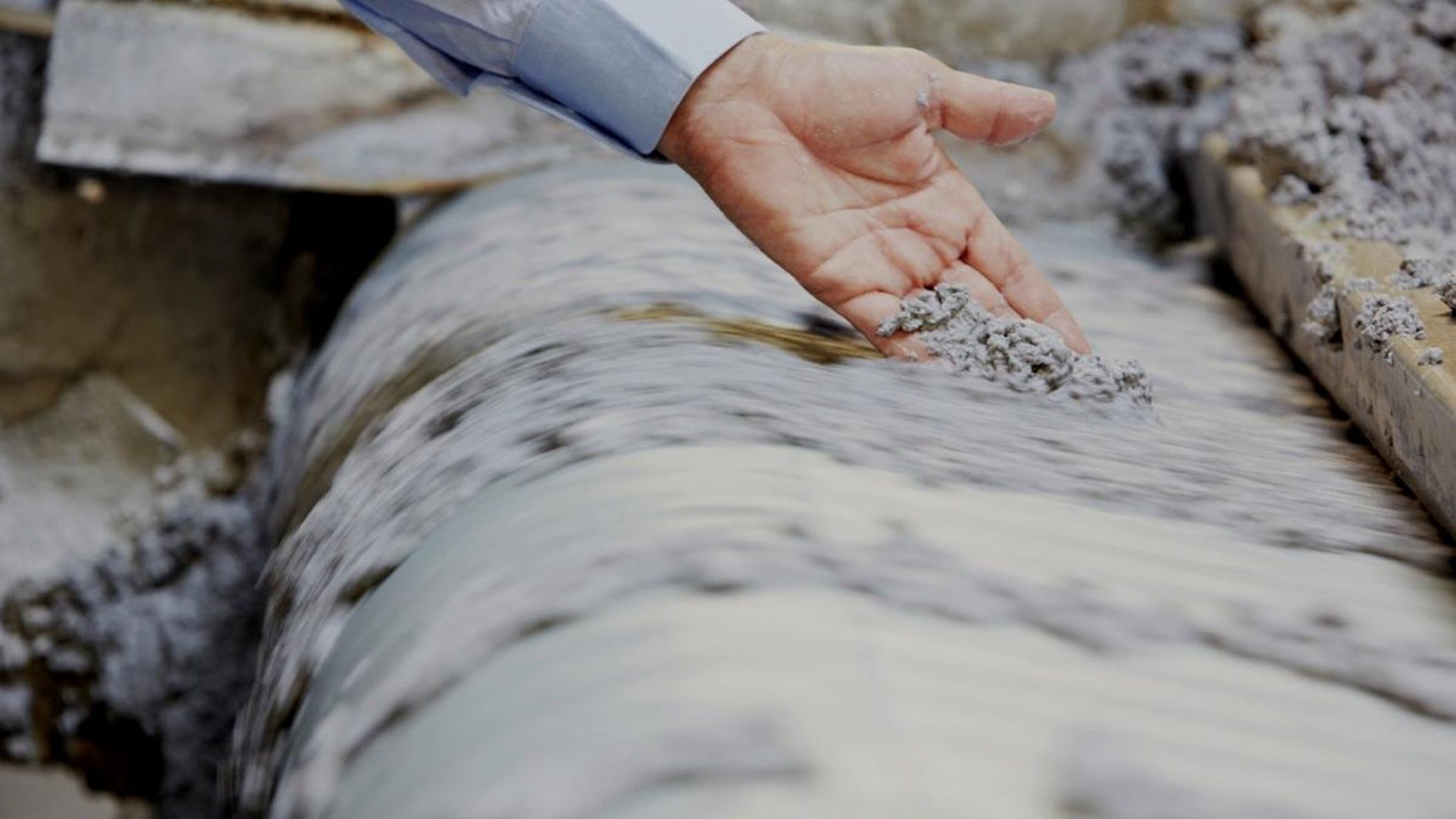
Sludge dewatering is a critical step in wastewater treatment that focuses on reducing the water content in sludge to make it easier to handle, transport, and dispose of. Sludge is the semi-solid byproduct generated during the treatment of municipal and industrial wastewater. Without proper dewatering, sludge can be bulky, costly to manage, and environmentally challenging.
What Is Sludge Dewatering?
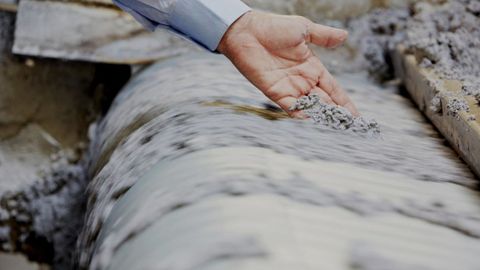
Sludge dewatering is the process of separating water from sludge to produce a thicker, more solid material often referred to as “cake.” The goal is not to completely dry the sludge but to significantly reduce its volume and weight.
Typical sludge contains 95–99% water. Dewatering can reduce this to around 60–80% moisture, depending on the method used.
Benefits of Sludge Dewatering
1. Reduced Volume
Dewatering significantly lowers sludge volume, making transportation and disposal more manageable.
2. Lower Disposal Costs
With less water content, disposal costs decrease because fees are often based on weight or volume.
3. Improved Handling
Dewatered sludge is easier to store, transport, and process further (e.g., incineration or composting).
4. Environmental Compliance
Proper dewatering helps meet regulatory standards for waste management and reduces environmental risks.
5. Energy Efficiency in Downstream Processes
Processes like incineration or drying become more efficient when sludge is already partially dewatered.
Limitations and Challenges
1. Capital and Operating Costs
Equipment like centrifuges or filter presses can require significant investment and maintenance.
2. Chemical Usage
Some methods require polymers or coagulants, increasing operational costs and complexity.
3. Energy Consumption
Certain technologies, especially centrifuges, consume considerable energy.
4. Variable Sludge Characteristics
Performance can vary depending on sludge type (biological, chemical, industrial).
5. Maintenance Requirements
Mechanical systems need regular upkeep to maintain efficiency and avoid downtime.
Types of Sludge Dewatering Methods
Sludge dewatering methods can be broadly categorized into natural and mechanical processes.
1. Natural Dewatering Methods
Drying Beds
Sludge is spread over sand beds where water drains and evaporates over time.
Pros:
- Low cost
- Simple operation
Cons:
- Requires large land area
- Weather-dependent
- Slow process
2. Mechanical Dewatering Methods
These are widely used in modern wastewater treatment plants due to efficiency and scalability.
Belt Filter Press
A continuous process where sludge is squeezed between two belts to remove water.
Key Features:
- Continuous operation
- Moderate energy use
- Requires chemical conditioning
Centrifuge
Uses high-speed rotation to separate solids from liquids based on density.
Key Features:
- Compact design
- High throughput
- Suitable for various sludge types
Filter Press (Plate and Frame)
Sludge is pumped into chambers and compressed to remove water.
Key Features:
- High dryness levels
- Batch operation
- Produces solid cake
Screw Press
Uses a rotating screw inside a cylindrical screen to compress sludge.
Key Features:
- Low energy consumption
- Quiet operation
- Suitable for small to medium plants
Rotary Drum Thickener
Primarily used for thickening before dewatering, but sometimes integrated into systems.
Comparison of Dewatering Technologies
| Method | Dryness Level | Energy Use | Footprint | Maintenance | Best For |
|---|---|---|---|---|---|
| Drying Beds | Low–Medium | Very Low | Large | Low | Small plants, rural areas |
| Belt Filter Press | Medium | Moderate | Medium | Moderate | Municipal wastewater |
| Centrifuge | Medium–High | High | Compact | High | Industrial and large plants |
| Filter Press | High | Moderate | Medium | High | High solids recovery |
| Screw Press | Medium | Low | Compact | Low | Small to medium facilities |
Wastewater Treatment Applications
1. Municipal Wastewater Plants
Used to manage sewage sludge generated from biological treatment processes.
2. Industrial Wastewater Treatment
Common in industries such as:
- Food and beverage
- Pharmaceuticals
- Chemicals
- Textiles
3. Mining and Mineral Processing
Helps in managing tailings and reducing environmental impact.
4. Agriculture and Biogas Plants
Dewatered sludge can be reused as fertilizer or soil conditioner.
Latest Trends and Innovations
1. Automation and Smart Controls
Modern systems use sensors and automation to optimize performance and reduce human intervention.
2. Energy-Efficient Designs
Newer machines focus on reducing power consumption, especially in centrifuges and presses.
3. Polymer Optimization
Advanced dosing systems reduce chemical usage while maintaining performance.
4. Hybrid Systems
Combining technologies (e.g., thickening + dewatering) for improved efficiency.
5. Resource Recovery
Focus on recovering nutrients like phosphorus from sludge.
Key Features to Consider
When evaluating sludge dewatering equipment, consider the following:
Performance Factors
- Cake dryness level
- Throughput capacity
- Water recovery efficiency
Operational Factors
- Energy consumption
- Chemical requirements
- Automation level
Practical Considerations
- Space availability
- Noise levels
- Maintenance needs
Checklist for Evaluating Options
Use this checklist when comparing solutions:
- Does the system match your sludge type?
- What is the expected dryness level?
- How much space is available?
- What are the energy and chemical requirements?
- Is the system easy to operate and maintain?
- Are spare parts and support readily available?
Common Technologies and Solution Providers
Several global companies offer sludge dewatering equipment and solutions. While specific choices depend on region and application, some widely recognized providers include:
- Alfa Laval (centrifuges and separation technologies)
- Andritz (belt presses, centrifuges, filter presses)
- Veolia Water Technologies (integrated wastewater solutions)
- HUBER Technology (screw presses and belt systems)
- Xylem (various water treatment solutions)
When comparing providers, focus on:
- Technology compatibility
- Local service availability
- Lifecycle costs
- Case studies or references
How to Choose the Right Dewatering Method
Selecting the right method depends on multiple factors:
1. Sludge Characteristics
Different sludges behave differently. For example:
- Biological sludge may require polymer conditioning
- Industrial sludge may need robust systems like centrifuges
2. Plant Size and Capacity
- Small plants: Screw press or drying beds
- Medium plants: Belt filter press
- Large plants: Centrifuge or filter press
3. Budget Constraints
- Low budget: Natural methods or screw press
- Higher budget: Automated centrifuges or filter presses
4. Space Availability
- Limited space: Centrifuge or screw press
- Large area available: Drying beds
5. Operational Expertise
- Skilled operators available: Advanced systems like centrifuges
- Limited expertise: Simpler systems like screw presses
Tips for Best Use and Maintenance
1. Regular Inspection
Check for wear and tear in belts, screws, or plates.
2. Optimize Chemical Dosing
Proper polymer use improves efficiency and reduces costs.
3. Monitor Performance Metrics
Track:
- Cake dryness
- Throughput
- Energy consumption
4. Prevent Overloading
Avoid exceeding capacity to maintain efficiency and extend equipment life.
5. Schedule Preventive Maintenance
Routine servicing helps avoid unexpected downtime.
Frequently Asked Questions
1. What is the main goal of sludge dewatering?
The primary goal is to reduce water content in sludge, making it easier and more cost-effective to handle and dispose of.
2. Which method produces the driest sludge?
Filter presses typically achieve the highest dryness levels compared to other mechanical methods.
3. Is chemical conditioning always required?
Not always, but many mechanical processes benefit from polymers to improve separation efficiency.
4. How do I know which method is best for my plant?
It depends on sludge type, plant size, budget, and operational requirements. Pilot testing is often recommended.
5. Can dewatered sludge be reused?
Yes, in some cases it can be used as fertilizer, compost, or fuel, depending on its composition and regulations.
6. What is the difference between thickening and dewatering?
Thickening reduces water content slightly, while dewatering significantly increases solids concentration.
Conclusion
Sludge dewatering is an essential part of modern wastewater treatment, helping facilities manage waste more efficiently and sustainably. From simple drying beds to advanced centrifuges, a range of technologies is available to suit different needs and budgets.
Choosing the right solution requires a clear understanding of sludge characteristics, operational constraints, and long-term goals. While no single method fits all scenarios, careful evaluation and proper maintenance can ensure consistent performance and cost-effective operation.
As technology continues to evolve, trends like automation, energy efficiency, and resource recovery are shaping the future of sludge management. For organizations aiming to improve wastewater treatment outcomes, investing in the right dewatering strategy is both a practical and necessary step.