Trenching is a fundamental task in construction, landscaping, agriculture, and utility installation. Whether laying irrigation lines, installing fiber-optic cables, building drainage systems, or placing silt fencing, precise and efficient trenching is essential.
What Is a Skid Steer Trencher?
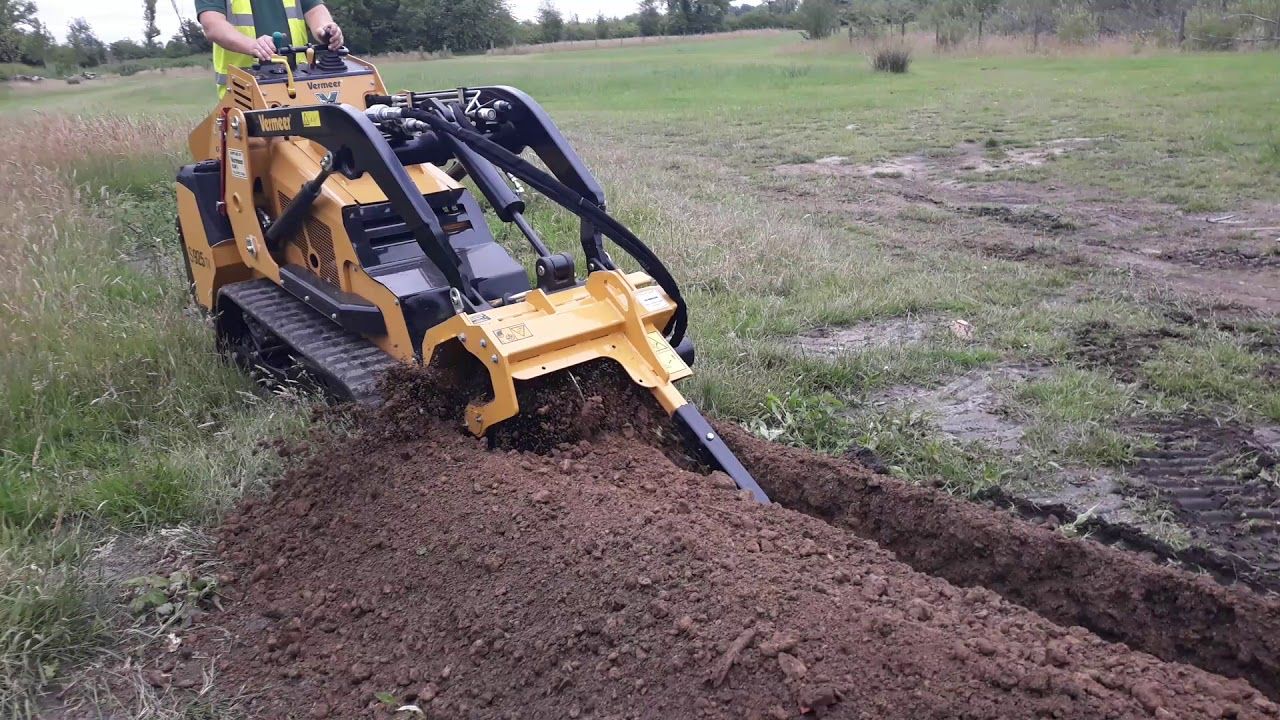
A skid steer trencher is an attachment mounted to the front of a skid steer loader. It uses a rotating chain equipped with cutting teeth to dig narrow trenches in soil.
Mini skid steer trenchers function similarly but are designed for smaller, stand-on or walk-behind loaders. These are often used in tight spaces or residential projects.
Basic Working Principle
-
The loader’s hydraulic system powers the trencher attachment.
-
A chain rotates around a guide bar.
-
Cutting teeth remove soil and debris.
-
Spoils are directed to one side of the trench.
The result is a clean, consistent trench suitable for pipe, cable, or drainage installation.
Types of Skid Steer and Mini Skid Trenchers
Understanding categories helps align the equipment with the job requirements.
1. Standard Chain Trenchers
These are the most common type. They use a chain-and-tooth system similar to a large chainsaw.
Best suited for:
-
Soil and clay
-
Utility trenching
-
Irrigation installation
2. Rock Trenchers
Designed with heavy-duty teeth and reinforced components, rock trenchers are built for harder ground conditions.
Best suited for:
-
Rocky soil
-
Compact gravel areas
-
Tough terrain
3. Silt Fence Trenchers
These specialized trenchers create narrow, shallow trenches used for installing erosion control fencing.
Best suited for:
-
Construction site erosion control
-
Landscaping projects
-
Temporary environmental barriers
4. Low Flow vs. High Flow Trenchers
Hydraulic flow requirements vary by model.
| Feature | Low Flow Trencher | High Flow Trencher |
|---|---|---|
| Hydraulic Requirement | Lower GPM | Higher GPM |
| Cutting Power | Moderate | High |
| Suitable For | Light-duty trenching | Heavy-duty work |
| Compatibility | More compact loaders | Larger skid steers |
Matching the trencher to the loader’s hydraulic capacity is critical for safe and efficient operation.
Benefits of Skid Steer and Mini Skid Trenchers
1. Versatility
Operators can switch between trenching and other tasks by changing attachments.
2. Cost Efficiency
Attachments are generally more affordable than purchasing dedicated trenching machines.
3. Compact Operation
Mini skid trenchers are ideal for narrow pathways, backyards, and confined job sites.
4. Transport Convenience
No need to transport a separate trencher machine.
Limitations to Consider
1. Hydraulic Dependency
Performance depends on the skid steer’s hydraulic output.
2. Limited Depth Compared to Dedicated Units
Dedicated trenchers may achieve deeper cuts.
3. Wear and Tear
Teeth and chains require regular maintenance, especially in rocky conditions.
4. Stability Factors
Improper setup can lead to uneven trenches or machine instability.
Common Applications
Skid steer and mini skid trenchers are widely used across industries.
Utility Installation
-
Water lines
-
Gas pipelines
-
Fiber-optic cables
-
Electrical conduit
Landscaping and Irrigation
-
Sprinkler systems
-
Drainage channels
-
Garden lighting cables
Agriculture
-
Irrigation systems
-
Fence line installation
Construction and Erosion Control
-
Silt fence placement
-
Site drainage preparation
Key Features to Consider
When evaluating a trencher attachment, consider the following:
1. Digging Depth and Width
Choose based on project requirements.
2. Hydraulic Flow Compatibility
Check loader specifications carefully.
3. Tooth Type
Different soil conditions require different tooth designs.
4. Quick Attach System
Many trenchers use universal quick attach systems for easier installation.
5. Chain Speed and Torque
Higher torque improves performance in difficult soil.
Latest Trends and Innovations
1. Improved Tooth Materials
Modern carbide-tipped teeth increase durability.
2. Enhanced Hydraulic Efficiency
Better motor designs reduce energy loss.
3. Telematics Integration
Some advanced attachments are compatible with machine monitoring systems.
4. Noise Reduction Designs
Particularly relevant for urban job sites.
Major Manufacturers and Solutions
Several companies produce skid steer and mini skid trenchers:
-
Bobcat
-
Ditch Witch
-
Vermeer
-
Toro
-
Barreto
These companies provide specifications and compatibility details on their official websites. Comparing technical sheets helps ensure proper matching with loader capabilities.
How to Choose the Right Trencher
Follow this practical checklist:
Step 1: Identify Soil Conditions
-
Soft soil
-
Clay
-
Rocky terrain
Step 2: Confirm Loader Hydraulic Output
Match GPM (gallons per minute) requirements.
Step 3: Determine Required Depth
Plan according to pipe or cable installation needs.
Step 4: Evaluate Project Frequency
Occasional use may justify lighter equipment; frequent use requires durable models.
Step 5: Consider Operator Experience
Advanced trenchers may require more training.
Comparison Table: Mini Skid vs. Standard Skid Steer Trenchers
| Feature | Mini Skid Trencher | Skid Steer Trencher |
|---|---|---|
| Machine Size | Compact | Larger |
| Ideal Use | Residential | Commercial |
| Digging Depth | Moderate | Deeper |
| Maneuverability | Excellent | Good |
| Hydraulic Power | Lower | Higher |
Maintenance Tips for Long-Term Performance
Regular maintenance prevents downtime.
Daily Checks
-
Inspect chain tension
-
Check hydraulic connections
-
Look for worn teeth
Weekly Maintenance
-
Lubricate moving parts
-
Inspect sprockets and bearings
Seasonal Servicing
-
Replace worn chains
-
Inspect hydraulic motor seals
-
Clean debris from housing
Proper storage also extends attachment life.
Practical Pre-Operation Checklist
Before starting work:
-
Confirm secure attachment mounting
-
Check hydraulic hose connections
-
Ensure proper chain tension
-
Verify protective guards are in place
-
Clear work area of large debris
Frequently Asked Questions
What is the difference between a dedicated trencher and an attachment?
A dedicated trencher is a standalone machine, while an attachment connects to a loader.
Can a mini skid trencher handle rocky soil?
It can handle light to moderate rock depending on tooth type, but heavy rock may require specialized equipment.
How deep can a skid steer trencher dig?
Depth varies by model but typically ranges from 24 to 60 inches.
Are quick attach trenchers universal?
Many use standard mounting systems, but compatibility should always be confirmed.
How often should trencher teeth be replaced?
Replacement depends on soil conditions and usage frequency. Rocky environments increase wear.
Conclusion: A Practical Perspective
Skid steer and mini skid trenchers offer practical trenching solutions for a wide range of industries. Their ability to convert compact loaders into trenching systems makes them efficient for both small and mid-scale projects.
While they may not replace heavy-duty dedicated trenchers in every situation, they provide flexibility, cost control, and convenience. By understanding hydraulic requirements, soil conditions, attachment types, and maintenance needs, users can select equipment that fits their operational goals.
Careful evaluation and responsible operation ensure these attachments remain productive and reliable tools in construction, landscaping, and utility work.