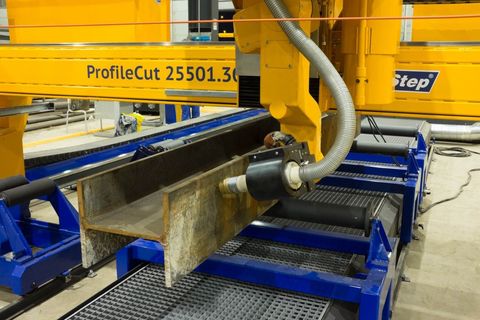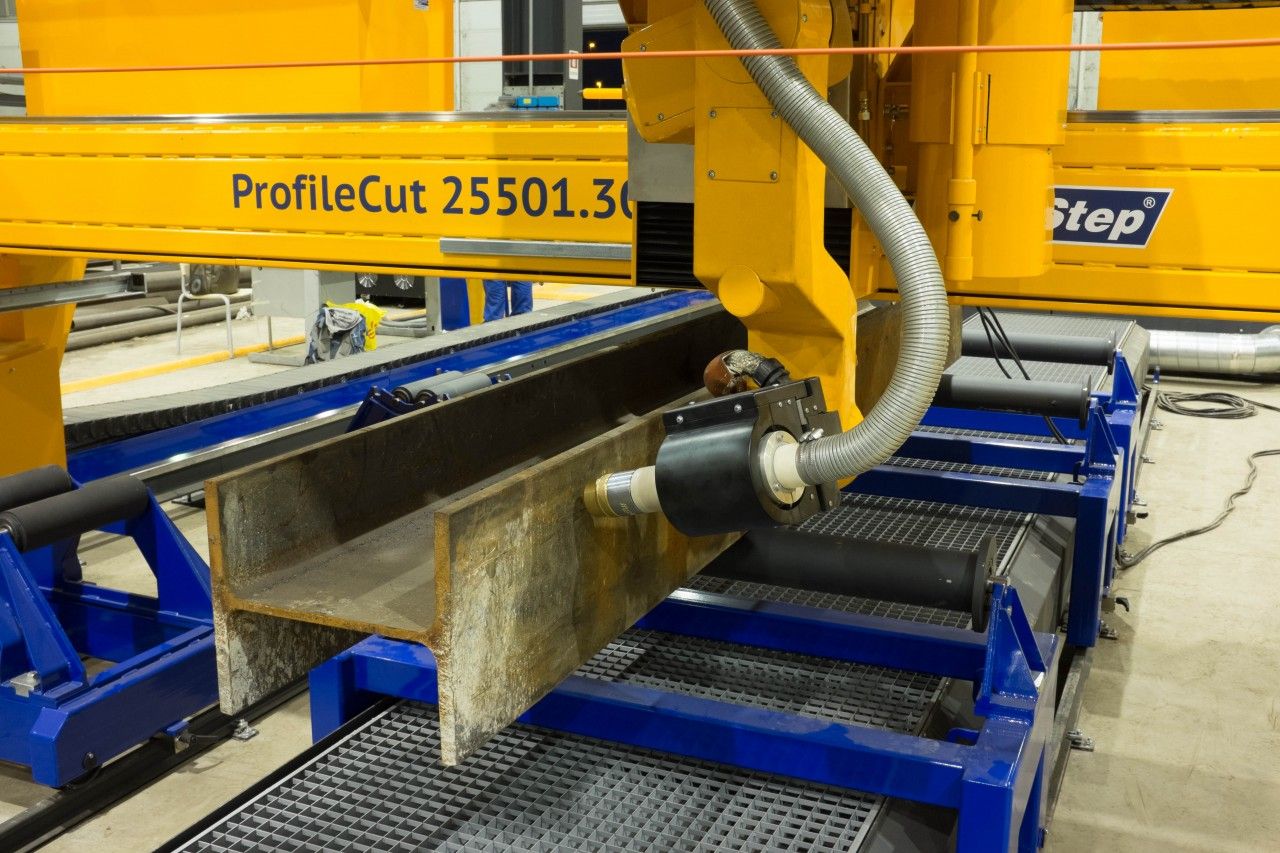
Profile cutting machines are widely used in modern manufacturing to cut complex shapes, contours, and patterns from various materials such as metal, plastic, foam, and wood. Unlike basic cutting tools, these machines are designed to follow precise geometries, making them essential in industries that require accuracy, repeatability, and efficiency.
What Is Profile Cutting?
Profile cutting refers to the process of cutting materials into specific shapes or contours based on a predefined design. These shapes can be simple or highly complex, depending on the application.
In modern systems, profile cutting is typically controlled by CNC software, which interprets digital designs and guides the cutting tool with precision. A typical system includes a cutting table, a tool (plasma torch, laser, or oxy-fuel torch), and a control unit that manages movement and cutting parameters.
How Profile Cutting Machines Work
Although the cutting method varies, most profile cutting machines follow a similar workflow:
1. Design Input
A CAD (Computer-Aided Design) file defines the shape to be cut.
2. CNC Programming
The design is converted into machine-readable instructions (G-code).
3. Cutting Process
The cutting tool (plasma, laser, or flame) follows the programmed path to shape the material.
4. Material Removal
Depending on the method:
- Plasma melts and blows away metal
- Laser melts or vaporizes material
- Oxy-fuel oxidizes and removes metal
CNC systems ensure consistent and repeatable results by controlling movement, speed, and cutting parameters automatically.
Types of Profile Cutting Machines
Profile cutting machines can be categorized based on the cutting technology used.
1. CNC Plasma Profile Cutting Machines
These machines use a high-temperature plasma arc to cut electrically conductive materials such as steel, aluminum, and copper.
Key Characteristics:
- High cutting speed
- Suitable for medium to thick materials
- Works on conductive metals
Plasma cutting involves ionized gas at extremely high temperatures that melts the material and removes it using a high-velocity stream.
2. Laser Profile Cutting Machines
Laser cutting uses a focused beam of light to melt, burn, or vaporize material.
Key Characteristics:
- High precision and clean edges
- Ideal for thin to medium materials
- Minimal finishing required
Laser cutting is widely used where accuracy and surface quality are critical.
3. Oxy-Fuel (Flame) Profile Cutting Machines
These machines use oxygen and fuel gas to cut metal through oxidation.
Key Characteristics:
- Best for thick carbon steel
- Lower equipment cost
- Slower but effective for heavy-duty work
Oxy-fuel cutting is commonly used in structural and heavy fabrication industries.
4. CNC Profile Cutting Machines (Multi-Process)
Modern CNC machines can integrate multiple cutting methods such as:
- Plasma + flame
- Laser + plasma
These hybrid systems offer flexibility across different material types and thicknesses.
5. Specialized Profile Cutting Machines
Pipe and Tube Profile Cutting
Designed for cylindrical materials, often used in pipelines and structural fabrication.
Foam Profile Cutting Machines
Used in packaging, insulation, and product design industries.
Wood and Non-Metal Cutting Systems
Used in furniture and construction applications.
Benefits of Profile Cutting Machines
1. High Precision and Accuracy
CNC systems allow for consistent and repeatable cuts, even for complex shapes.
2. Versatility
Different materials and thicknesses can be processed using various cutting methods.
3. Increased Productivity
Automation reduces manual effort and speeds up production.
4. Reduced Material Waste
Accurate cutting minimizes scrap and improves efficiency.
5. Scalability
Suitable for both small workshops and large industrial operations.
Limitations and Challenges
1. Initial Investment
Advanced machines, especially laser systems, can be expensive.
2. Maintenance Requirements
Consumables like nozzles and electrodes need regular replacement.
3. Material Restrictions
Some methods are limited to specific materials (e.g., plasma requires conductive materials).
4. Heat-Affected Zones
Thermal cutting processes can affect material properties.
5. Skill Requirements
Operators need training for CNC programming and system operation.
Comparison of Profile Cutting Technologies
| Feature | Plasma Cutting | Laser Cutting | Oxy-Fuel Cutting |
|---|---|---|---|
| Material Type | Conductive metals | Metals & non-metals | Carbon steel only |
| Precision | Medium–High | Very High | Medium |
| Cutting Speed | High | High | Low–Medium |
| Thickness Capability | Medium–High | Low–Medium | Very High |
| Cost | Moderate | High | Low |
| Heat Impact | Medium | Low | High |
Industrial Applications
Profile cutting machines are used in a wide range of industries:
1. Metal Fabrication
Cutting structural components, plates, and custom parts.
2. Automotive Industry
Manufacturing chassis components and body panels.
3. Construction and Infrastructure
Processing steel beams, pipes, and support structures.
4. Aerospace
Producing precision components with tight tolerances.
5. Packaging and Foam Industry
Creating custom foam shapes for packaging and insulation.
Latest Trends and Innovations
1. CNC Automation and Smart Software
Advanced CAD/CAM integration improves efficiency and accuracy.
2. Hybrid Cutting Systems
Machines combining plasma, laser, and flame cutting offer flexibility.
3. AI and Smart Monitoring
Predictive maintenance and real-time monitoring are becoming more common.
4. Energy Efficiency Improvements
Modern systems optimize power and gas usage.
5. Robotic Profile Cutting
Robotics enable complex 3D cutting and automation in production lines.
Key Features to Consider
When evaluating profile cutting machines:
Performance Factors
- Cutting speed
- Accuracy and tolerance
- Material compatibility
Machine Design
- Table size
- Number of axes (2D vs 3D cutting)
- CNC system quality
Operational Considerations
- Energy consumption
- Gas or power requirements
- Ease of operation
Safety Features
- Ventilation systems
- Emergency controls
- Heat and spark protection
Checklist for Evaluating Options
- What materials will be cut?
- What thickness range is required?
- Is CNC automation necessary?
- What is the production volume?
- How much space is available?
- What is the budget?
- Are skilled operators available?
Common Companies and Solutions
Several global manufacturers provide profile cutting systems:
- Lincoln Electric (cutting and automation systems)
- ESAB (thermal cutting solutions)
- Hypertherm (plasma cutting technology)
- Bystronic (laser cutting systems)
- Messer Cutting Systems (oxy-fuel and CNC cutting)
These companies offer a range of CNC-based cutting systems tailored to different industries and applications.
How to Choose the Right Profile Cutting Machine
1. Based on Material Type
- Metals: Plasma or laser
- Thick steel: Oxy-fuel
- Foam or non-metals: Specialized cutters
2. Based on Precision Needs
- High precision: Laser
- Medium precision: Plasma
- Basic cutting: Oxy-fuel
3. Based on Budget
- Low budget: Oxy-fuel
- Mid-range: Plasma
- High-end: Laser
4. Based on Production Volume
- Low volume: Manual or basic CNC
- High volume: Fully automated CNC systems
5. Based on Flexibility
- Multi-material use: Hybrid systems
- Specific applications: Dedicated machines
Tips for Best Use and Maintenance
1. Regular Maintenance
Inspect cutting heads, nozzles, and moving parts.
2. Optimize Cutting Parameters
Adjust speed, temperature, and gas flow for best results.
3. Keep Equipment Clean
Dust and debris can affect performance.
4. Monitor Consumables
Replace worn components to maintain cut quality.
5. Train Operators
Proper training improves efficiency and safety.
Frequently Asked Questions
1. What is the difference between profile cutting and standard cutting?
Profile cutting focuses on shaping complex geometries, while standard cutting usually involves straight cuts.
2. Which cutting method is most accurate?
Laser cutting generally provides the highest precision.
3. Can one machine handle multiple materials?
Yes, especially hybrid CNC systems, but capabilities depend on the cutting method.
4. Is CNC necessary for profile cutting?
Not always, but CNC significantly improves accuracy and repeatability.
5. What industries use profile cutting the most?
Metal fabrication, construction, automotive, aerospace, and manufacturing.
6. How do I reduce cutting costs?
Optimize material usage, maintain equipment, and choose the right cutting method.
Conclusion
Profile cutting machines are essential tools in modern manufacturing, enabling precise and efficient shaping of materials across a wide range of industries. With technologies such as CNC, plasma, laser, and oxy-fuel cutting, these machines offer flexibility to meet diverse industrial requirements.
Each cutting method has its strengths, whether it is the precision of laser cutting, the versatility of plasma, or the heavy-duty capability of oxy-fuel systems. Choosing the right solution depends on material type, thickness, production scale, and budget.
As technology continues to advance, profile cutting systems are becoming more automated, efficient, and adaptable. Understanding these machines and their applications helps businesses and professionals make informed decisions and improve overall production efficiency.