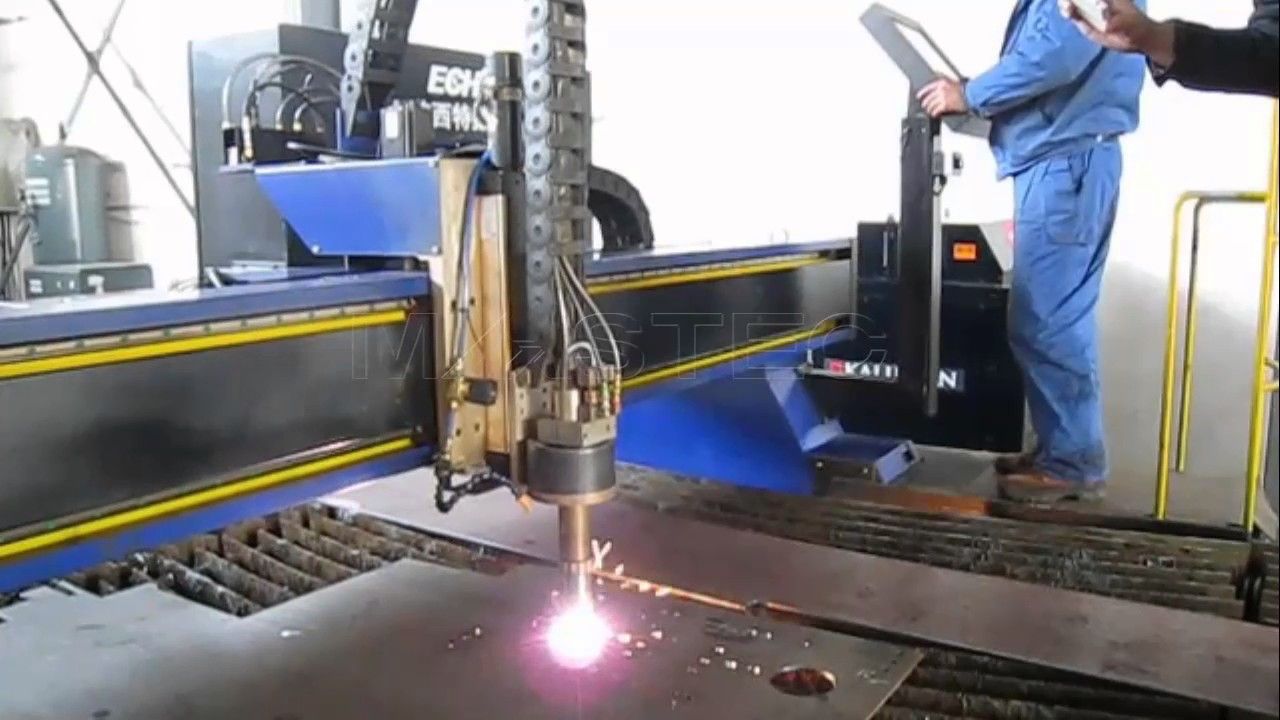
Precision cutting machines play a central role in manufacturing, engineering, construction, aerospace, automotive production, electronics, and metal fabrication. Whether producing fine mechanical components or cutting structural steel, industries depend on machines that can deliver accurate, repeatable, and efficient results.
What Are Precision Cutting Machines?
Precision cutting machines are industrial systems designed to cut materials with high accuracy and minimal deviation from specified dimensions. They are commonly used to process:
-
Metals (steel, aluminum, titanium, copper)
-
Composites
-
Ceramics
-
Stone and concrete (in some applications)
-
Semiconductor materials
The defining feature of these machines is their ability to maintain consistent tolerances while operating at industrial scale.
Main Types of Precision Cutting Technologies
1. Laser Cutting Machines
Laser cutting systems use a focused beam of light to melt, burn, or vaporize material along a programmed path. CNC control systems guide the beam for accurate and repeatable cuts.
Common applications:
-
Sheet metal fabrication
-
Automotive components
-
Aerospace parts
-
Electronics enclosures
Strengths:
-
High accuracy
-
Clean edges
-
Minimal post-processing
-
Suitable for complex geometries
Limitations:
-
Higher equipment cost
-
Reflective materials may require specialized lasers
-
Requires stable power supply and controlled environment
2. Plasma Cutting Machines
Plasma cutters use an electrically conductive gas to create a high-temperature plasma arc that melts metal and blows it away from the cut area.
Common applications:
-
Structural steel
-
Heavy fabrication
-
Industrial construction
-
Maintenance and repair
Strengths:
-
Effective for thick metals
-
Faster cutting speeds for heavy materials
-
Lower cost compared to many laser systems
Limitations:
-
Less precise than high-end laser systems
-
Rougher edge quality
-
Generates more heat-affected zones
3. Wire Saw Machines
Wire saws use a thin wire—often coated with abrasive material or diamond particles—to cut through materials. They are commonly used in precision industries such as semiconductor manufacturing and advanced materials processing.
Common applications:
-
Silicon wafers
-
Ceramic components
-
Precision metal parts
-
Laboratory material testing
Strengths:
-
High precision
-
Minimal material stress
-
Capable of cutting brittle materials
Limitations:
-
Slower cutting speeds
-
Limited suitability for large structural materials
-
Requires careful wire maintenance
Technology Comparison Table
| Feature | Laser Cutting | Plasma Cutting | Wire Saw |
|---|---|---|---|
| Accuracy | Very high | Moderate to high | Very high |
| Edge Quality | Clean, minimal finishing | May require finishing | Smooth for brittle materials |
| Material Thickness | Thin to medium | Medium to thick | Thin to medium |
| Speed | High | High (thick metals) | Moderate to low |
| Material Compatibility | Wide range | Conductive metals only | Metals, ceramics, silicon |
| Heat Impact | Moderate | Higher | Low mechanical stress |
Benefits of Precision Cutting Machines
Across industries, precision cutting systems provide several advantages:
1. Improved Accuracy and Repeatability
Computer-controlled systems ensure consistent production results.
2. Reduced Material Waste
Optimized cutting paths reduce scrap.
3. Faster Production Cycles
Automation increases throughput.
4. Design Flexibility
Complex shapes can be cut directly from CAD files.
5. Integration with Digital Workflows
Many machines connect to CAD/CAM and ERP systems.
Limitations and Practical Challenges
While advanced, these machines require careful consideration:
-
High initial investment for advanced laser systems
-
Maintenance requirements for consumables (nozzles, wires, electrodes)
-
Skilled operator training
-
Energy consumption
-
Safety measures for heat, light, or electrical hazards
Understanding these factors helps set realistic expectations.
Latest Trends and Innovations
Precision cutting technology continues to evolve.
1. Fiber Laser Advancements
Fiber lasers offer improved energy efficiency and cutting speed compared to older CO₂ systems.
2. Automation and Robotics Integration
Robotic loading and unloading systems reduce manual handling.
3. Real-Time Monitoring Systems
Sensors track cut quality and adjust parameters automatically.
4. AI-Based Optimization
Machine learning algorithms optimize cutting paths and reduce errors.
5. Hybrid Systems
Some machines combine multiple cutting methods in one platform.
Key Features to Consider
When evaluating precision cutting machines, consider the following checklist:
Technical Features
-
Required tolerance levels
-
Material compatibility
-
Maximum thickness capacity
-
Cutting speed
-
CNC control capabilities
-
Software integration
Operational Considerations
-
Maintenance frequency
-
Consumable costs
-
Operator training requirements
-
Floor space availability
-
Energy requirements
How to Choose the Right Precision Cutting Machine
Selecting the appropriate technology depends on specific needs.
Step 1: Identify Primary Material
Different materials respond differently to heat and mechanical stress.
Step 2: Define Accuracy Requirements
For micron-level precision, laser or wire saw systems may be more suitable.
Step 3: Consider Production Volume
High-volume manufacturing may justify higher automation investment.
Step 4: Evaluate Budget Beyond Purchase Price
Include:
-
Maintenance
-
Training
-
Software
-
Consumables
-
Downtime costs
Step 5: Assess Facility Constraints
Consider ventilation, electrical infrastructure, and safety regulations.
Top Companies and Industry Solutions
Several established manufacturers provide precision cutting systems globally. These companies publish technical specifications and case studies on their websites for comparison.
Examples include:
-
TRUMPF (laser cutting systems)
-
Bystronic (laser and automation solutions)
-
Hypertherm (plasma cutting systems)
-
OMAX (waterjet and cutting technologies)
-
DISCO Corporation (precision wire saw and semiconductor cutting systems)
When comparing solutions, focus on:
-
Documented accuracy specifications
-
Service network availability
-
Software ecosystem
-
Compatibility with existing production lines
Practical Selection Checklist
Before finalizing a decision, confirm:
-
Material type documented
-
Required tolerance range defined
-
Production volume estimated
-
Facility requirements verified
-
Safety compliance reviewed
-
Long-term maintenance plan established
Tips for Best Use and Maintenance
To ensure consistent performance:
1. Follow Scheduled Maintenance
Replace consumables on time.
2. Maintain Clean Optics and Components
Dust and residue can reduce efficiency.
3. Calibrate Systems Regularly
Routine calibration preserves accuracy.
4. Monitor Cooling Systems
Overheating can reduce lifespan.
5. Train Operators Thoroughly
Proper usage reduces error and downtime.
Frequently Asked Questions
What is the most precise cutting method?
Laser and wire saw systems generally offer higher precision than plasma cutting, but the best option depends on material and application.
Can plasma cutters achieve high accuracy?
Modern plasma systems have improved significantly, but they are typically less precise than high-end laser systems.
Are wire saws only for semiconductor applications?
While common in semiconductor manufacturing, wire saws are also used for ceramics, specialty metals, and laboratory research.
How long do consumables last?
Lifespan varies depending on usage intensity, material type, and maintenance practices.
Is automation necessary for small workshops?
Not always. Smaller operations may prioritize flexibility over full automation.
Conclusion: Choosing with Practical Clarity
Precision cutting machines are essential tools in modern manufacturing, enabling accurate, repeatable, and efficient material processing. Laser systems excel in fine detail and clean edges. Plasma cutters offer speed and strength for thicker conductive metals. Wire saws provide precision for delicate or brittle materials.
No single technology is universally superior. The most appropriate solution depends on the material being processed, the required tolerance level, production volume, and operational constraints.
By carefully assessing application needs, reviewing technical specifications, and planning for long-term operation and maintenance, organizations can adopt precision cutting technologies that support reliable and consistent production outcomes.