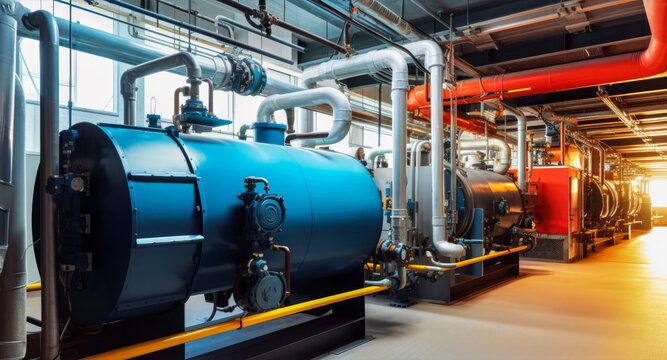
Heating systems play a central role in residential comfort, energy costs, and environmental impact. As energy prices fluctuate and building efficiency standards improve, many homeowners and facility managers are exploring high-efficiency boiler systems as a way to reduce fuel consumption and improve heating performance.
What Makes a Boiler “High Efficiency”
Boiler efficiency generally refers to how much fuel energy is converted into usable heat. This is typically measured using AFUE (Annual Fuel Utilization Efficiency).
-
Older boilers: often 60–80% efficient
-
Standard modern boilers: around 80–88%
-
High-efficiency boilers: typically 90–98%
High-efficiency systems achieve this through:
-
Condensing technology that captures exhaust heat
-
Improved heat exchanger materials
-
Variable firing rates
-
Smart thermostatic controls
-
Reduced standby heat loss
In practical terms, higher efficiency means less fuel consumption for the same heating output.
Main Types of Efficient Boiler Systems
1. Condensing Gas Boilers
Condensing boilers are widely considered the most efficient type available today.
They work by capturing heat from exhaust gases that would normally escape through the flue. This recovered heat is reused to warm water returning to the boiler, improving efficiency significantly.
Typical efficiency: 90–98%
Best suited for: modern homes, underfloor heating, well-insulated buildings
Advantages
-
Very high efficiency
-
Lower fuel consumption
-
Reduced emissions
-
Compatible with smart heating controls
Limitations
-
Higher installation cost
-
Requires proper condensate drainage
-
Works best with low-temperature heating systems
2. Combi Boilers (Combination Boilers)
Combi boilers combine central heating and hot water supply in one unit. They heat water on demand instead of storing it in a tank.
Typical efficiency: 90–96%
Best suited for: smaller homes, apartments, properties with limited space
Advantages
-
No hot water tank required
-
Compact design
-
On-demand hot water
-
Often energy efficient for moderate usage
Limitations
-
May struggle with simultaneous high hot-water demand
-
Output capacity limits larger homes
-
Performance depends on water pressure
3. System Boilers
System boilers work with a hot water cylinder but integrate most heating components inside the boiler unit.
Typical efficiency: 88–95%
Best suited for: medium-to-large homes with multiple bathrooms
Advantages
-
Good hot water supply capacity
-
Stable heating performance
-
Compatible with renewable heat sources
Limitations
-
Requires storage tank space
-
Installation can be more complex than combi systems
4. Electric Boilers
Electric boilers convert electrical energy directly into heat without combustion.
Typical efficiency: nearly 100% at point of use
Best suited for: small homes, off-grid properties, or low-heat demand buildings
Advantages
-
No combustion emissions
-
Compact and quiet
-
Minimal maintenance
Limitations
-
Electricity costs may be higher than gas
-
Not ideal for large heating loads
-
Depends on grid reliability
Comparison Table: Boiler System Types
| Boiler Type | Efficiency Range | Space Needs | Hot Water Capacity | Best For |
|---|---|---|---|---|
| Condensing Gas | 90–98% | Medium | High | Modern energy-efficient homes |
| Combi Boiler | 90–96% | Low | Moderate | Small to medium homes |
| System Boiler | 88–95% | Medium-High | High | Large homes with multiple bathrooms |
| Electric Boiler | Near 100% | Low | Moderate | Small homes or backup systems |
Benefits of High-Efficiency Boiler Systems
Lower Energy Bills
Efficient boilers use less fuel to produce the same amount of heat, reducing long-term heating costs.
Reduced Environmental Impact
Less fuel burned means fewer emissions and lower carbon output.
Improved Heating Control
Modern systems often include programmable thermostats, zoning options, and weather compensation controls.
Better Long-Term Reliability
Newer systems are designed with advanced safety and monitoring features that help maintain stable performance.
Limitations to Consider
Higher Initial Cost
Efficient boilers usually cost more to purchase and install.
Installation Requirements
Some systems need upgraded pipework, ventilation, or drainage for condensate.
Maintenance Needs
Condensing boilers, in particular, require regular servicing to maintain peak performance.
Performance Depends on Building Efficiency
Poor insulation or outdated radiators can reduce real-world efficiency gains.
Key Features to Look for in Efficient Boilers
When comparing boiler systems, these features often matter more than brand names.
Heat Exchanger Material
-
Stainless steel exchangers often last longer
-
Aluminum exchangers heat quickly but may need more maintenance
Modulation Range
A wider modulation range allows the boiler to adjust output efficiently instead of cycling on and off frequently.
Smart Control Compatibility
Systems that integrate with smart thermostats or zoning controls often improve overall efficiency.
Warranty Length
Longer warranties can indicate higher manufacturing confidence and durability.
Latest Trends in Boiler Technology
Integration with Renewable Energy
Many modern boilers can work alongside solar thermal systems or heat pumps.
Hybrid Heating Systems
Hybrid setups combine boilers with renewable sources to reduce fuel consumption during mild weather.
Smart Efficiency Monitoring
New systems track fuel usage, temperature performance, and efficiency metrics automatically.
Compact High-Output Designs
Manufacturers are developing smaller boilers that deliver high heating output for space-constrained properties.
Common Boiler Manufacturers and Solutions
While features matter more than brand names, some manufacturers are known for producing widely used high-efficiency systems.
Examples often compared in public reviews and specifications include:
-
Viessmann
-
Worcester Bosch
-
Vaillant
-
Baxi
-
Navien
Each offers condensing, combi, or system boiler models with different efficiency ratings and control options.
How to Choose the Right Boiler System
Step 1: Assess Heating Demand
Consider:
-
Building size
-
Number of rooms
-
Hot water usage
-
Climate conditions
Step 2: Check Installation Constraints
Look at:
-
Available space
-
Existing pipework
-
Gas or electrical supply
-
Ventilation options
Step 3: Compare Running Costs
Fuel price differences can affect long-term cost more than efficiency percentages.
Step 4: Consider Future Plans
If planning insulation upgrades or renewable heating additions, choose a system compatible with those changes.
Boiler Selection Checklist
Before choosing a system, check:
-
Heating load calculation completed
-
Building insulation assessed
-
Water pressure evaluated
-
Space availability measured
-
Fuel type compared
-
Maintenance access confirmed
-
Local installation requirements reviewed
Tips for Efficient Boiler Use and Maintenance
-
Service the boiler annually
-
Use programmable thermostats
-
Bleed radiators regularly
-
Maintain proper system pressure
-
Insulate pipes to reduce heat loss
-
Keep vents and filters clean
-
Monitor unusual noises or pressure drops
Proper maintenance often makes as much difference to efficiency as the boiler type itself.
FAQs
Are combi boilers always the most efficient option?
Not necessarily. They can be efficient for smaller homes, but larger properties may benefit more from system or condensing boilers with storage capacity.
Do high-efficiency boilers always reduce heating bills?
They often reduce fuel consumption, but savings depend on installation quality, building insulation, and heating usage patterns.
How long do efficient boilers typically last?
Most modern boilers last 10–15 years with proper maintenance.
Is electric heating more efficient than gas boilers?
Electric boilers convert nearly all input energy into heat, but electricity prices may make them more expensive to operate in some regions.
Do efficient boilers require special radiators?
Not always, but low-temperature systems such as underfloor heating can help condensing boilers achieve maximum efficiency.
Conclusion
High-efficiency boiler systems offer meaningful improvements in fuel use, heating control, and environmental performance compared with older models. However, the most efficient system on paper is not always the best choice for every building.
Selecting the right boiler depends on heating demand, installation constraints, energy costs, and future plans for the property. By comparing system types, understanding their limitations, and focusing on real-world performance rather than just efficiency ratings, homeowners and building managers can make more informed decisions about long-term heating solutions.