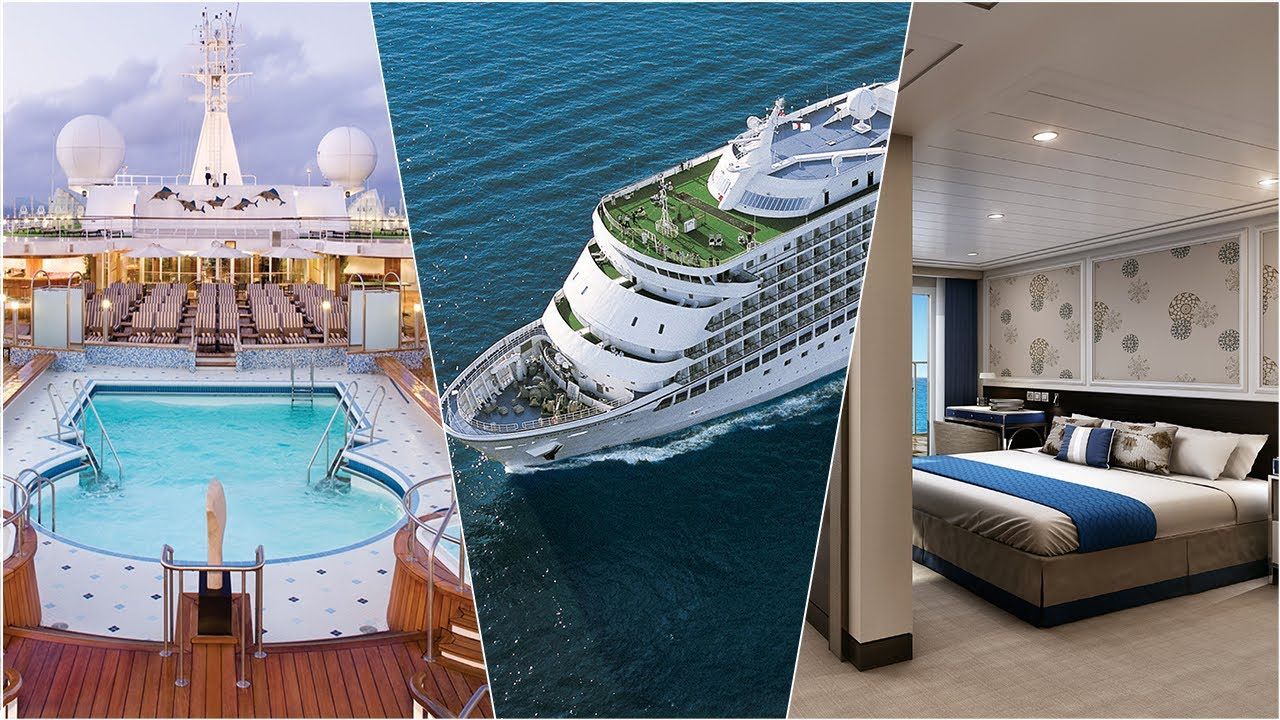
Imagine sailing into a secluded fjord at sunrise, your private balcony offering a front-row seat to nature's grandeur. Later, you might savor a multi-course meal crafted by a Michelin-starred chef, enjoy a performance in an intimate theater, or simply relax in a serene spa, all without ever glancing at a bill. This is the world of luxury cruising, a travel experience defined by exceptional service, spacious accommodations, and meticulous attention to detail.
Understanding the Luxury Cruise Category
Luxury cruising represents the pinnacle of the sea travel experience, distinct from mainstream, premium, or even expedition cruising. While all-inclusive pricing is a hallmark, true luxury extends far beyond beverages and gratuities. It is characterized by high space-per-guest ratios (meaning fewer passengers and more room), nearly one-to-one crew-to-guest service, gourmet dining with open seating, and itineraries that often feature unique ports and longer stays. The focus shifts from bustling activity to curated experience, from crowds to comfort.
Benefits and Limitations of Luxury Cruising
As with any travel style, understanding both the advantages and the considerations is key.
Key Benefits:
All-Inclusive, Simplified Value: Nearly everything—fine dining, premium beverages, Wi-Fi, gratuities, and often shore excursions—is included in the upfront fare, creating a seamless, carefree experience with minimal surprise costs.
Exceptional Service and Space: With more crew and fewer passengers, service is highly personalized, attentive, and anticipatory. Ships feel uncrowded, offering ample quiet spaces and no lines.
Culinary Excellence: Dining is a central pillar, featuring multiple specialty restaurants, often with no extra fees, and menus designed by celebrated chefs using high-quality ingredients.
Unique and Destination-Focused Itineraries: Luxury lines can access smaller, less-visited ports that larger ships cannot. They frequently offer overnight stays in iconic cities and themed voyages centered on culture, food, or wine.
Inclusive Enrichment and Comfort: Thoughtful enrichment programs, high-end spa facilities, and beautifully appointed staterooms with premium amenities are standard.
Important Considerations:
Higher Initial Cost: The per-day fare is significantly higher than mainstream cruising. The value, however, lies in the comprehensive, high-quality inclusions.
A More Sedate Atmosphere: Nightlife tends to be refined (piano bars, jazz lounges) rather than energetic (discoes, deck parties). The overall ambiance is one of relaxed sophistication.
Less Family-Oriented: While some luxury lines welcome well-behaved children, dedicated kids' clubs and extensive family programming are rare. The passenger demographic is typically adults.
Potential for Formality: Some lines maintain formal evenings requiring jackets or tuxedos, while others have embraced a more relaxed "elegant casual" ethos. Knowing the dress code expectation is important.
Types and Categories Within Luxury Cruising
Not all luxury lines are alike. They often fall into distinct stylistic categories:
Classic, Large-Ship Luxury: These lines operate the largest vessels in the luxury segment (carrying 450-800 guests). They offer the most onboard amenities, such as multiple dining venues, larger spas, and sometimes small casinos. The experience balances luxury with a wider variety of public spaces and activity options. Examples: Regent Seven Seas Cruises, Crystal (under new ownership).
Boutique, Small-Ship Luxury: Featuring much smaller ships (carrying 200-450 guests), these lines prioritize an intimate, club-like atmosphere. They excel at creating a sense of community among passengers and crew, and their size allows access to smaller harbors. The focus is on destination immersion and personalized service. Examples: Seabourn, Silversea.
Expedition Luxury: This fast-growing category applies the luxury ethos—spacious suites, gourmet dining, fine wines—to remote, adventurous destinations like Antarctica, the Galápagos, or the Arctic. Ships are reinforced for ice and carry expert naturalists and Zodiac landing craft. Examples: Silversea Expeditions, Scenic Eclipse, Ponant.
Sailing Yacht & Mega-Yacht Luxury: For those seeking an alternative to traditional ships, these lines operate sleek motor-sailers or yacht-like vessels (carrying under 200 guests). The atmosphere is intentionally casual yet supremely elegant, emphasizing open-air living, water sports from the marina, and an ultra-relaxed vibe. Examples: SeaDream Yacht Club, The Ritz-Carlton Yacht Collection.
Latest Trends and Innovations
The luxury segment continuously evolves to meet traveler expectations:
Truly All-Inclusive Airfare: Leading lines like Regent Seven Seas and Silversea now include round-trip business class or economy airfare in their fares for many itineraries, further simplifying the journey.
Sustainable and Conscious Cruising: There is a strong push towards environmental stewardship, with investments in advanced wastewater treatment, reduced single-use plastics, and partnerships with local communities at ports of call.
Hyper-Personalization: Technology and data allow for unprecedented personalization, from pre-stocked in-suite bars with your favorite drinks to AI-driven shore excursion recommendations based on past preferences.
Residential-Style Living: New ship designs emphasize spacious, apartment-like suites with separate living areas, large verandas, and even in-suite wellness features like meditation spaces or personal fitness equipment.
Key Features to Consider: Your Comparison Checklist
When evaluating luxury cruise lines, use this list to identify what matters most to you:
Inclusivity Model: What is truly included? Verify: all dining, premium drinks, Wi-Fi, gratuities, shore excursions, specialty coffees, airfare, and pre-cruise hotel stays.
Ship Size & Atmosphere: Do you prefer the amenities and variety of a 700-guest ship or the intimacy of a 250-guest yacht?
Stateroom Standards: Are all accommodations suites? What is the minimum square footage? Do all have private verandas?
Dining Philosophy: How many restaurants are there? Are reservations required? Is there a focus on local, destination-inspired cuisine?
Destination Focus: Does the line specialize in certain regions (e.g., Mediterranean, Asia, Antarctica)? Do itineraries feature overnight port stays?
Onboard Ambiance: What is the dress code? Is the entertainment low-key or more varied? Is there a sense of scheduled activity or encouraged relaxation?
Crew Service Style: Is it formal and discreet or more warm and friendly? What is the published guest-to-crew ratio?
Comparison of Leading Luxury Cruise Lines
This table provides a high-level overview of prominent lines. Always consult the official websites for the most current fleet, itineraries, and policies.
| Cruise Line | Typical Ship Size (Guests) | Key Differentiator | Ideal For |
|---|---|---|---|
| Regent Seven Seas Cruises | 490 - 750 | The most inclusive model: fares cover luxury suites, all dining, unlimited beverages, extensive shore excursions, Wi-Fi, and business class air on intercontinental voyages. | Travelers who want everything taken care of upfront and enjoy a spacious, amenity-rich ship with diverse dining. |
| Seabourn | 450 - 600 | Boutique, all-suite, social yet intimate atmosphere. Known for its casual elegance, the "Seabourn Square" living room, and innovative partnerships with Thomas Keller (The Grill). | Those seeking a convivial, yacht-like feel with superb service and a relaxed, open-seating dining environment. |
| Silversea | 250 - 600 | Diverse fleet spanning classic luxury ships to intimate expedition vessels. Strong focus on destination immersion with included door-to-door private executive transfers for some suites. | Travelers who value a range of ship sizes and want the option for both classic and expedition luxury under one brand. |
| Crystal (Resurgent) | 600 - 800 | Returning with a focus on space and enrichment. Historically known for its exceptional guest space ratio, diverse dining, and extensive speaker programs. | Cruisers interested in a revitalized classic, seeking a large-ship luxury experience with a strong emphasis on learning and entertainment. |
| The Ritz-Carlton Yacht Collection | 298 | The resort-at-sea concept. Spacious, residential-style suites, a very open, relaxed vibe with al fresco dining, and complimentary watersports from the marina. | Guests who prefer a relaxed, superyacht-inspired experience with a focus on outdoor living and a less structured daily schedule. |
(Official Links: rssc.com, seabourn.com, silversea.com, crystalcruises.com, ritzcarltonyachtcollection.com)
How to Choose the Right Option: A Decision Framework
Define Your "Why": Is this trip about deep relaxation, cultural immersion, adventurous exploration, or celebrating a special occasion? Your primary goal will steer your choice.
Prioritize Your "Must-Haves": Refer to the checklist. Is an all-veranda ship non-negotiable? Do you need included business class air? Must the line have a specific expedition capability?
Match the Destination: Some lines have deep expertise in certain regions. An Alaskan itinerary might favor a line with expansive viewing lounges and naturalists, while a Mediterranean cruise might prioritize a ship with a destination-focused culinary program.
Consider Travel Companions: Are you traveling as a couple, with friends, or solo? Some lines have exceptional single-supplement policies or dedicated social areas for solo travelers.
Consult a Specialist Travel Advisor: This is highly recommended. A knowledgeable cruise advisor can provide nuanced insights, access potential savings or added amenities, and help you navigate the fine print based on your detailed preferences.
Tips for Best Use and Getting the Most from Your Voyage
Book Early or Be Flexible: The best suites and itineraries on luxury ships sell out quickly. Booking a year or more in advance secures your choice. Last-minute deals can exist but limit cabin and itinerary selection.
Communicate Preferences in Advance: Most lines allow you to submit preferences for pillow type, dietary needs, and beverage choices before you sail. This allows the crew to personalize your experience from the moment you board.
Engage with the Crew and Fellow Travelers: The small-ship environment fosters connections. Concierges, sommeliers, and cabin attendants are often experts at exceeding expectations if they know your interests.
Utilize the Concierge and Destination Experts: Don't hesitate to ask for help customizing a shore excursion or securing a difficult dinner reservation in port. This level of service is part of what you've paid for.
Pack for the Ambiance: Adhere to the suggested dress code. On "formal optional" nights, you will feel most comfortable if you lean into the elegant spirit of the evening.
FAQs Addressing Real User Concerns
Q: Is everything truly free on an all-inclusive luxury cruise?
A: Virtually all onboard experiences are included: dining, drinks, entertainment, gratuities, and Wi-Fi. The main exceptions are typically: A) ultra-premium spirits or rare wines, B) some exclusive shore excursions (like private plane tours), and C) spa and wellness treatments. Always review the line's "what's included" page carefully.
Q: Are luxury cruises stuffy or formal?
A: This varies. Lines like Crystal and Cunard (in Grills class) maintain formal nights. Seabourn and The Ritz-Carlton Yacht Collection are firmly "elegant casual." Most have relaxed during the day and request "resort elegant" or jackets in the evening. Check the line's policy to match your comfort level.
Q: Can I stay connected on a luxury cruise?
A: Yes. Modern luxury ships have satellite internet. While it may not support high-bandwidth activities like streaming live video consistently, it is generally sufficient for email, messaging, and browsing. It is often included in the fare.
Q: I'm traveling solo. Are there opportunities to socialize?
A: Absolutely. Small ships are conducive to meeting people. Many lines host hosted tables at dinner for solo travelers, and some, like Silversea and Saga, offer dedicated singles' lounges or events. Some also have reduced or waived single supplements on select sailings.
Q: How does the value compare to a high-end land-based resort?
A: When you factor in that a luxury cruise includes your accommodation, all meals, drinks, entertainment, and transportation between destinations (ports), the per-day value can be very competitive with a five-star resort where each item is charged separately.
Conclusion: Finding Your Perfect Match at Sea
The world of luxury cruising is rich with choice, where the definition of "perfect" is beautifully subjective. It is not about finding the single "best" line, but about identifying the one whose personality and offerings resonate most deeply with your travel desires.
By understanding the key differences in style—from the grand, all-encompassing inclusivity of Regent to the intimate, yacht-like ambiance of Seabourn, or the adventurous spirit of Silversea Expeditions—you move from being a passive consumer to an informed traveler. This knowledge empowers you to select a voyage where the ship itself becomes not just a means of transport, but an integral and cherished part of the journey's memory. The ultimate luxury, after all, is an experience that feels personally crafted just for you.