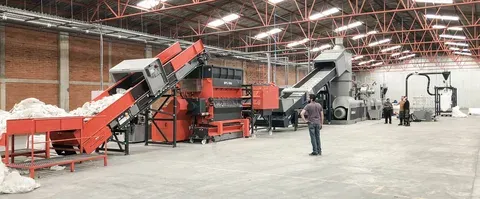
Industrial shredding systems play a key role in modern manufacturing, recycling, waste management, and data security operations. These machines are designed to reduce the size of materials so they can be reused, transported more efficiently, or disposed of safely. From processing scrap metal and plastics to destroying confidential materials and electronic components, shredders help industries manage both production waste and end-of-life products.
What Industrial Shredding Systems Do
Industrial shredders use rotating blades, cutters, or hammers to break materials into smaller pieces. The output size can range from large chunks for further processing to fine particles suitable for recycling or disposal.
Shredding systems are often integrated into production or recycling lines where material reduction improves handling, sorting, or transportation.
Benefits Of Industrial Shredding Systems
Industrial shredders offer several operational and environmental advantages.
Operational Benefits
-
Reduces waste volume for easier transport and storage
-
Prepares materials for recycling or reuse
-
Improves downstream processing efficiency
-
Helps maintain cleaner production environments
-
Enables secure destruction of sensitive materials
Environmental Benefits
-
Supports recycling and circular economy goals
-
Reduces landfill use
-
Helps recover valuable raw materials
-
Improves waste sorting and separation
Limitations And Challenges
Despite their usefulness, shredding systems also come with some constraints.
Common Limitations
-
High upfront equipment cost
-
Energy consumption for heavy-duty units
-
Noise and vibration during operation
-
Blade wear requiring periodic replacement
-
Material contamination can reduce efficiency
Facilities must consider maintenance planning, operator training, and energy usage when integrating shredding equipment.
Types Of Industrial Shredders
Industrial shredders are classified based on their cutting mechanism, shaft configuration, and material handling capabilities.
1. Single-Shaft Shredders
These machines use one rotating shaft with cutting knives and a screen to control output size.
Best for:
-
Plastics
-
Paper and packaging
-
Light metal components
-
Electronic waste
Advantages:
-
Consistent particle size
-
Adjustable output control
-
Suitable for automated lines
2. Dual-Shaft Shredders
Also known as twin-shaft shredders, these machines use two interlocking shafts with cutters that pull material inward.
Best for:
-
Scrap metal
-
Tires
-
Wood
-
Mixed industrial waste
Advantages:
-
High torque for tough materials
-
Lower risk of jamming
-
Good for bulk waste streams
3. Four-Shaft Shredders
These systems combine two primary shredding shafts with secondary cutters for finer output.
Best for:
-
Electronic waste
-
Plastics recycling
-
Confidential material destruction
-
Mixed waste requiring uniform output
Advantages:
-
More controlled particle size
-
Higher throughput consistency
-
Often integrated into sorting systems
4. Hammermill Shredders
Hammermills use rotating hammers to crush materials against a screen.
Best for:
-
Scrap metal processing
-
Automotive recycling
-
Construction debris
Advantages:
-
Very high throughput
-
Handles dense materials
-
Produces smaller output sizes
Comparison Of Shredder Types
| Type | Output Control | Best Materials | Energy Use | Maintenance Level |
|---|---|---|---|---|
| Single-shaft | High | Plastics, packaging | Moderate | Medium |
| Dual-shaft | Medium | Metals, tires, waste | Moderate | Medium |
| Four-shaft | High | Mixed waste, electronics | Higher | Medium-high |
| Hammermill | Low-medium | Scrap metal, debris | High | High |
Materials Processed By Industrial Shredders
Industrial shredding systems are used across multiple sectors due to their ability to handle diverse materials.
Common Materials
-
Plastics and polymers
-
Steel scrap and metal components
-
Electronic waste and circuit boards
-
Paper and packaging
-
Wood and construction waste
-
Textiles and industrial fabrics
-
Rubber products and tires
Each material requires different cutter designs, torque levels, and feeding systems.
Applications Across Industries
Manufacturing Sector
Shredders are used to reduce production scrap and recycle rejected components. This helps recover raw materials and reduce disposal costs.
Recycling Industry
Material reduction is the first step in recycling operations. Shredders prepare plastics, metals, and electronics for sorting and reprocessing.
Waste Management
Municipal and industrial waste facilities use shredders to improve landfill efficiency and reduce transport costs.
Data Security And Electronics
Hard drive shredding systems ensure secure destruction of sensitive data. This is increasingly important for compliance with data protection regulations.
Construction And Demolition
Shredders process wood, drywall, insulation, and mixed debris so materials can be sorted and recycled.
Latest Trends And Innovations
Industrial shredding technology continues to evolve as industries focus on efficiency and automation.
Current Trends
Automation Integration
Modern shredders now include automated feeding, sorting, and monitoring systems.
Energy-Efficient Drives
New drive systems reduce power consumption while maintaining torque performance.
Smart Monitoring Systems
Sensors track blade wear, temperature, and load conditions to prevent downtime.
Noise Reduction Design
Manufacturers are focusing on quieter machines to meet workplace safety requirements.
Compact Portable Units
Portable shredders are gaining popularity for on-site waste reduction and temporary operations.
Key Features To Consider When Choosing A Shredder
When evaluating shredding systems, several features influence performance and long-term costs.
Important Machine Features
-
Shaft configuration and torque rating
-
Cutter material and replaceability
-
Output size control system
-
Feed hopper design
-
Automation compatibility
-
Safety systems and overload protection
-
Energy consumption rating
Checklist For Selecting A Shredding System
Material Factors
-
What materials will be processed?
-
Are they mixed or single-stream?
-
What is the required output size?
Operational Factors
-
Continuous or batch processing?
-
Required throughput per hour?
-
Available installation space?
Cost Factors
-
Initial equipment cost
-
Maintenance frequency
-
Spare parts availability
-
Energy consumption
Notable Industrial Shredder Manufacturers
Several companies produce shredding systems used globally in recycling and manufacturing operations.
Examples include:
-
SSI Shredding Systems
-
Vecoplan
-
UNTHA
-
Lindner Recyclingtech
-
WEIMA
These manufacturers offer systems ranging from compact industrial units to large-scale recycling plant equipment. Buyers typically compare torque output, automation capabilities, service availability, and lifecycle costs before selecting a solution.
How To Choose The Right Industrial Shredder
Selecting the right system involves matching machine capabilities to material type and operational goals.
Step-by-Step Approach
-
Identify the primary material stream
-
Define required output size
-
Estimate hourly processing volume
-
Determine automation level needed
-
Compare energy usage and maintenance needs
-
Evaluate available service and spare parts
Facilities often test materials in manufacturer demo centers before making a final decision.
Tips For Best Use And Maintenance
Proper operation and maintenance help extend shredder life and improve efficiency.
Operational Tips
-
Avoid feeding materials outside machine specifications
-
Remove contaminants that may damage cutters
-
Maintain consistent feed rates
-
Train operators on load limits and safety procedures
Maintenance Tips
-
Inspect cutters regularly for wear
-
Lubricate moving components as recommended
-
Monitor temperature and vibration levels
-
Replace screens and blades on schedule
Preventive maintenance reduces downtime and protects long-term performance.
Frequently Asked Questions
What industries rely most on industrial shredders?
Recycling, manufacturing, waste management, construction, and electronics disposal industries depend heavily on shredding systems.
Are shredders only used for recycling?
No. They are also used for product destruction, data security, volume reduction, and production scrap management.
How is shredder size determined?
Machine size is based on material type, required throughput, and desired output size.
Do shredders consume a lot of energy?
Heavy-duty models can use significant power, but modern systems include energy-efficient drives to reduce consumption.
How long do shredder blades last?
Blade lifespan varies widely depending on materials processed and maintenance practices. Regular inspections help extend their life.
Conclusion
Industrial shredding systems are essential tools in modern industry, supporting recycling, waste reduction, secure material destruction, and efficient production processes. With multiple machine types available, organizations can choose systems tailored to their material streams, output requirements, and operational goals.
As industries continue moving toward circular production models and stricter environmental compliance, shredding technology is likely to become even more integrated into manufacturing and waste management workflows. Understanding the different shredder types, applications, and selection criteria helps businesses make informed decisions that improve efficiency while supporting sustainability objectives.