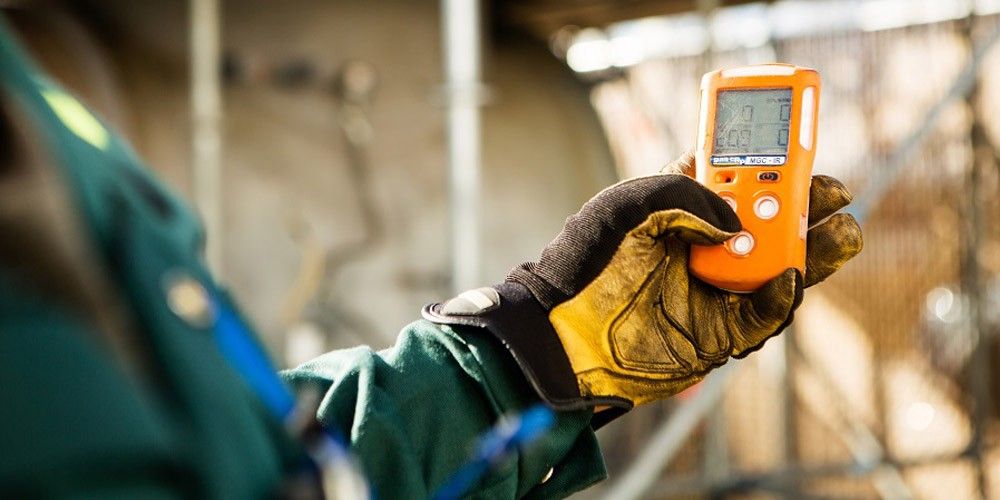
Industrial environments often involve processes that release gases—some flammable, some toxic, and others capable of displacing oxygen. In sectors such as oil and gas, manufacturing, marine operations, wastewater treatment, mining, and chemical processing, exposure to hazardous gases can pose serious safety risks.
What Are Industrial Gas Detection Systems?
Industrial gas detection systems are devices or networks of devices that detect the presence and concentration of specific gases in a workplace. These systems help prevent accidents such as explosions, toxic exposure, oxygen deficiency, and environmental contamination.
They typically consist of:
-
Sensors that detect gas concentration
-
Controllers that interpret signals
-
Alarm systems (visual, audible, or digital alerts)
-
Data logging and reporting systems
Gas detectors may be portable, fixed, or integrated into broader industrial monitoring platforms.
Why Gas Detection Is Important Across Industries
Gas detection systems support workplace safety and regulatory compliance. Their role varies by industry:
| Industry | Common Gases Monitored | Key Purpose |
|---|---|---|
| Oil & Gas | Methane, hydrogen sulfide | Explosion prevention |
| Manufacturing | Carbon monoxide, solvents | Worker safety |
| Marine | Fuel vapors, oxygen levels | Confined space safety |
| Mining | Methane, carbon monoxide | Fire and explosion prevention |
| Wastewater | Hydrogen sulfide, methane | Toxic exposure monitoring |
| Chemical Processing | Ammonia, chlorine | Leak detection |
Monitoring helps prevent incidents that can lead to injury, equipment damage, downtime, or environmental harm.
Types of Industrial Gas Detection Systems
Industrial gas detection systems can be categorized in several ways.
1. By Installation Type
Fixed Gas Detection Systems
Installed permanently in facilities. Suitable for continuous monitoring in high-risk zones.
Portable Gas Detectors
Handheld or wearable devices used by workers for temporary or mobile monitoring.
Transportable Systems
Temporary setups used during maintenance or short-term projects.
2. By Gas Type Detected
-
Combustible gas detectors
-
Toxic gas detectors
-
Oxygen level monitors
-
Multi-gas detectors (commonly 4-gas monitors)
3. By Sensor Technology
| Sensor Type | Best For | Characteristics |
|---|---|---|
| Electrochemical | Toxic gases | Accurate, low power use |
| Infrared (IR) | Hydrocarbons, CO2 | Stable, long life |
| Catalytic bead | Combustible gases | Common, cost-effective |
| Photoionization (PID) | VOCs | Sensitive to low levels |
| Semiconductor | General detection | Broad detection range |
Each technology has advantages depending on the gas type and environmental conditions.
Smart Gas Detection Technologies
Modern industrial gas detection systems increasingly integrate digital and networked features.
Wireless Connectivity
Wireless systems reduce installation complexity and allow real-time alerts across large facilities.
IoT Integration
Sensors can connect to cloud platforms for data storage, analysis, and predictive maintenance.
Remote Monitoring
Supervisors can monitor multiple locations from centralized dashboards.
Data Analytics
Trend analysis helps identify recurring leaks or maintenance issues.
Automated Calibration Alerts
Smart systems notify maintenance teams when calibration is required.
These features enhance both safety and operational efficiency.
Benefits of Industrial Gas Detection Systems
Improved Workplace Safety
Continuous monitoring reduces the likelihood of undetected leaks.
Regulatory Compliance
Helps organizations comply with occupational safety regulations.
Early Leak Detection
Identifies small leaks before they escalate.
Reduced Downtime
Prevents shutdowns caused by major safety incidents.
Data-Driven Maintenance
Historical data supports informed maintenance decisions.
Limitations and Challenges
Despite their value, gas detection systems have constraints.
Sensor Drift
Sensors may lose accuracy over time and require calibration.
Environmental Interference
Humidity, dust, and temperature extremes can affect performance.
Maintenance Requirements
Regular calibration and testing are essential.
Initial Investment
Installation of fixed systems can require infrastructure planning.
Understanding these limitations helps organizations plan realistic safety programs.
Key Features to Consider
When evaluating industrial gas detection systems, consider:
-
Type of gases present
-
Required detection range and sensitivity
-
Environmental conditions (temperature, humidity, corrosive atmosphere)
-
Alarm response time
-
Integration with existing safety systems
-
Scalability for facility expansion
-
Certification and compliance standards
Comparison: Fixed vs Portable Gas Detection
| Feature | Fixed Systems | Portable Systems |
|---|---|---|
| Monitoring | Continuous | On-demand |
| Installation | Permanent | No installation |
| Mobility | Stationary | Highly mobile |
| Coverage | Area-wide | Worker-level |
| Maintenance | Scheduled service | Battery and calibration checks |
Many facilities use both types to achieve layered protection.
Applications Across Industries
Oil and Gas Operations
Monitor flammable gases in drilling sites and refineries.
Marine Environments
Detect fuel vapors and oxygen levels in confined spaces.
Manufacturing Plants
Monitor carbon monoxide near combustion equipment.
Warehouses and Storage
Detect ammonia leaks in refrigeration systems.
Chemical Facilities
Monitor hazardous gases during production and storage.
Leading Companies and Solutions
Several established companies provide industrial gas detection systems. Public product information is available on their official websites:
-
Honeywell (https://www.honeywell.com)
-
Dräger (https://www.draeger.com)
-
MSA Safety (https://us.msasafety.com)
-
Industrial Scientific (https://www.indsci.com)
-
RAE Systems (a Honeywell brand)
Organizations should compare product specifications, certifications, support networks, and compatibility with existing systems.
How to Choose the Right Gas Detection System
Step 1: Conduct a Risk Assessment
Identify gas types, potential leak sources, and exposure scenarios.
Step 2: Define Monitoring Objectives
Continuous monitoring or periodic inspection?
Step 3: Determine Environmental Conditions
Temperature, humidity, vibration, and exposure risks matter.
Step 4: Evaluate Compliance Requirements
Check local and international safety standards.
Step 5: Consider Integration Needs
Ensure compatibility with fire alarms or building management systems.
Step 6: Plan Maintenance Strategy
Ensure access to calibration equipment and trained personnel.
Selection Checklist
Before finalizing a system:
-
Identified all hazardous gases
-
Verified detection range suitability
-
Reviewed sensor technology compatibility
-
Confirmed compliance certifications
-
Established maintenance schedule
-
Assessed scalability needs
-
Considered training requirements
Best Practices for Use and Maintenance
-
Calibrate sensors regularly according to manufacturer guidelines
-
Conduct bump tests before shifts
-
Train workers in alarm response procedures
-
Keep sensors clean and free of dust
-
Replace sensors as recommended
-
Review incident data periodically
-
Maintain documentation for inspections
Consistent maintenance is essential for reliable performance.
Frequently Asked Questions
What is a 4-gas monitor?
A 4-gas monitor typically detects oxygen, carbon monoxide, hydrogen sulfide, and combustible gases. It is commonly used in confined space entry.
How often should gas detectors be calibrated?
Calibration frequency depends on usage and manufacturer guidelines. Many facilities calibrate monthly or quarterly.
Are wireless gas detectors reliable?
Modern wireless systems are widely used and reliable when properly maintained. Network coverage and interference should be evaluated.
Can one detector monitor multiple gases?
Yes. Multi-gas detectors are common, particularly in portable units.
What industries require gas detection systems?
Industries involving combustible or toxic gases, such as oil and gas, mining, marine, chemical manufacturing, and wastewater treatment, commonly require monitoring systems.
Do gas detectors prevent leaks?
They do not prevent leaks but provide early warning to reduce risks and enable faster response.
Emerging Trends
-
AI-assisted predictive maintenance
-
Integration with building management systems
-
Miniaturized wearable sensors
-
Real-time cloud dashboards
-
Enhanced battery efficiency
-
Environmental sustainability considerations
These developments reflect broader digital transformation trends in industrial safety.
Practical Takeaway
Industrial gas detection systems play a critical role in maintaining safe workplaces across multiple industries. From fixed installations in refineries to portable monitors used in confined spaces, these systems provide essential early warning capabilities.
Choosing the right system requires careful assessment of gas types, environmental conditions, regulatory requirements, and maintenance capacity. Smart technologies have expanded monitoring capabilities, but effectiveness still depends on proper calibration, training, and oversight.
For organizations operating in environments where hazardous gases may be present, investing time in understanding detection technologies and implementing structured safety practices can contribute significantly to workplace protection and operational continuity.