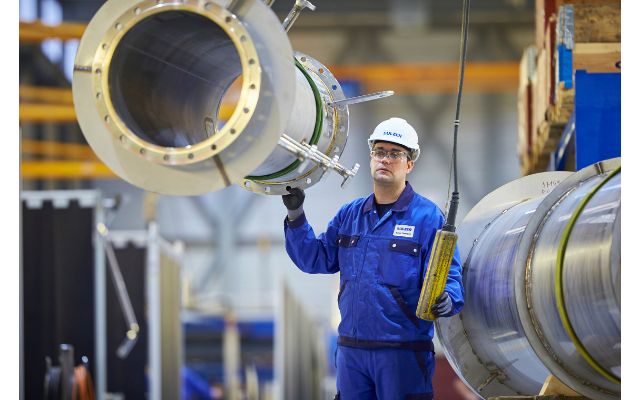
Extrusion is one of the most widely used industrial manufacturing processes for shaping materials into continuous profiles. From steel tubes in construction to PET sheets used in packaging and prototype plastic parts used in product development, extrusion supports a broad range of industries.
What Is Industrial Extrusion?
Industrial extrusion is a forming process where raw material is pushed or drawn through a die to create a continuous shape. The process can be used for metals, plastics, polymers, and even composite materials.
Typical examples include:
-
Steel tube extrusion for structural and industrial piping
-
Aluminum extrusion for frames, heat sinks, and components
-
PET sheet extrusion for packaging and thermoforming
-
Stock plastic extrusion for standard profiles and trims
-
Prototype plastic extrusions for testing new designs
Extrusion is valued for its ability to create uniform shapes with minimal waste and consistent dimensional accuracy.
Benefits of Industrial Extrusion
Extrusion offers several practical advantages that make it suitable for both large-scale production and early-stage prototyping.
1. Efficient Continuous Production
Extrusion produces long, uniform sections without interruption, making it ideal for high-volume manufacturing.
2. Material Versatility
A wide range of materials can be extruded, including:
-
Steel
-
Aluminum
-
PVC
-
PET
-
Polyethylene
-
ABS
-
Nylon
3. Design Flexibility
Complex cross-sections can be produced with a single die, reducing the need for machining or assembly.
4. Cost Efficiency at Scale
Once tooling is created, extrusion allows for relatively low per-unit costs in long production runs.
5. Suitable for Prototyping
Small-run prototype extrusions allow manufacturers to test dimensions, strength, and fit before mass production.
Limitations of Extrusion
Despite its advantages, extrusion also has some practical constraints.
1. Tooling Costs
Custom dies can be expensive, especially for small projects or unique shapes.
2. Shape Restrictions
Extrusion works best for constant cross-sections. Parts that vary in thickness or geometry may require secondary processes.
3. Surface Finish Variability
Some extruded materials require additional finishing steps such as cutting, polishing, or coating.
4. Material Limitations
Certain high-strength alloys or composites may be difficult or expensive to extrude.
Main Types of Industrial Extrusion
Metal Extrusion
Metal extrusion is commonly used for structural components and industrial products.
Steel Tube Extrusion
-
Used in construction, oil pipelines, machinery, and structural supports
-
Offers high strength and durability
Aluminum Extrusion
-
Widely used in transportation, electronics, and building systems
-
Lightweight with good corrosion resistance
-
Suitable for prototyping custom profiles
Plastic Extrusion
Plastic extrusion is used for packaging, insulation, consumer products, and industrial components.
PET Sheet Extrusion
-
Used in food packaging, trays, containers, and thermoformed products
-
Known for clarity and recyclability
Stock Plastic Extrusion
-
Standard shapes such as rods, tubes, trims, and channels
-
Often used in construction and equipment manufacturing
Prototype Plastic Extrusions
-
Used for testing new product designs
-
Helps evaluate strength, flexibility, and manufacturing feasibility
Comparison Table: Metal vs Plastic Extrusion
| Feature | Metal Extrusion | Plastic Extrusion |
|---|---|---|
| Strength | High structural strength | Moderate strength depending on polymer |
| Weight | Heavier (except aluminum) | Lightweight |
| Cost per unit | Higher material cost | Often lower material cost |
| Tooling complexity | Moderate to high | Moderate |
| Typical industries | Construction, automotive, infrastructure | Packaging, consumer goods, electronics |
| Prototyping use | Common for aluminum | Very common for plastics |
Latest Trends in Extrusion Technology
Extrusion processes continue to evolve with new materials and digital manufacturing techniques.
1. Precision Prototyping and Short-Run Extrusion
Manufacturers now use rapid tooling and digital simulation to produce smaller batches quickly, reducing development time.
2. Sustainable Materials and Recycling
Recycled PET and eco-friendly polymers are increasingly used in sheet extrusion, especially in packaging industries.
3. Automation and Smart Manufacturing
Extrusion lines now include sensors, AI monitoring, and automated quality control systems to reduce defects.
4. Hybrid Manufacturing Techniques
Some manufacturers combine extrusion with 3D printing, machining, or thermoforming for greater design flexibility.
Key Features to Consider When Choosing Extrusion
Before selecting an extrusion process or supplier, it helps to evaluate several factors.
Material Requirements
-
Strength needs
-
Temperature resistance
-
Environmental exposure
-
Regulatory compliance
Production Volume
-
Prototype run
-
Small batch
-
Continuous mass production
Dimensional Tolerance
-
Tight tolerances for engineering parts
-
Moderate tolerances for packaging or construction
Surface Finish Needs
-
Raw finish acceptable
-
Polished or coated finish required
Major Industrial Extrusion Companies and Solutions
Several global manufacturers specialize in extrusion technologies and equipment.
Hydro
A major aluminum solutions provider offering extrusion services for construction, transport, and industrial applications.
Arconic
Known for advanced metal forming and aluminum extrusion technologies used in aerospace and infrastructure.
Berry Global
Provides plastic extrusion solutions for packaging, films, and engineered materials.
SABIC
Supplies polymers used in sheet extrusion, packaging, and industrial plastics.
Milacron
Manufactures extrusion machinery for plastics, including systems used for sheets, pipes, and custom profiles.
When comparing suppliers, users typically look at material expertise, tooling capability, lead times, and quality certifications rather than brand alone.
How to Choose the Right Extrusion Option
Selecting the correct extrusion method depends on your project goals.
Step-by-Step Checklist
Define the product purpose
-
Structural component
-
Packaging sheet
-
Prototype testing
Select the right material
-
Metal for strength
-
Plastic for flexibility or cost control
Estimate production scale
-
Prototype or testing stage
-
Pilot batch
-
Full production run
Evaluate tooling budget
-
Custom dies may increase upfront cost
-
Stock profiles reduce initial investment
Confirm finishing needs
-
Cutting, coating, machining, or forming
Tips for Best Use and Maintenance of Extruded Products
For Metal Extrusions
-
Inspect for dimensional consistency
-
Apply corrosion protection if needed
-
Store in dry environments
-
Avoid excessive welding heat near thin sections
For Plastic Extrusions
-
Protect from UV exposure if not stabilized
-
Avoid high temperatures beyond material limits
-
Store sheets flat to prevent warping
-
Use proper cutting tools to prevent cracking
Frequently Asked Questions
Is extrusion suitable for small businesses or startups?
Yes. Prototype plastic extrusion and short-run aluminum extrusion make it possible to test designs without committing to full production volumes.
What is the difference between extrusion and molding?
Extrusion produces continuous shapes with a fixed cross-section, while molding forms individual parts inside a cavity.
How long does it take to create an extrusion die?
Tooling can take anywhere from a few days for simple shapes to several weeks for complex profiles.
Are recycled materials commonly used in extrusion?
Yes. Many industries now use recycled PET, polyethylene, and aluminum in extrusion processes to reduce environmental impact.
Can extrusion produce complex shapes?
Yes, but the complexity must remain consistent along the length of the part. Shapes that change along the profile may require secondary processes.
Conclusion: A Practical View of Industrial Extrusion
Industrial extrusion remains one of the most practical and scalable manufacturing methods available today. Its ability to produce consistent shapes, support multiple materials, and adapt to both prototyping and mass production makes it useful across many industries.
Whether the goal is creating steel tubes for infrastructure, PET sheets for packaging, or prototype plastic components for new products, extrusion offers a reliable and efficient approach. The key to success lies in choosing the right material, understanding tooling requirements, and matching the process to production needs.
With ongoing advances in automation, sustainability, and rapid tooling, extrusion is likely to remain a core manufacturing technique for years to come.