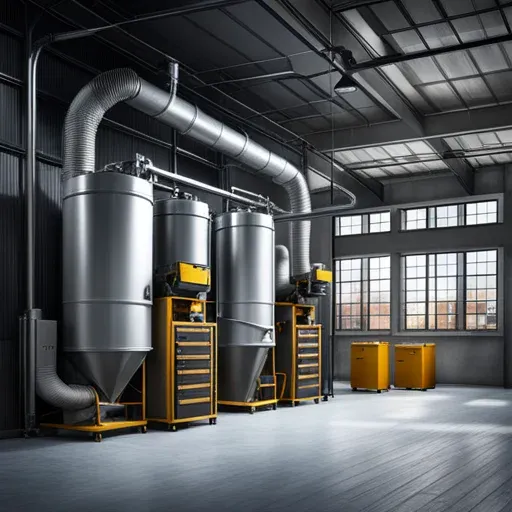
Industrial operations — from metal fabrication to warehouse storage and aluminum processing — often produce dust and particulate matter that can affect worker health, equipment longevity, and regulatory compliance. Industrial dust control systems are designed to capture, filter, and remove airborne dust and particulates at the source or in the air stream, creating cleaner, safer working environments and supporting efficient operations. The right dust collection approach not only minimizes respiratory risks and fire hazards, but also helps businesses meet environmental and workplace standards
Benefits and Limitations
Benefits
Industrial dust control systems yield several important advantages:
-
Improved Air Quality: These systems capture and remove fine particulates from the air, reducing respiratory health risks for workers.
-
Health and Safety Support: By reducing the concentration of airborne dust, industrial dust collectors help create a healthier and safer environment.
-
Regulatory Compliance: Many industries are required to meet air quality and workplace safety standards set by authorities such as OSHA, NFPA, and EPA. Proper dust control assists facilities in achieving these standards.
-
Equipment Preservation: Dust accumulation on machinery can contribute to wear and tear, overheating, or breakdowns. Removing dust helps extend equipment life and reduce maintenance costs.
-
Process Efficiency: Cleaner air and surfaces support smoother operations, with less downtime due to cleaning interruptions or dust-related issues.
-
Fire and Explosion Risk Reduction: Combustible dust in environments such as metalworking or wood processing poses fire risks; dust control systems help mitigate these hazards.
Limitations
Despite the benefits, dust control systems also have limitations:
-
Upfront Costs: Installing a comprehensive dust collection system can represent a significant capital investment, particularly in large facilities.
-
Maintenance Requirements: Filters, fans, and other system components require regular inspection, cleaning, and replacement to maintain performance.
-
Space Needs: Some systems, especially centralized units, require adequate space for installation and ducting.
-
Complexity in Selection: Choosing the right system depends on dust type, airflow, regulatory requirements, and facility layout, which can complicate decision-making.
Types or Categories of Dust Control Systems
Industrial dust control systems range from simple units to complex networked installations, and are chosen based on the dust characteristics, volume, and industry needs.
Cyclone Dust Collectors
Cyclone dust collectors use centrifugal force to separate dust particles from an air stream. As dusty air enters the cylindrical chamber, heavier particles are forced to the outer wall and fall into a collection bin, while cleaner air exits the top. They are robust and require relatively low maintenance.
Baghouse Filters
Baghouse collectors use a series of fabric filter bags to trap particulates. Dust-laden air passes through the fabric; dust accumulates on the surface of the bags and is periodically removed by shaking, reverse air, or pulse jets. Baghouses can achieve very high collection efficiency, even for fine particles.
Cartridge Filters
Cartridge systems use pleated filter elements that provide a large surface area for dust capture. These compact collectors are suitable for fine, dry dust and can be easier to maintain than some larger systems.
Electrostatic Precipitators (ESPs)
Electrostatic precipitators electrically charge incoming particles and collect them on oppositely charged plates. They are effective for very fine particles and can operate with high efficiency, but require careful maintenance and energy supply systems.
Wet Scrubbers and Venturi Systems
Wet scrubbers, including Venturi scrubbers, use liquid spray to capture dust and pollutants from an air stream. They are especially useful for sticky or corrosive dust types and work by forcing dust to contact liquid droplets, which remove particles from the gas.
Localized Extractors
For situations such as welding stations or precision machining areas, localized or portable dust extractors capture dust right at the source before it disperses into the workspace. This approach can improve local air quality without updating entire central systems.
Latest Trends and Innovations
Dust control technologies are evolving with advancements in efficiency, automation, and sustainability:
-
Automatic Filter Cleaning: Modern systems incorporate automated mechanisms that clean filters without shutdowns, preserving continuous airflow and reducing maintenance time.
-
Integrated Monitoring: Sensors and control systems track airflow, pressure drops, and filter condition in real time, supporting proactive maintenance.
-
Energy Efficiency: Newer fans and system designs aim to reduce energy consumption while maintaining filtration performance.
-
Modular Designs: Systems with modular components facilitate scalability and adaptability to changing facility demands.
-
Explosion-Proof Features: In industries handling combustible dust (such as metal or wood), equipment with specialized safety ratings is increasingly common.
Key Features to Consider
When evaluating dust control systems, consider these critical features:
Filtration Efficiency
Different applications require different filtration performance levels. Fine dust applications often benefit from high-efficiency filters like baghouses or ESPs.
Airflow Capacity
Measured in cubic feet per minute (CFM) or cubic meters per hour (m³/h), airflow capacity determines how much air the system can handle — matching this to your facility’s needs is essential.
Dust Type Compatibility
Dust size, moisture content, and abrasiveness influence the choice of collector type. For example, dry particulates might be addressed with fabric filters, while wet or sticky dust may be better suited to wet scrubber systems.
Maintenance Accessibility
Systems should allow easy access to filters, hoppers, and fans for cleaning, inspection, and replacement.
Compliance and Safety Standards
Equipment should meet applicable safety and environmental regulations, especially in industries with combustible dust concerns.
Scalability
Facilities with growth plans may benefit from modular systems that can expand or upgrade without complete replacement.
Comparison Table: Dust Control System Types
| System Type | Best Suited For | Strengths | Limitations |
|---|---|---|---|
| Cyclone Dust Collectors | Coarse and moderate dust loads | Durable, low maintenance | Lower efficiency for very fine dust |
| Baghouse Filters | Fine dust in high volumes | High filtration efficiency | Larger footprint, requires maintenance |
| Cartridge Filters | Fine, dry dust | Compact, ease of replacement | Filter life limited by dust load |
| Electrostatic Precipitators | Ultra-fine particles | Can handle high dust loads | Sensitive to operating conditions |
| Wet Scrubbers | Sticky or corrosive dust | Effective for challenging dust types | Requires liquid handling and disposal |
Top Entities and Solutions
While this article does not endorse specific vendors, the following types of sources and organizations are relevant for further research into dust control systems:
-
Industrial Dust Collector Catalogs and Suppliers: Comprehensive product information on collector types and specifications is often available through industrial supply platforms.
-
Manufacturer Technical Sections: Many equipment manufacturers publish detailed guides on their systems and application use cases.
-
Industry Standards Bodies: Organizations such as OSHA, NFPA, and EPA provide guidance on regulatory requirements and safety specifications related to dust control.
Readers seeking specific manufacturer links or comparisons can consult industrial equipment directories or independent review sources that list system specifications by category.
How to Choose the Right Option
Selecting an appropriate dust control system involves several steps:
1. Identify Dust Characteristics
Determine particle size range, moisture content, and whether dust is combustible or hazardous.
2. Estimate Airflow Needs
Assess the volume of air to be processed based on the facility size and number of dust generation points.
3. Match System Type to Application
Use the dust type and environment to guide whether a cyclone, baghouse, cartridge, ESP, or wet system is most appropriate.
4. Evaluate Installation Requirements
Check if your facility can accommodate the space, ducting, and power needs of the chosen system.
5. Consider Long-Term Costs
Weigh maintenance, filter replacements, and energy use over time, not just initial purchase price.
6. Check Compliance Standards
Ensure your selected solution meets applicable workplace safety and environmental regulations.
Tips for Best Use and Maintenance
Effective usage and proactive maintenance are key to maximizing performance:
Routine Inspections
Inspect filters and hoppers regularly to prevent buildup and ensure airflow remains within operational parameters.
Scheduled Cleaning
Clean or replace filters according to manufacturer guidelines, especially in high-dust environments.
Monitor System Performance
Keep an eye on pressure differentials and airflow rates, as deviations may indicate clogs or component wear.
Follow Safety Protocols
Use appropriate PPE when servicing systems containing hazardous dust, and follow lockout/tagout procedures.
Proper Dust Disposal
Dispose of collected dust according to local regulations, especially if it is hazardous or combustible.
Frequently Asked Questions
What is an industrial dust control system?
An industrial dust control system captures and removes airborne dust from processes, improving air quality and worker safety while aiding compliance with regulatory standards.
Why is dust control important in metal and aluminum industries?
Metalworking and aluminum processing produce fine particulates that can affect product quality, machine performance, and respiratory health. Proper dust control reduces these risks.
Can dust control systems reduce fire risk?
Yes, capturing combustible dust before it accumulates reduces the risk of fire and explosion in industrial environments.
Which system is best for fine dust?
Baghouse filters and electrostatic precipitators are often recommended for fine particulate matter based on application needs and airflow capacity.
Is maintenance difficult for these systems?
Maintenance varies by system type, but regular filter and component checks are essential for optimal performance and safety.
Conclusion: Reflective or Practical Takeaway
Industrial dust control systems are fundamental to modern industrial operations where dust and particulates are byproducts of manufacturing, storage, or processing. By understanding system types, benefits, limitations, and key selection criteria, facility managers and safety professionals can make informed decisions that protect worker health, support operational efficiency, and meet environmental and safety standards.
Investing in thoughtful system choice, regular maintenance, and compliance checks contributes to a cleaner, safer industrial environment — fostering productivity and long-term sustainability. Dust control is not merely a regulatory requirement; it is a practical part of maintaining a healthy workplace and resilient industrial operations.