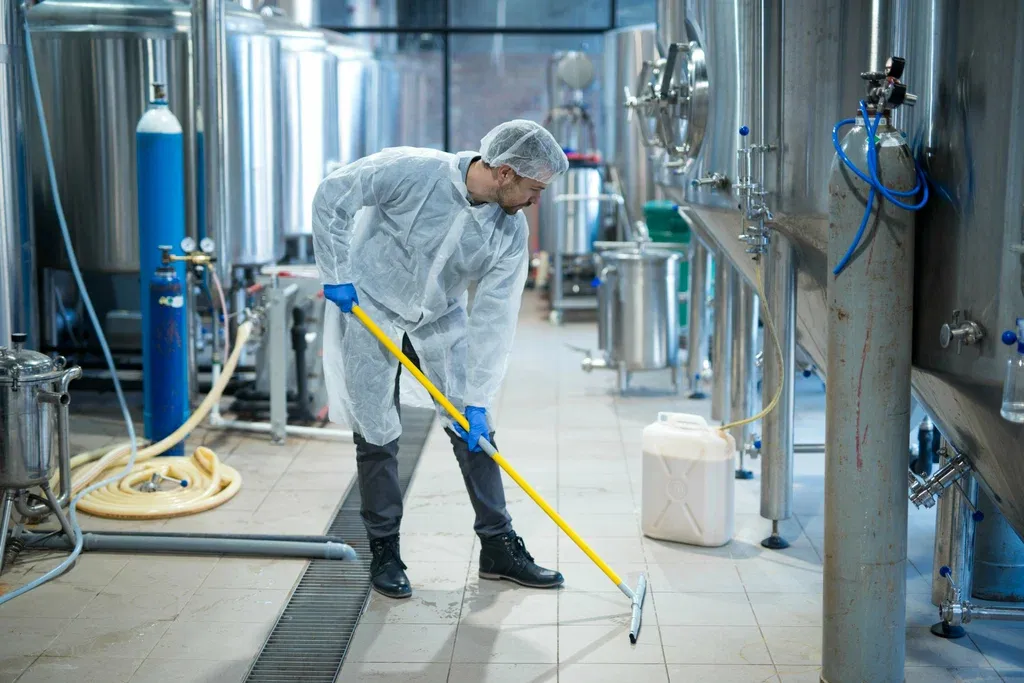
Industrial cleaning refers to the professional and systematic cleaning of facilities, equipment, and surfaces in industrial settings. Unlike standard residential or commercial cleaning, industrial cleaning addresses heavy-duty environments such as warehouses, factories, production lines, grease traps, and more complex systems involving machinery and hazardous materials. These cleaning activities are essential for operational safety, equipment longevity, compliance with health and safety regulations, and overall workplace hygiene.
Benefits and Limitations of Industrial Cleaning
Benefits
Industrial cleaning services and methods offer several practical advantages:
-
Improved Safety: Clean environments reduce slip and fall hazards and help prevent equipment malfunctions caused by buildup of grime or grease.
-
Regulatory Compliance: Professional cleaning helps industrial facilities meet strict health, safety, and environmental standards.
-
Operational Efficiency: Well-maintained machines and clean floors or spaces often operate more reliably and with reduced risk of breakdown.
-
Better Product Quality: In industries such as food processing or pharmaceuticals, cleanliness directly affects product safety and quality.
-
Extended Equipment Life: Regular cleaning helps prevent corrosion and premature wear on expensive machinery.
Limitations
Despite the benefits, industrial cleaning also carries limitations:
-
Cost and Resource Intensity: Some methods require specialized equipment, trained staff, and significant effort, particularly for deep or hazardous cleaning.
-
Safety Risks: Handling heavy equipment, high-pressure water jets, chemicals, or enclosed spaces demands proper safety protocols.
-
Surface Sensitivity: Aggressive methods like abrasive blasting may not be suitable for all materials or surfaces.
-
Environmental Considerations: Some cleaning agents or techniques can have environmental impacts if not managed under proper controls.
Types or Categories of Industrial Cleaning Methods
Industrial cleaning includes a wide range of methods, each suited to specific contexts and contaminants. Some common techniques include:
High-Pressure Washing
High-pressure washing uses strong water jets to remove dirt, grime, oil, and other residues from surfaces. It is commonly applied to floors, walls, and heavy machinery surfaces where robust cleaning is necessary.
Floor Scrubbing
Automated floor scrubbers inject water and cleaning solutions while scrubbing and drying floors in one pass. They are particularly useful in large warehouse or production areas.
Hydroblasting
Hydroblasting (water blasting) uses controlled high-pressure water to clean surfaces and equipment such as tanks, pipes, and industrial vessels. It is effective without the use of harsh chemical cleaners.
Ultrasonic Cleaning
Ultrasonic cleaning uses high-frequency sound waves in a liquid medium to create microscopic cavitation bubbles that remove contaminants from intricate parts or components. This method is especially useful for precision cleaning applications in manufacturing or metalworking.
Chemical Cleaning
Chemical cleaning involves specialized solutions to dissolve stubborn residue, grease, or buildup. It is often paired with other cleaning techniques and selected based on surface and contaminant type.
Abrasive and Media Blasting
Methods such as dry-ice blasting, sandblasting, or ice blasting accelerate particles against a surface to remove heavy deposits, rust, or coating. Dry-ice blasting, for example, is nonabrasive and does not leave secondary waste.
Parts Washing
Parts washers use automated systems to clean, rinse, and dry components. They are designed for industrial components, offering controlled removal of oils, grease, and debris from parts of various sizes.
Latest Trends and Innovations
Industrial cleaning continues to evolve with technological and environmental advancements. Some notable trends include:
Automation and Robotics
Automation is increasingly used to handle repetitive or high-risk cleaning tasks. Autonomous scrubbers, robotic cleaners, and AI-driven monitoring systems improve consistency and reduce labor dependency.
Eco-Friendly and Green Cleaning
Sustainability is a growing focus, with companies adopting biodegradable cleaning agents and processes that reduce chemical waste and water usage.
Predictive Maintenance and Data Integration
Data-driven cleaning enables predictive maintenance — identifying when machines or areas need cleaning before performance degrades — improving safety and reducing downtime.
Digital Tools and Monitoring
Digital dashboards and IoT tools help manage cleaning schedules, track compliance, and monitor performance in real time.
Worker Health and Safety
Improved safety measures for cleaning staff, including better protective equipment and training, aim to reduce exposure to hazardous materials and ergonomic risks.
Key Features to Consider
When evaluating industrial cleaning methods or service providers, consider these features:
Compliance with Standards
Ensure that the cleaning method and provider conform to relevant health, safety, and environmental regulations in your region.
Scope and Purpose
Match the cleaning technique to your specific need — whether it is surface cleaning, deep machinery cleaning, floor scrubbing, or hazardous waste removal.
Equipment and Technology
Assess the type of equipment involved — from pressure washers and floor scrubbers to ultrasonic tanks and robotic cleaning systems — and how they fit your facility’s layout.
Safety Protocols
Look at the provider’s safety procedures for handling chemical agents, high-pressure systems, or enclosed space cleaning.
Environmental Impact
Consider eco-friendly options to reduce chemical waste and water usage where possible.
Training and Expertise
Providers should demonstrate proven training and experience in handling the specific types of industrial cleaning required.
Comparison Table: Industrial Cleaning Methods
| Method | Typical Use | Strengths | Limitations |
|---|---|---|---|
| High-Pressure Washing | Exterior surfaces, floors | Rapid removal of grime | May require containment for runoff |
| Floor Scrubbing | Large warehouse floors | Efficient and thorough | Requires power and space |
| Hydroblasting | Tanks, pipes | Deep clean without harsh chemicals | Needs trained operators |
| Ultrasonic Cleaning | Small parts, precision surfaces | Penetrates difficult areas | Typically for smaller components |
| Chemical Cleaning | Grease and residues | Effective on stubborn contaminants | Chemical handling and disposal concerns |
| Dry-Ice/Ice Blasting | Heavy buildup, surface prep | Nonabrasive, less waste (dry-ice) | Specialized equipment, trained staff |
Top Service Providers and Solutions
Industrial cleaning service providers offer a range of services from routine cleaning to specialized deep-clean operations. The following are commonly referenced types of companies or service models (public resources available for further research):
-
Facility Maintenance Firms: These companies provide comprehensive cleaning solutions for warehouses, manufacturing plants, and industrial complexes. They cover floor care, deep cleaning, tank cleaning, and more.
-
Specialized Cleaning Contractors: Focused on specific services like pressure washing, hydroblasting, or ultrasonic cleaning tanks.
-
Janitorial and Commercial Cleaners with Industrial Divisions: Some commercial cleaning firms extend services to include industrial environments, with teams trained for heavier demands.
-
Equipment Suppliers: Manufacturers and distributors offer cleaning equipment such as floor scrubbers, pressure washers, ultrasonic tanks, and parts washers for in-house use or third-party operations.
Links to individual providers are context-dependent and vary by country or region. Trade associations or industry directories are useful ways to locate certified companies that match specific cleaning needs.
How to Choose the Right Option
Selecting the right industrial cleaning method or service provider depends on several factors:
1. Assess the Environment
Determine the type of space, frequency of cleaning required, and the nature of contaminants. Floors, grease traps, production lines, and precision parts all have different needs.
2. Define Scope and Budget
Identify whether you need one-time deep cleaning, regular scheduled services, or a mix of methods.
3. Verify Credentials
Check certifications, safety training, equipment quality, and compliance with standards.
4. Match Techniques to Needs
Align methods like hydroblasting, ultrasonic cleaning, or chemical cleaning with the specific challenge at hand.
5. Ask for References
Providers with documented experience in similar facilities often deliver more predictable results.
6. Consider Long-Term Maintenance
Beyond initial cleaning, evaluate routines, schedules, and preventive cleaning plans.
Maintenance Tips and Best Practices
Effective cleaning is not just about method selection — regular maintenance helps facilities stay safe and productive.
Routine Inspections
Frequently inspect floors, machinery surfaces, and hidden spaces to identify areas needing attention.
Training and Safety Protocols
Ensure staff or service providers follow proper PPE use and safety standards for hazardous substances.
Environmental Controls
Implement containment measures for wastewater or chemical discharge, especially when working with pressure washing or chemical cleaning.
Scheduling
Establish cleaning schedules that minimize disruption to operations while maintaining cleanliness.
Documentation
Use checklists and logs to track cleaning activities, equipment maintenance, and safety checks.
Frequently Asked Questions
What is the difference between industrial and commercial cleaning?
Industrial cleaning mainly addresses heavy machinery, equipment, and high-risk environments, while commercial cleaning focuses on offices and public spaces.
Can ultrasonic cleaning be used for large industrial parts?
Ultrasonic cleaning is typically used for smaller components or precision parts; larger systems exist but require custom solutions.
Is high-pressure washing safe for all surfaces?
While effective, high-pressure washing may not be suitable for delicate surfaces without proper controls.
Do cleaning service providers handle hazardous materials?
Trained providers may offer hazardous cleanup services, but strict safety protocols must be followed.
How often should industrial cleaning occur?
Frequency depends on facility usage, contamination levels, and safety requirements; regular schedules help maintain standards.
Conclusion: Reflective Takeaway
Industrial cleaning encompasses a spectrum of methods, from high-pressure washing and ultrasonic tanks to hydroblasting and deep surface care. Each technique has strengths and limitations, and choosing the right option requires understanding the facility’s needs and compliance standards.
By considering environmental impact, equipment capabilities, and safety practices, facility managers and stakeholders can develop effective cleaning strategies that support productivity and safety. Regular maintenance, thoughtful scheduling, and informed provider selection form the foundation of a clean, compliant, and operationally efficient industrial environment.