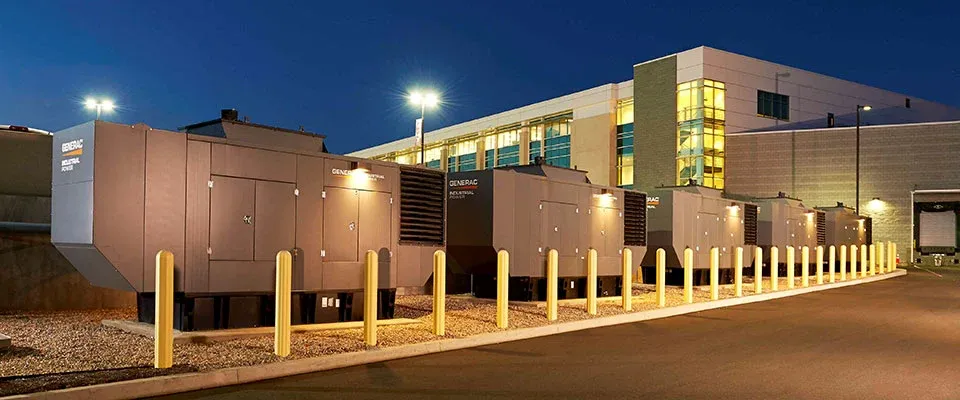
Reliable electricity is essential for modern industry. Manufacturing plants, hospitals, warehouses, data centers, and infrastructure facilities all depend on continuous power to maintain operations, safety systems, and productivity. When grid electricity fails, backup and emergency generators step in to keep essential equipment running.
Why Industrial Backup Generators Matter
1. Preventing operational downtime
Power interruptions can halt production lines, damage materials, interrupt refrigeration, and disrupt automated systems. Backup generators help reduce these risks by restoring electricity quickly.
2. Protecting safety systems
Fire protection, ventilation, medical equipment, and security systems often require uninterrupted power. Emergency generators ensure these critical functions continue during outages.
3. Maintaining business continuity
Facilities that rely on digital infrastructure or sensitive processes can experience financial losses from even short outages. Backup power allows essential operations to continue until grid power returns.
Benefits of Industrial Generator Systems
-
Provide rapid power restoration during outages
-
Support critical operations and safety systems
-
Allow controlled shutdowns instead of abrupt stoppages
-
Reduce losses from production delays or spoilage
-
Improve reliability in remote or unstable grid locations
These systems are especially important in industries where power reliability directly affects safety or product quality.
Limitations to Consider
Despite their value, generator systems have practical constraints:
-
High installation and equipment costs
-
Ongoing fuel expenses and maintenance requirements
-
Noise and emissions considerations
-
Space requirements for storage and ventilation
-
Need for trained operators or monitoring systems
Understanding these factors helps organizations choose appropriate generator capacity and design.
Types of Industrial Backup and Emergency Generators
Diesel Generators
Diesel generators are widely used in industrial facilities due to their durability and high power output.
Key characteristics
-
Strong performance under heavy loads
-
Reliable for long runtimes
-
Fuel-efficient compared to many alternatives
-
Often used in manufacturing plants and construction sites
Limitations
-
Higher emissions compared to gas systems
-
Fuel storage requirements
-
Noise levels can be significant without sound enclosures
Diesel generators are typically chosen when reliability and high output capacity are priorities.
Natural Gas Generators
Natural gas generators are connected to municipal gas lines or onsite gas storage.
Key characteristics
-
Lower emissions than diesel systems
-
Continuous fuel supply if connected to pipeline
-
Cleaner combustion reduces engine wear
-
Suitable for urban or environmentally regulated areas
Limitations
-
Slightly lower energy density than diesel
-
Performance depends on gas supply stability
-
Installation may require gas infrastructure upgrades
Natural gas systems are often selected for facilities seeking cleaner energy profiles and steady fuel access.
Standby Generator Systems
Standby generators are permanently installed units that automatically activate when grid power fails. They are commonly paired with automatic transfer switches.
Key characteristics
-
Fully automated operation
-
Designed for emergency backup rather than continuous use
-
Can power entire facilities or selected critical circuits
-
Often used in hospitals, data centers, and utilities
Limitations
-
Higher upfront installation costs
-
Requires integration with facility electrical systems
-
Needs routine testing to ensure readiness
Standby generators are considered essential in locations where power loss poses safety or operational risks.
Container Generator Systems
Containerized generators are installed inside shipping-container-style enclosures. These units are modular and transportable.
Key characteristics
-
Portable and easy to deploy
-
Weather-protected and sound-reduced enclosures
-
Suitable for temporary or remote projects
-
Can house generators, fuel tanks, and control panels in one unit
Limitations
-
May require site preparation for placement
-
Transport logistics must be planned
-
Cooling and ventilation must be properly configured
Container systems are widely used in construction projects, mining sites, and emergency response operations.
Comparison Table: Generator Types
| Generator Type | Best For | Fuel Source | Installation Style | Key Advantage |
|---|---|---|---|---|
| Diesel | Heavy industrial loads | Diesel fuel | Fixed or portable | High reliability and power output |
| Natural Gas | Urban facilities | Pipeline gas | Fixed installation | Cleaner emissions and steady supply |
| Standby | Critical backup needs | Diesel or gas | Permanent system | Automatic activation during outages |
| Container | Remote or temporary sites | Diesel or gas | Modular portable unit | Mobility and rapid deployment |
Key Features to Consider
Power capacity and load requirements
Facilities must calculate total electrical demand and determine whether the generator should power the entire site or only essential systems. Oversizing can increase costs, while undersizing risks overload.
Runtime and fuel storage
Some generators are designed for short emergency use, while others support extended operation. Fuel tank size, refueling logistics, and consumption rate should all be considered.
Automation and monitoring
Modern systems may include:
-
Automatic transfer switches
-
Remote monitoring dashboards
-
Load management controls
-
Self-testing schedules
These features improve reliability and reduce the need for manual intervention.
Noise and enclosure design
Industrial generators can produce significant noise. Soundproof enclosures, container housings, or isolated placement areas help reduce workplace impact.
Latest Trends in Industrial Generator Systems
Hybrid backup systems
Some facilities now combine generators with battery storage or energy management systems. This allows short outages to be handled by batteries, while generators support longer events.
Cleaner fuel technologies
Manufacturers are focusing on lower-emission engines and alternative fuels to meet environmental regulations.
Smart monitoring systems
Digital dashboards and sensors allow operators to track fuel use, runtime hours, temperature, and performance data remotely.
Modular generator designs
Containerized and scalable systems allow facilities to expand backup capacity as power needs grow.
Top Companies and Solutions
Several global manufacturers produce industrial generators and backup power systems used across industries:
-
Caterpillar
-
Cummins
-
Generac Industrial Power
-
Kohler Power Systems
-
MTU Onsite Energy
These companies provide diesel, gas, standby, and modular generator systems with publicly available specifications and comparison information on their websites. When comparing providers, organizations typically evaluate service support, spare parts availability, warranty coverage, and fuel efficiency rather than just purchase price.
How to Choose the Right Generator System
Step 1: Identify critical loads
Determine which equipment must remain powered during an outage. This defines the minimum generator capacity required.
Step 2: Assess outage risk and duration
Frequent or long outages may justify larger fuel storage or continuous-duty systems.
Step 3: Consider site location
Urban facilities may favor natural gas systems, while remote locations often rely on diesel or container generators.
Step 4: Evaluate installation constraints
Space availability, ventilation requirements, noise limits, and electrical integration complexity all influence generator choice.
Checklist: Selecting an Industrial Generator
-
What is the total electrical load needed during an outage?
-
How long must backup power run?
-
Is continuous fuel supply available?
-
Will the generator be permanent or portable?
-
Are environmental regulations a concern?
-
Is automatic startup required?
-
What maintenance resources are available onsite?
Using this checklist helps match system type to operational realities.
Tips for Best Use and Maintenance
Operational tips
-
Test generators regularly under load conditions
-
Maintain clear access for fueling and servicing
-
Train staff on emergency procedures
-
Monitor runtime and performance data
Maintenance tips
-
Replace filters and fluids at recommended intervals
-
Inspect cooling and exhaust systems
-
Check fuel quality and storage conditions
-
Schedule professional inspections periodically
Routine testing and servicing are critical to ensure the generator functions properly when needed.
Frequently Asked Questions
How quickly do standby generators start during a power outage?
Most automatic standby systems begin supplying power within seconds after grid failure is detected.
Which fuel type is best for industrial generators?
Diesel is often preferred for heavy-duty applications, while natural gas is commonly chosen where pipeline access and emissions considerations are important.
Can one generator power an entire facility?
Yes, but many organizations choose to power only critical circuits to reduce system size and cost.
How often should industrial generators be tested?
Many facilities perform monthly or quarterly test runs to confirm system readiness and battery condition.
Are container generators suitable for permanent use?
They can be, but they are most commonly used in temporary or remote settings due to their portability.
Conclusion
Industrial backup and emergency generators provide a vital safety net for facilities that depend on reliable electricity. Diesel systems offer durability and high output, natural gas units provide cleaner operation, standby generators ensure automatic response during outages, and container systems support flexible deployment in diverse environments.
Selecting the right generator involves understanding power requirements, fuel options, installation constraints, and maintenance needs. When properly matched to facility demands and maintained consistently, industrial generator systems help organizations maintain stability, protect critical operations, and reduce the impact of unexpected power disruptions.