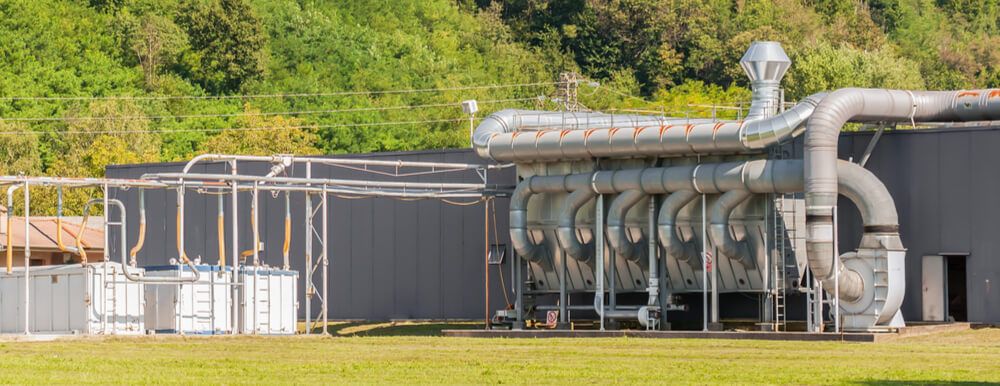
Industrial environments often produce airborne dust, fumes, oil mist, smoke, and other particulates that can affect worker health, product quality, and equipment performance. Industrial air filtration systems are designed to remove these contaminants from the air, helping facilities maintain safer working conditions and meet environmental regulations. From manufacturing plants and machine shops to construction sites and food processing facilities, these systems play a critical role in modern industrial operations. Understanding how they work, the different technologies available, and how to choose the right system can help businesses improve efficiency while reducing long-term operational risks.
What Industrial Air Filtration Systems Do
Industrial air filtration systems remove airborne contaminants from production environments or exhaust streams. These contaminants may include:
-
Fine dust from cutting, grinding, or sanding
-
Welding fumes and smoke
-
Chemical vapors and gases
-
Oil mist from machining processes
-
Fibers, powders, and industrial particulates
Many systems use multi-stage filtration, combining pre-filters, main filters, and final filters to capture particles of different sizes. Some designs also integrate electrostatic or mechanical separation methods. Industrial air cleaning systems often include fans, filters, ductwork, and collection containers to capture and store contaminants safely.
Benefits Of Industrial Air Filtration Systems
1. Improved Worker Health And Safety
Air filtration systems help reduce exposure to hazardous dust and airborne particles, lowering risks of respiratory problems and workplace illness.
2. Protection Of Equipment
Dust accumulation can damage machinery and clog sensitive components. Filtration systems reduce wear and maintenance requirements.
3. Compliance With Environmental Regulations
Many industries must control emissions and workplace air quality. Proper filtration systems help facilities meet regulatory standards.
4. Better Product Quality
Cleaner air reduces contamination risks in industries such as pharmaceuticals, food processing, electronics, and textiles.
5. Improved Operational Efficiency
Cleaner environments can lead to fewer breakdowns, better visibility, and more consistent production performance.
Limitations Of Industrial Air Filtration Systems
While essential, these systems also have some constraints:
-
High initial installation cost for large facilities
-
Ongoing filter replacement and maintenance expenses
-
Energy consumption from fans and airflow systems
-
Need for careful sizing and engineering
-
Not all systems remove gases or ultrafine particles equally
Understanding these limitations helps businesses plan realistic budgets and maintenance strategies.
Types Of Industrial Air Filtration Systems
Industrial filtration technologies vary depending on contaminant type, airflow requirements, and industry.
1. Cyclone Dust Collectors
Cyclone collectors use centrifugal force to separate dust from air streams. The airflow spins inside the chamber, pushing heavier particles outward so they fall into a collection hopper.
Best for:
-
Large particles
-
Woodworking and agriculture
-
Pre-filtration before fine filters
Strength: Durable and low maintenance
Limitation: Less effective for very fine dust
2. Baghouse (Fabric Filter) Systems
Baghouse collectors pull dusty air through fabric filter bags. The material traps particles while allowing clean air to pass.
Best for:
-
Fine industrial dust
-
Cement, mining, metal processing
-
High-volume air filtration
Strength: Very high efficiency
Limitation: Requires periodic cleaning or replacement
3. Cartridge Dust Collectors
Cartridge collectors use pleated filter cartridges made of synthetic materials. These systems capture small particles without creating excessive pressure loss in airflow systems.
Best for:
-
Fine dust from machining or manufacturing
-
Facilities with limited space
-
Modular filtration systems
4. Electrostatic Precipitators (ESP)
These systems charge airborne particles using an electrical field. Charged particles are attracted to oppositely charged plates and removed from the air stream.
Best for:
-
Smoke, soot, and very fine particles
-
Power plants and heavy industry
-
High-temperature exhaust streams
Strength: Effective for fine particles
Limitation: Higher installation complexity
5. Wet Scrubbers
Wet scrubbers remove contaminants by spraying liquid into polluted air streams. Particles bind to droplets and are collected as sludge.
Best for:
-
Chemical fumes
-
Sticky or explosive dust
-
Gas and vapor removal
Strength: Can remove both gases and particles
Limitation: Requires water treatment and disposal
Comparison Table: Industrial Filtration Types
| System Type | Best For | Efficiency | Maintenance Level | Typical Industries |
|---|---|---|---|---|
| Cyclone | Large particles | Medium | Low | Wood, agriculture, recycling |
| Baghouse | Fine dust | High | Medium–High | Cement, mining, metal |
| Cartridge | Small particles | High | Medium | Manufacturing, machining |
| ESP | Smoke/fine particulates | Very high | Medium | Power plants, heavy industry |
| Wet scrubber | Chemical fumes/gases | High | Medium–High | Chemical, pharmaceutical |
Latest Trends And Innovations
1. Smart Monitoring Systems
Modern filtration systems now include sensors that track airflow, filter condition, and emissions levels in real time.
2. Energy-Efficient Filtration
Manufacturers are designing systems with variable speed fans and optimized airflow to reduce electricity consumption.
3. Modular Filtration Units
Compact modular systems allow facilities to scale filtration capacity as production increases.
4. Hybrid Filtration Technologies
Some systems combine cyclone separators, fabric filters, and HEPA modules to handle multiple contaminants simultaneously.
5. Sustainable Filtration Materials
Recyclable filters and longer-life filter media are becoming more common as industries focus on sustainability.
Key Features To Consider
When selecting an industrial air filtration system, consider:
-
Type of contaminant (dust, fumes, mist, gas)
-
Particle size range
-
Airflow volume required
-
Installation space and duct design
-
Noise levels
-
Maintenance complexity
-
Energy consumption
-
Regulatory compliance needs
Major Industrial Filtration Companies And Solutions
Some widely known global providers include:
-
Camfil
-
Donaldson
-
Nederman
-
Parker Hannifin
-
AAF International
These companies offer a range of filtration technologies from dust collectors to full facility air purification systems. Businesses often compare systems based on airflow capacity, filter life, service availability, and total operating cost.
How To Choose The Right System
Step-by-Step Checklist
Step 1: Identify contaminants
-
Dust
-
Smoke
-
Oil mist
-
Gas or chemical vapor
Step 2: Measure airflow requirements
Calculate cubic meters per hour (CMH) or cubic feet per minute (CFM).
Step 3: Determine filtration level needed
-
Pre-filter only
-
Multi-stage filtration
-
HEPA-grade filtration
Step 4: Evaluate facility layout
Consider ceiling height, duct routing, and equipment placement.
Step 5: Plan maintenance capability
Ensure staff can manage cleaning, filter changes, and inspections.
Tips For Best Use And Maintenance
-
Inspect filters regularly for clogging
-
Maintain proper airflow balance
-
Replace filters according to manufacturer schedules
-
Monitor pressure drop across filters
-
Clean ducts and collection hoppers periodically
-
Train staff on system operation
Proper maintenance improves efficiency and extends equipment lifespan.
Frequently Asked Questions
What industries use industrial air filtration systems?
Manufacturing, pharmaceuticals, food processing, metalworking, construction, mining, and energy production all rely on air filtration.
Do these systems remove gases as well as dust?
Some systems do, especially wet scrubbers and carbon filtration units. Dust collectors alone typically focus on particulates.
How often do filters need replacement?
This depends on usage and contaminant load. Some filters last months, while others require replacement more frequently in heavy-dust environments.
Are industrial air filtration systems expensive?
Costs vary widely. Small systems may be affordable, while full facility installations require significant investment but offer long-term operational benefits.
Can one system handle multiple pollutants?
Yes. Many modern systems combine different filtration stages to handle dust, fumes, and mist together.
Conclusion
Industrial air filtration systems are a fundamental part of safe and efficient industrial operations. By removing airborne contaminants, they protect workers, improve product quality, and help businesses comply with environmental standards.
Understanding the different filtration technologies — from cyclone collectors to electrostatic precipitators — allows organizations to choose systems that match their specific operational needs. While installation and maintenance require planning, the long-term benefits in safety, compliance, and productivity make these systems a critical investment for modern industries.