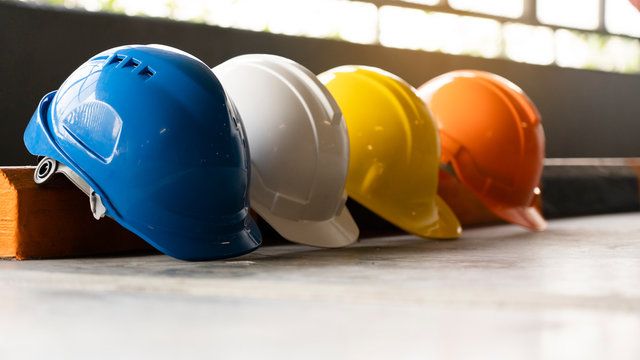
Hard hats are a type of protective headgear widely used in construction, industrial settings, and other workplaces where there is a risk of head injury from falling objects, impact, or electrical hazards. They form part of personal protective equipment (PPE) and are fundamental to workplace safety protocols in construction sites, manufacturing environments, and many other sectors that involve physical risk.
Benefits and Limitations of Hard Hats
Benefits
Hard hats are designed primarily to reduce the risk of head injury. Key benefits include:
-
Impact protection: A hard outer shell plus interior suspension system helps absorb and deflect forces from falling objects or impacts.
-
Electrical insulation: Certain hard hats are rated to provide protection against electrical shock.
-
Versatility: Used across construction, manufacturing, utilities, and other industries with risk of head injury.
-
Customization: Options exist to add features like logos or color coding.
Limitations
Despite their protective value, hard hats also have limitations:
-
Scope of protection: They are not designed to prevent all types of head injuries, such as those from extreme lateral impacts or certain falls.
-
Fit and comfort challenges: Ill-fitting hats can reduce protection or discourage consistent use.
-
Standards differences: Variability across regional certification standards may complicate selection for multinational projects.
Types and Categories of Hard Hats
Hard hats are classified in several ways that help users match features to intended use.
By Impact Protection (Types)
Standards categorize hard hats into types based on the direction of impact they are designed to resist:
-
Type I: Protects mainly against impacts from above.
-
Type II: Provides protection against both vertical and lateral impacts.
By Electrical Protection (Classes)
Hard hats may also be identified by their electrical resistance:
-
Class G (General): Provides basic impact protection and limited electrical insulation.
-
Class E (Electrical): Rated for greater electrical protection.
-
Class C (Conductive): Offers impact resistance without electrical insulation.
Design Variations
Common physical design categories include:
-
Cap-style: Front brim only, similar to a baseball cap.
-
Full brim: Wraps around for greater protection from sun and falling debris.
-
Vented or unvented: Some styles include airflow features.
Materials typically used include high-density polyethylene (HDPE), ABS plastic, polycarbonate, and sometimes fiberglass or other composites.
Latest Trends and Innovations
The hard hat industry has evolved beyond basic protection. Some current trends include:
-
Lightweight materials: Manufacturers increasingly use materials like advanced thermoplastics to reduce weight without compromising safety.
-
Customization options: Custom logos and color choices help with site identification and worker morale.
-
Enhanced comfort features: Adjustable suspension systems, padding, and sweatbands aim to improve wearability.
-
Integration with accessories: Hard hats may now accommodate attachment points for face shields, hearing protection, and lights.
-
Smart PPE developments: Though not yet widespread in basic hard hats, some advanced PPE solutions integrate sensors, lighting, or communication features in helmets.
Key Features to Consider
When evaluating hard hats from suppliers or manufacturers, several features are important beyond basic compliance:
1. Compliance and Standards
Ensure helmets meet relevant safety standards (e.g., ANSI/ISEA Z89.1 in the U.S. or equivalent regulations elsewhere).
2. Material and Durability
Look at the materials used (HDPE, ABS, polycarbonate) and how they balance strength with weight.
3. Suspension System
The internal suspension affects comfort and the ability to absorb impact. Adjustable systems can improve fit and safety.
4. Design Compatibility
Check whether the hard hat style works with additional PPE like face shields, hearing protection, or welding helmets.
5. Electrical Protection Class
Select hard hats with appropriate electrical ratings if the work involves exposure to live electrical systems.
6. Comfort and Fit
Features such as sweatbands, ventilation, adjustable straps, and padding matter for prolonged use.
Comparison Table: Common Hard Hat Features
| Feature Category | What to Consider |
|---|---|
| Protection Standards | ANSI/ISEA, EN, other regional standards |
| Impact Type | Type I vs. Type II |
| Electrical Class | Class G, E, C |
| Material | HDPE, ABS, polycarbonate |
| Design | Cap-style, full brim, vented |
| Suspension | 4-point, 6-point, ratchet vs. pin-lock |
| Accessories Compatibility | Face shields, lights, hearing protection |
Top Companies and Industry Players
Several well-known manufacturers and brands operate globally or regionally in the hard hat and safety helmet space. While the following list is not exhaustive or ranked, it highlights entities often referenced in industry information:
-
MSA Safety Incorporated – An established safety equipment manufacturer including hard hats.
-
3M Company – Produces a wide range of safety products, including head protection gear.
-
Honeywell International Inc. – Offers protective headgear and related safety equipment.
-
Bullard and JSP Limited – Noted for their focus on PPE including hard hats.
-
Pyramex Safety Products LLC – Known for affordable and widely distributed hard hats.
-
Changzhou Sunnergy Energy Technology and others from supplier listings represent manufacturers and suppliers of industrial safety headgear in various regions.
Each company or supplier may focus on slightly different market segments, geographies, or product innovations.
How to Choose the Right Hard Hat
Choosing the appropriate hard hat depends on the environment, tasks involved, and any regulatory requirements.
Step-by-Step Considerations
-
Identify Hazards: Determine whether impacts, falling objects, electrical exposure, or heat risks are present.
-
Match Standards: Select helmets that meet or exceed relevant safety standards for your location and industry.
-
Determine Protection Type: Choose between Type I or Type II depending on the impact direction likely encountered.
-
Assess Electrical Needs: If working near electrical conductors, look for higher class ratings.
-
Consider Comfort: For jobs requiring long hours, prioritize suspension adjustability and internal padding.
-
Check Compatibility: Make sure the hard hat works with other PPE you may need.
Tips for Best Use and Maintenance
Proper maintenance and use help ensure that a hard hat remains protective throughout its service life.
Best Practices
-
Regular Inspections: Check the shell and suspension for cracks, dents, or wear before use.
-
Cleaning: Use mild soap and water; avoid solvents that may weaken materials.
-
Avoid Modifications: Do not drill holes or apply paint that can hide damage or compromise material strength.
-
Replace When Needed: Follow manufacturer guidelines for service life, and replace if exposed to severe impact.
-
Store Properly: Keep in a cool, dry place away from direct sunlight and chemicals.
Frequently Asked Questions
What standards should hard hats meet?
In the U.S., most hard hats comply with ANSI/ISEA Z89.1 standards, and OSHA references these for workplace safety. Equivalent standards exist in other regions.
How long does a hard hat last?
Hard hats are usually recommended for replacement every five years or sooner if they show damage or wear.
Are hard hats only for construction?
No. They are used in many industrial environments including manufacturing, utilities, and any setting where head injury risks are present.
Can I customize a hard hat?
Yes — many suppliers offer custom printing or logos for identification or branding purposes.
Do different colors mean different roles?
In some workplaces, color coding helps identify roles (e.g., supervisors vs. general workers), though this is a site-specific practice.
Conclusion: Practical Takeaway
Hard hats remain essential safety equipment that can significantly reduce the risk of head injuries in hazardous environments. Understanding the categories, standards, and features of hard hats — along with supplier and manufacturer information — equips workers, site managers, and safety professionals with the knowledge to choose and maintain protective gear effectively.
Balanced selection, regular maintenance, and adherence to safety standards help ensure that hard hats perform as intended — providing consistent protection in environments where the unexpected can happen.