Flame cutting machines, also known as oxy-fuel cutting systems, are widely used in industries that require cutting thick metal plates, especially carbon steel. Despite the rise of newer technologies like laser and plasma cutting, flame cutting remains highly relevant due to its ability to handle heavy-duty applications efficiently and at relatively low cost.
What Is Flame Cutting?
Flame cutting is a thermal cutting process that uses a combination of fuel gas and oxygen to cut metal. The process involves heating the metal surface to its ignition temperature and then introducing a high-pressure oxygen jet that reacts with the metal, creating a cut.
Unlike processes that melt metal, flame cutting relies on a chemical oxidation reaction to remove material. This makes it especially effective for cutting thick carbon steel plates.
How Flame Cutting Works
The working principle can be broken into three main steps:
-
Preheating
A flame generated from fuel gases such as acetylene, propane, or natural gas heats the metal to its ignition temperature. -
Oxygen Jet Activation
A high-pressure oxygen stream is directed at the heated spot, causing rapid oxidation. -
Material Removal
The oxidized metal (slag) is blown away, creating a clean cut along the desired path.
This process is often described as controlled and accelerated oxidation, similar to rapid rusting.
Benefits of Flame Cutting Machines
1. Ability to Cut Thick Materials
Flame cutting is ideal for thick steel plates, often exceeding 50 mm and even reaching several hundred millimeters.
2. Cost-Effective Operation
Compared to laser or waterjet systems, flame cutting equipment and operating costs are relatively low.
3. Simple Technology
The process is straightforward and well-established, making it easier to operate and maintain.
4. Versatility in Industrial Environments
It performs well in outdoor and heavy-duty environments such as construction sites and shipyards.
5. Suitable for Large Components
Flame cutting tables can handle large metal sheets, making them suitable for structural fabrication.
Limitations of Flame Cutting
1. Limited Material Compatibility
Flame cutting works mainly on carbon and low-alloy steels. It is not suitable for materials like aluminum or stainless steel.
2. Lower Precision
Compared to laser cutting, flame cutting has lower accuracy and wider tolerances.
3. Heat-Affected Zone (HAZ)
The high temperature can alter the properties of the surrounding material.
4. Slower on Thin Materials
For thin sheets, other methods like plasma or laser cutting are more efficient.
5. Gas Consumption
Continuous use of fuel gases and oxygen contributes to operational costs.
Types of Flame Cutting Machines
1. Manual Flame Cutting (Torch Cutting)
- Operated by hand
- Suitable for simple or repair work
- Limited precision
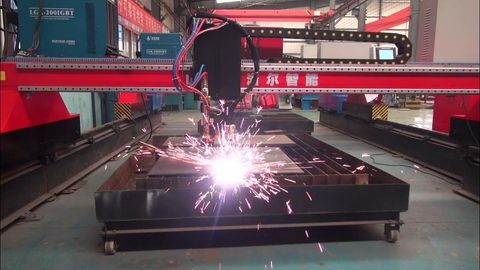
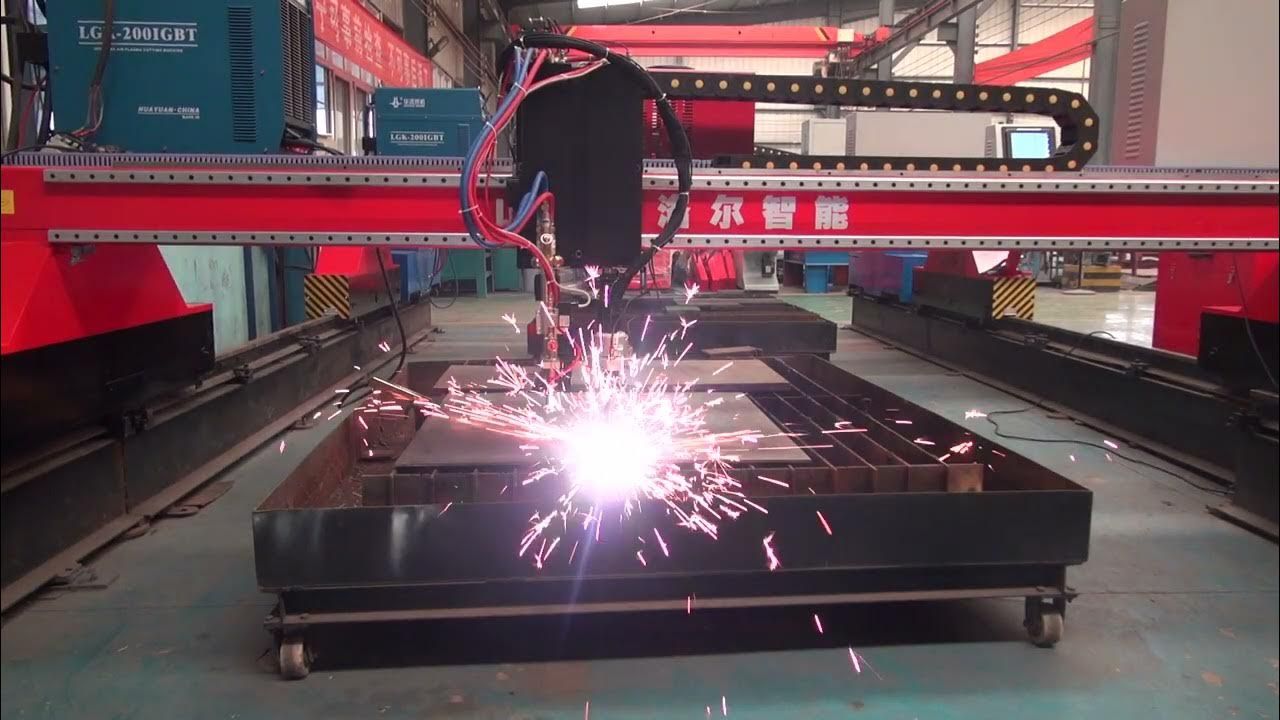
2. CNC Flame Cutting Machines
CNC systems automate the cutting process using programmed instructions.
Key Features:
- High precision and repeatability
- Ability to cut complex shapes
- Reduced material waste
CNC systems can control multiple cutting heads simultaneously, improving productivity.
3. Flame Cutting Tables
These are large platforms where metal sheets are placed for cutting.
Types of Tables:
- Fixed tables
- Water tables (reduce heat and fumes)
- Downdraft tables (improve ventilation)
4. Pipe Flame Cutting Machines
Designed specifically for cutting cylindrical materials such as pipes.
Applications:
- Oil and gas pipelines
- Structural pipe fabrication
5. CNC Plasma and Flame Combination Machines
These hybrid machines combine:
- Flame cutting (for thick materials)
- Plasma cutting (for thinner, more precise work)
This combination increases flexibility in industrial settings.
Comparison of Flame Cutting Systems
| Feature | Manual Cutting | CNC Flame Cutting | CNC Plasma + Flame |
|---|---|---|---|
| Precision | Low | High | Very High |
| Automation | None | Full | Full |
| Material Thickness | Medium | Very High | Wide Range |
| Cost | Low | Medium | High |
| Productivity | Low | High | Very High |
| Best Use Case | Repairs | Industrial use | Mixed applications |
Industrial Applications
Flame cutting machines are widely used in:
1. Construction and Infrastructure
Cutting structural steel beams and plates.
2. Shipbuilding
Handling large, thick steel components.
3. Heavy Equipment Manufacturing
Used in machinery and equipment fabrication.
4. Steel Fabrication Shops
Producing custom parts and components.
5. Oil and Gas Industry
Pipe cutting and processing applications.
Latest Trends and Innovations
1. CNC Automation and Software Integration
Modern machines use advanced CAD/CAM software for precise and automated cutting.
2. Multi-Torch Systems
Multiple cutting heads increase productivity and reduce processing time.
3. Hybrid Cutting Technologies
Combining flame and plasma cutting for improved versatility.
4. Energy Optimization
Improved gas control systems reduce fuel consumption.
5. Robotic Flame Cutting
Automation using robotics and vision systems is emerging in advanced manufacturing.
Key Features to Consider
When evaluating flame cutting machines, consider:
Performance
- Cutting thickness capacity
- Cutting speed
- Accuracy and tolerance
Operational Factors
- Gas consumption
- Energy usage
- Automation level
Machine Design
- Table size
- Number of cutting heads
- CNC compatibility
Safety Features
- Flame monitoring systems
- Emergency shut-off
- Proper ventilation systems
Checklist for Evaluating a Flame Cutting Machine
- Does it support your required material thickness?
- Is CNC automation needed?
- What is the available workspace size?
- Are hybrid (plasma + flame) capabilities required?
- What are the operating and maintenance costs?
- Is operator training required?
Common Companies and Solutions
Several global manufacturers provide flame cutting systems and CNC solutions:
- Messer Cutting Systems (oxy-fuel and CNC cutting technologies)
- ESAB (cutting and welding solutions)
- Hypertherm (plasma and hybrid systems)
- Zinser (CNC flame cutting machines)
- MicroStep (advanced CNC cutting systems)
These companies offer a range of solutions, from basic flame cutting tables to advanced automated systems.
How to Choose the Right Flame Cutting Machine
1. Based on Material Thickness
- Thick steel: Flame cutting
- Thin to medium: Plasma or hybrid systems
2. Based on Production Volume
- Low volume: Manual or basic CNC
- High volume: Multi-head CNC systems
3. Based on Budget
- Limited budget: Manual or entry-level CNC
- Higher budget: Automated hybrid systems
4. Based on Precision Needs
- High precision: CNC plasma or hybrid
- Moderate precision: CNC flame
5. Based on Space Availability
- Large workshop: Full cutting tables
- Limited space: Compact or portable systems
Tips for Best Use and Maintenance
1. Maintain Proper Gas Ratios
Correct oxygen and fuel gas ratios ensure efficient cutting.
2. Regularly Clean Nozzles
Clogged nozzles reduce cutting quality.
3. Monitor Heat Input
Excessive heat can damage material properties.
4. Inspect Equipment Regularly
Check hoses, valves, and CNC components.
5. Train Operators
Proper training improves safety and efficiency.
Frequently Asked Questions
1. What materials can be cut using flame cutting?
Primarily carbon and low-alloy steels.
2. Is flame cutting better than plasma cutting?
It depends on the application. Flame cutting is better for thick materials, while plasma is better for thin and precise cuts.
3. What is a CNC flame cutting machine?
It is an automated system that uses computer programming to control the cutting process.
4. Why is flame cutting still used today?
Because it is cost-effective and highly efficient for cutting thick steel.
5. Does flame cutting affect material properties?
Yes, it creates a heat-affected zone that may alter material characteristics.
6. Can flame cutting be used for precision work?
Modern CNC systems improve precision, but it is still less accurate than laser cutting.
Conclusion
Flame cutting machines continue to play a crucial role in industrial metal processing due to their ability to cut thick materials efficiently and economically. While newer technologies offer higher precision, flame cutting remains unmatched for heavy-duty applications.
With the integration of CNC systems, modern flame cutting machines have become more precise, automated, and adaptable to different industrial needs. Choosing the right system depends on factors such as material thickness, production scale, and budget.
For industries dealing with large-scale steel fabrication, flame cutting is not just a traditional method—it remains a practical and reliable solution in today’s manufacturing landscape.