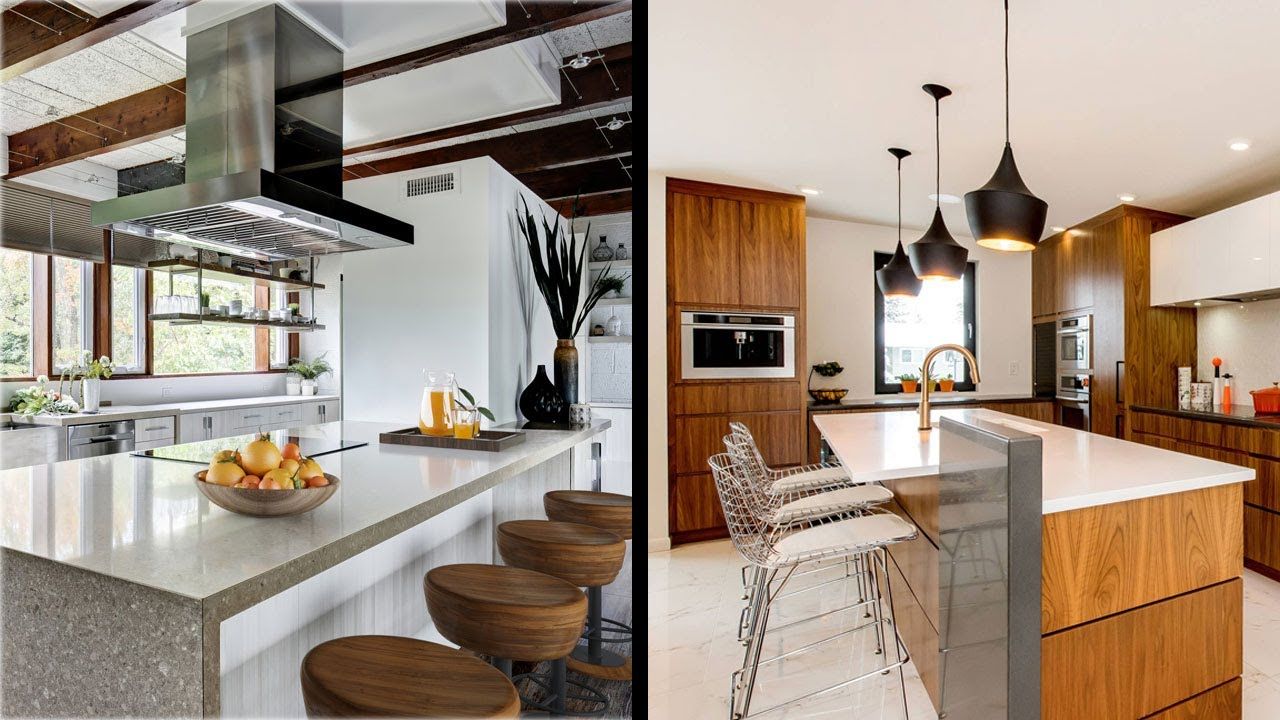
The kitchen is more than just a place to cook. In homes, it’s a hub for gathering, working, and living. In offices, it’s a vital space for collaboration, refreshment, and employee well-being. The term "modern kitchen" is often used, but what does it truly mean today? Modern design is not a single look but a spectrum of philosophies that prioritize clean lines, intentional materials, functional flow, and a connection to the needs of its users.
Understanding the Modern Kitchen Philosophy
Before diving into specific styles, it's helpful to understand the core tenets that unite modern kitchen design. This philosophy is a reaction to the ornamentation of traditional styles and focuses on:
Form Follows Function: Every element should have a purpose. Storage is integrated, appliances are often concealed, and layouts are engineered for efficient workflow (the classic "work triangle").
Clean Lines and Simplicity: Ornate moldings and decorative flourishes are eliminated in favor of flat-panel cabinetry, simple hardware, and uncluttered surfaces.
Intentional Materiality: Materials are chosen for their inherent beauty, texture, and durability. The finish and grain of wood, the sheen of metal, and the texture of stone are celebrated rather than hidden.
Connection and Flow: Modern kitchens often feature open plans, connecting to living and dining areas. Even in closed layouts, there is an emphasis on visual and spatial flow.
Benefits and Considerations of Modern Design
Adopting a modern approach to your kitchen offers clear advantages but also comes with specific considerations.
Key Benefits:
Timelessness: The focus on simplicity and function tends to age more gracefully than trend-driven, highly decorative styles.
Efficiency and Ergonomics: The functional core of modern design often results in a kitchen that is easier and more intuitive to work in, with smart storage and logical appliance placement.
Perception of Space: Clean lines, reflective surfaces, and a lack of visual clutter can make a kitchen feel more spacious and airy.
Ease of Maintenance: Flat surfaces, durable materials like quartz and stainless steel, and integrated appliances can simplify cleaning and upkeep.
Adaptability: The neutral and structural foundation of a modern kitchen makes it easier to update accents, lighting, or hardware over time without a full remodel.
Important Considerations:
Can Feel "Cold": Without careful material selection, an over-reliance on cool metals and glossy surfaces can create a sterile, impersonal feeling.
Requires Discipline: The minimalist aesthetic demands a commitment to decluttering. Countertops are meant to be clear, and storage must be highly organized.
Potential for Higher Cost: While savings can be found, the bespoke look of integrated appliances, custom flat-panel cabinetry, and large-format stone slabs often comes at a premium compared to stock, decorative cabinetry.
Detail-Oriented: In simplicity, every detail is magnified. Imperfections in alignment, finish, or grout lines become more noticeable.
Types and Categories of Modern Kitchen Styles
The modern umbrella shelters several distinct styles, each with its own character.
Organic Modern (or Modern Organic): This style softens the austerity of pure modernism by incorporating natural, textured, and warm elements. Think of it as modern design rooted in nature.
Key Features: A neutral, earthy color palette (beiges, warm whites, soft greys). Use of natural materials like oak (especially rift-cut or white oak), limestone, travertine, and terracotta. Textured finishes like brushed brass, linen upholstery, and handmade tiles. Shapes remain clean but feel more inviting.
Ideal For: Those who love the calm and order of modern design but want a cozy, tactile, and welcoming atmosphere.
Modern Stylish / Sleek Modern: This is what many people first picture: a hyper-sleek, polished, and sophisticated kitchen. It embraces technology, high-gloss finishes, and a curated, almost gallery-like feel.
Key Features: High-gloss lacquer or acrylic cabinetry, often in bold colors or monochromatic schemes. Integrated, handle-less appliances (push-to-open mechanisms). Statement materials like polished marble, quartzite, or exotic veneers. Strategic, dramatic lighting.
Ideal For: Urban apartments, homes with an architectural edge, and those who love a bold, contemporary statement.
Modern Transitional with Elements (e.g., Modern Shaker): This is a bridge style that blends modern sensibilities with classic details. A Modern Oak Shaker kitchen is a prime example.
Key Features: The clean, simple lines of the traditional Shaker cabinet door (a five-piece flat panel) but executed in a modern material like oak, often with a light stain or natural finish. Hardware may be simple bars or knobs in a matte black or brushed metal. The overall layout and appliances remain modern.
Ideal For: Those updating a traditional home, or anyone who prefers a hint of recognizable warmth and craft within a modern framework.
The Large Modern Kitchen with Island: This is less a style and more a canonical modern layout. The island becomes the multi-functional epicenter.
Key Features: A large, often waterfall-edge island that accommodates prep, dining, and socializing. It may house sinks, cooktops, or dishwashers. The layout emphasizes open flow to adjacent living spaces. Materials are often used to zone areas—e.g., a wood island against perimeter stone countertops.
Ideal For: Families, entertainers, and open-concept homes where the kitchen is the true heart of the house.
Modern Outdoor Kitchen: This extends modern design principles to an alfresco context, focusing on durability, seamless integration, and entertainment flow.
Key Features: Weather-resistant cabinetry in stainless steel, powder-coated aluminum, or marine-grade polymer. Durable countertops like polished concrete, porcelain slab, or certain granites. Built-in, high-performance grills and refrigeration. A strong connection to indoor spaces and landscaping.
Ideal For: Enhancing livable square footage, creating a resort-like feel at home, and serious outdoor entertaining.
Modern Office Kitchen Design: This style is driven by different priorities: durability, hygiene, servicing many users, and fostering informal collaboration.
Key Features: Extremely durable and easy-to-clean surfaces (solid surface, laminate, stainless steel). Open plans that encourage interaction. Smart, high-volume appliances (commercial-style coffee makers, under-counter fridges). Ample, easily accessible storage for shared supplies. A focus on accessibility and clear traffic patterns.
Ideal For: Creating a functional, inviting breakroom that supports company culture and employee needs.
Comparison Table: Style Overview
| Style | Primary Materials | Typical Color Palette | Overall Vibe | Key Consideration |
|---|---|---|---|---|
| Organic Modern | Oak, Limestone, Brushed Brass, Linen | Warm Neutrals, Earthy Tones | Calm, Tactile, Grounded | Avoids visual clutter to let materials shine. |
| Modern Stylish | High-Gloss Lacquer, Polished Stone, Integrated Steel | Monochrome, Bold Accents, White/Black | Sleek, Sophisticated, Bold | Shows fingerprints/smudges; requires upkeep. |
| Modern Shaker | Painted or Stained Wood (Oak, Maple), Simple Hardware | Warmer Whites, Grays, Navy | Crisp, Familiar, Balanced | Keeps the classic Shaker profile simple and unadorned. |
| Outdoor Modern | Stainless Steel, Concrete, Porcelain, Teak | Grays, Blacks, Natural Material Tones | Seamless, Durable, Resort-Like | All elements must be rated for full weather exposure. |
| Office Modern | Laminate, Solid Surface, Stainless Steel, Glass | Brand Colors, Bright Neutrals | Functional, Hygienic, Social | Must be designed for high traffic and easy maintenance. |
Latest Trends and Innovations
Modern kitchen design continues to evolve with technology and changing lifestyles.
Integrated Wellbeing: Features like water filtration taps, steam ovens, air purifiers integrated into hoods, and lighting that supports circadian rhythms are becoming standard considerations.
Concealed Everything: The trend toward "decorative fasting" continues. This includes downdraft vents, appliance garages, hidden outlets, and even camouflaged refrigeration that looks like cabinetry.
Smart and Connected Appliances: Beyond remote control, appliances are learning user habits, diagnosing issues, and integrating with home energy systems. In offices, smart counters can manage inventory for coffee and supplies.
Sustainable and Conscious Choices: Demand is growing for sustainably sourced woods (FSC-certified), recycled materials (like composite countertops), and local artisan-made tiles and hardware.
Key Features to Consider: Your Planning Checklist
When planning any modern kitchen, use this list to guide decisions:
Layout & Workflow: Does the classic "work triangle" (sink, fridge, stove) function well? Is there adequate landing space near appliances?
Storage Solutions: Is there a plan for every category (pots/pans, pantry, cutlery, cleaning supplies)? Consider deep drawers, pull-out pantries, and specialized inserts.
Material Durability & Maintenance: Are countertop materials suitable for their use (e.g., heat-, stain-, scratch-resistance)? Can cabinetry finishes withstand the environment (humidity, sun, high traffic)?
Lighting Layers: Have you planned for ambient (general), task (over counters), and accent (display) lighting? Are dimmers included?
Appliance Selection & Integration: Do appliance sizes and styles fit the design? Is there a plan for ventilation?
Electrical & Plumbing Plan: Are there enough outlets in strategic locations? Is the plumbing layout efficient for the chosen sink and appliance locations?
Ventilation: Is the range hood or vent system powerful enough and properly ducted to the exterior?
How to Choose the Right Style: A Decision Framework
Define the Primary Purpose: Is this a family command center, an entertainer's dream, a personal chef's retreat, or a corporate breakroom? The core function dictates layout, durability needs, and appliance priorities.
Analyze the Architectural Context: What is the style of the home or office building? A sleek, glossy kitchen might clash in a rustic farmhouse, just as an ornate one would feel out of place in a minimalist loft. Organic Modern or Modern Shaker often bridge different architectures well.
Assess Lifestyle and Maintenance Tolerance: Be honest about how you use the space and how much upkeep you will perform. A high-gloss kitchen or a pristine white marble counter may not suit a busy family or a high-traffic office.
Establish a Realistic Budget: Modern design can be achieved at various price points. Prioritize where to invest (e.g., layout and storage) and where to save (e.g., hardware, lighting fixtures). For offices, durability is a non-negotiable investment.
Gather Inspiration and Consult a Professional: Use platforms like Pinterest or Houzz to create a coherent idea book. For complex projects, especially involving structural changes or office compliance, an interior designer or kitchen planner can provide invaluable expertise.
Tips for Best Use and Longevity
Protect Your Surfaces: Use trivets for hot pans, cutting boards for prep, and immediately clean up acidic spills (wine, lemon juice, vinegar) on stone surfaces.
Maintain Ventilation Systems: Clean or replace range hood and dishwasher filters regularly to maintain efficiency and air quality.
Follow Care Instructions: Use only manufacturer-recommended cleaners for cabinetry, countertops, and appliances to avoid damaging finishes.
Organize Proactively: Invest in drawer organizers and storage solutions from the start to maintain the clutter-free aesthetic central to modern design.
Schedule Professional Maintenance: For complex appliances or natural stone sealing, periodic professional servicing can extend the life and beauty of your kitchen.
FAQs Addressing Real User Concerns
Q: Can I mix modern styles, like Organic Modern with a bold color?
A: Absolutely. Modern design provides a strong, clean canvas. A warm Organic Modern base of oak and stone can beautifully support a bold-colored island or a statement light fixture. The key is balance and intentionality.
Q: Is an outdoor kitchen worth the investment?
A: If you live in a climate where you can use it frequently and enjoy entertaining, it can significantly enhance your quality of life and property value. It extends your living space and can make casual dining and socializing easier.
Q: What's the biggest mistake people make in modern office kitchen design?
A: Underestimating durability and service needs. Using residential-grade appliances or delicate surfaces in a high-traffic office leads to rapid wear, breakdowns, and higher long-term costs. It must be designed like a commercial space.
Q: How do I keep a minimalist modern kitchen from looking boring?
A: Rely on texture and a few well-chosen elements. The texture of a bouclé stool, the grain of an oak slab, the patina of a brass faucet, or the sculptural shape of a single pendant light can add immense visual interest without clutter.
Q: Are handle-less cabinets practical?
A: For most users, yes. Push-to-open mechanisms are reliable. The clean look is a major benefit, and they eliminate protruding hardware that can snag clothing. They do require a clean finger to open, which can be a consideration with messy cooking.
Conclusion: Designing for Experience
Choosing a modern kitchen style is ultimately about designing an experience. It's about how you want to feel in the space—whether calm and connected to nature in an Organic Modern kitchen, energized and efficient in a sleek office breakroom, or relaxed and social in an outdoor cooking area.
By understanding the principles that unite these styles and the nuances that differentiate them, you can move beyond aesthetics to create a kitchen that truly functions for its intended life. A successful modern kitchen isn't just about looking contemporary; it's about creating a thoughtful, purposeful environment that supports the rhythms of daily life, work, and gathering for years to come.