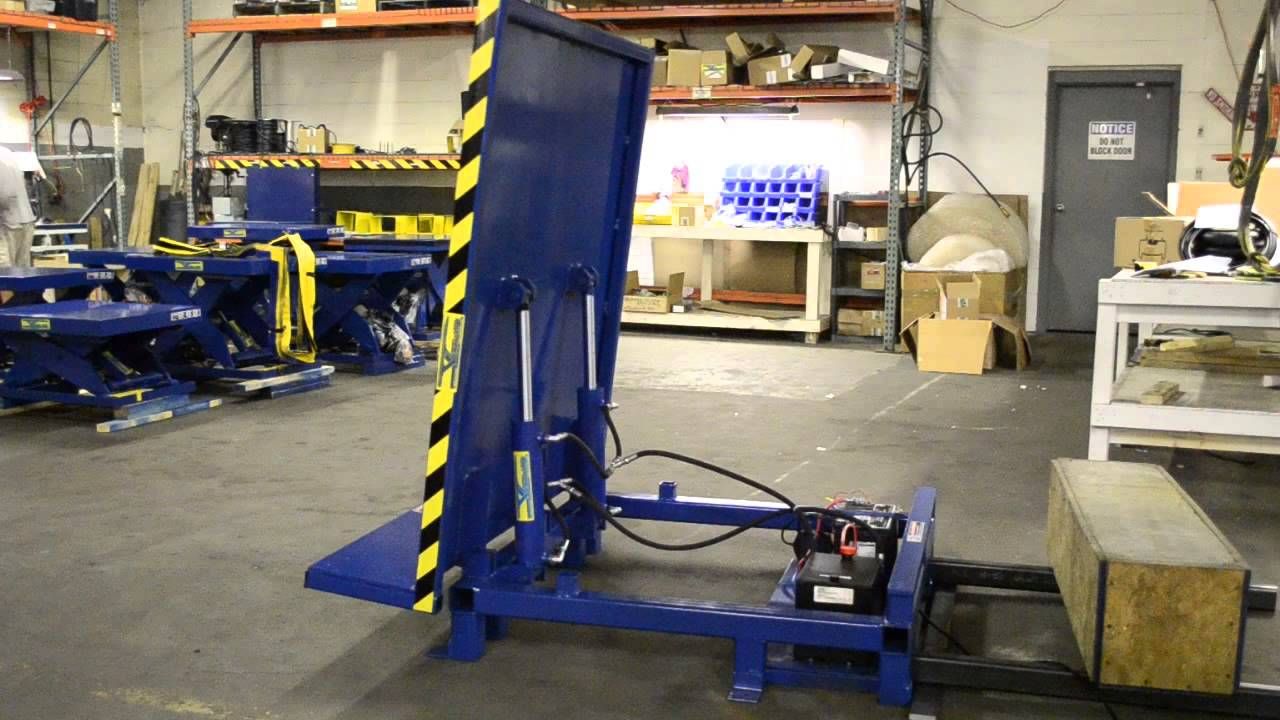
In many industrial environments, handling heavy materials safely and efficiently is a daily requirement. Whether in manufacturing plants, warehouses, automotive workshops, or logistics centers, workers often need to lift, position, or transport loads at varying heights. Hydraulic lifting tables are designed to support these tasks by providing controlled vertical movement for materials and equipment.
What Are Hydraulic Lifting Tables?
Hydraulic lifting tables, sometimes referred to as hydraulic lift tables, are mechanical devices that raise and lower loads using hydraulic power. They typically consist of a flat platform supported by a scissor mechanism or similar structure, powered by a hydraulic cylinder.
The primary function of a hydraulic lifting table is to position loads at an ergonomic height, making it easier to perform tasks such as assembly, packing, inspection, or loading. They are widely used in industrial environments where manual lifting would be inefficient or unsafe.
How Hydraulic Lifting Tables Work
Hydraulic lifting tables operate based on basic hydraulic principles.
Hydraulic System
The system includes a hydraulic pump, cylinder, fluid reservoir, and control valves. When hydraulic fluid is pumped into the cylinder, it creates pressure that moves the lifting mechanism upward.
Lifting Mechanism
Most industrial lifting tables use a scissor mechanism. As the hydraulic cylinder extends, the scissor arms open, raising the platform vertically.
Control Methods
Controls may be manual, electric, or automated. Operators can raise or lower the platform to the required height using buttons, pedals, or integrated control systems.
Load Support
The platform is designed to distribute weight evenly, ensuring stable lifting and lowering of materials.
Benefits of Hydraulic Lifting Tables
Hydraulic lifting tables offer several practical benefits in industrial environments.
Improved Workplace Safety
By reducing the need for manual lifting, these tables help lower the risk of injuries related to strain or improper lifting techniques.
Enhanced Efficiency
Lifting tables allow materials to be positioned quickly and accurately, improving workflow and reducing handling time.
Ergonomic Support
Adjustable height helps workers maintain better posture during repetitive tasks.
Versatility
Hydraulic lifting tables can be used across various industries and adapted for different load types and weights.
Consistent Performance
Hydraulic systems provide smooth and controlled lifting, even under heavy loads.
Limitations and Challenges
Despite their advantages, hydraulic lifting tables also have some limitations.
Space Requirements
Some models require sufficient floor space, particularly when fully lowered or raised.
Maintenance Needs
Hydraulic systems require regular inspection to prevent leaks and ensure consistent performance.
Initial Cost
Industrial-grade lifting tables can involve a higher upfront investment compared to manual solutions.
Load Constraints
Each table has a maximum load capacity that must be respected to avoid safety issues.
Types and Categories of Hydraulic Lifting Tables
Hydraulic lifting tables come in various designs to suit different industrial needs.
Scissor Lift Tables
The most common type, using a scissor mechanism for vertical lifting. Suitable for a wide range of applications.
Low-Profile Lift Tables
Designed for situations where floor-level loading is required, minimizing the need for ramps or pits.
High-Capacity Lift Tables
Built to handle very heavy loads, often used in manufacturing and metalworking industries.
Mobile Hydraulic Lift Tables
Equipped with wheels, allowing movement between workstations.
Tilting Lift Tables
Include a tilting platform to improve access and reduce bending during loading or unloading.
Comparison Table: Common Hydraulic Lifting Table Types
| Type | Key Feature | Typical Use Case |
|---|---|---|
| Scissor Lift Table | Vertical lifting | General industrial tasks |
| Low-Profile Table | Minimal lowered height | Pallet handling |
| High-Capacity Table | Heavy load support | Manufacturing |
| Mobile Lift Table | Portability | Flexible work areas |
| Tilting Table | Angled access | Assembly and sorting |
Common Industrial Applications
Hydraulic lifting tables are used across many sectors.
Manufacturing
Positioning components during assembly or machining processes.
Warehousing and Logistics
Loading and unloading pallets, containers, or conveyor systems.
Automotive Workshops
Supporting vehicle parts or equipment during repair and maintenance.
Packaging and Inspection
Adjusting working height for repetitive inspection or packing tasks.
Maintenance Operations
Providing access to heavy machinery components.
Latest Trends and Innovations
Hydraulic lifting tables continue to evolve alongside industrial automation and safety standards.
Integration with Automation Systems
Some lifting tables are now designed to integrate with conveyor systems and automated production lines.
Improved Safety Features
Modern designs may include overload protection, safety bars, and emergency stop functions.
Energy-Efficient Hydraulics
New hydraulic components aim to reduce energy consumption and improve system efficiency.
Compact and Modular Designs
Manufacturers are developing more compact units for space-constrained environments.
Enhanced Control Interfaces
Digital controls and programmable settings allow for more precise positioning.
Key Features to Consider
When evaluating hydraulic lifting tables, several factors are commonly reviewed.
Load Capacity
The table must safely support the maximum expected load.
Lifting Height Range
Consider both the minimum and maximum platform heights required.
Platform Size
The surface area should accommodate the dimensions of the load.
Control System
Manual, electric, or automated controls affect usability and integration.
Safety Mechanisms
Look for features such as emergency stops, safety locks, and overload protection.
Overview of Well-Known Manufacturers
Several companies produce hydraulic lifting tables for industrial use. Availability and product range may vary by region.
-
Bosch Rexroth – Industrial hydraulic and automation solutions
https://www.boschrexroth.com -
SSI Schaefer – Material handling and lifting equipment
https://www.ssi-schaefer.com -
TENTE – Mobility and lifting-related solutions
https://www.tente.com -
Presto Lifts – Manufacturer of industrial lifting equipment
https://www.prestolifts.com
This list is provided for informational purposes only.
How to Choose the Right Hydraulic Lifting Table
Selecting the appropriate lifting table depends on operational requirements.
Identify the Application
Determine how the table will be used, including load type and frequency.
Assess the Environment
Consider floor conditions, available space, and surrounding equipment.
Define Safety Requirements
Ensure the table meets applicable safety standards and workplace policies.
Consider Future Needs
Choose a model that can accommodate potential changes in workflow or load size.
Review Maintenance Support
Availability of spare parts and service information is important for long-term use.
Checklist: Planning for a Hydraulic Lifting Table
-
Confirm maximum load weight
-
Measure required lifting height
-
Evaluate available floor space
-
Choose suitable control type
-
Review safety features
-
Plan for routine maintenance
Tips for Best Use and Maintenance
Daily Use Tips
-
Do not exceed rated load capacity
-
Ensure loads are evenly distributed
-
Use controls smoothly and deliberately
Maintenance Tips
-
Inspect hydraulic hoses and seals regularly
-
Check fluid levels as recommended
-
Keep moving parts clean and free of debris
Long-Term Care
-
Schedule periodic professional inspections
-
Replace worn components promptly
-
Maintain clear documentation of servicing
Frequently Asked Questions
Are hydraulic lifting tables suitable for continuous use?
Many industrial models are designed for frequent operation, but duty cycles should be followed as specified.
Can hydraulic lifting tables be customized?
Some manufacturers offer customization options for platform size, controls, or capacity.
Do hydraulic lifting tables require special flooring?
Stable and level flooring is important to ensure safe operation.
What happens if hydraulic pressure fails?
Many tables include safety mechanisms to prevent sudden drops in the event of pressure loss.
Are hydraulic lifting tables easy to relocate?
Mobile models are designed for relocation, while fixed tables may require disassembly.
Conclusion: A Practical Takeaway
Hydraulic lifting tables play an important role in modern industrial environments by supporting safe, efficient, and ergonomic material handling. Their ability to lift and position heavy loads with precision makes them valuable across a wide range of applications, from manufacturing to logistics.
Understanding how hydraulic lifting tables work, their benefits and limitations, and the factors involved in selecting and maintaining them helps organizations use these tools effectively. Rather than focusing on specific models, a practical approach considers real operational needs, safety requirements, and long-term usability. When chosen and maintained thoughtfully, hydraulic lifting tables can contribute meaningfully to workplace efficiency and safety.