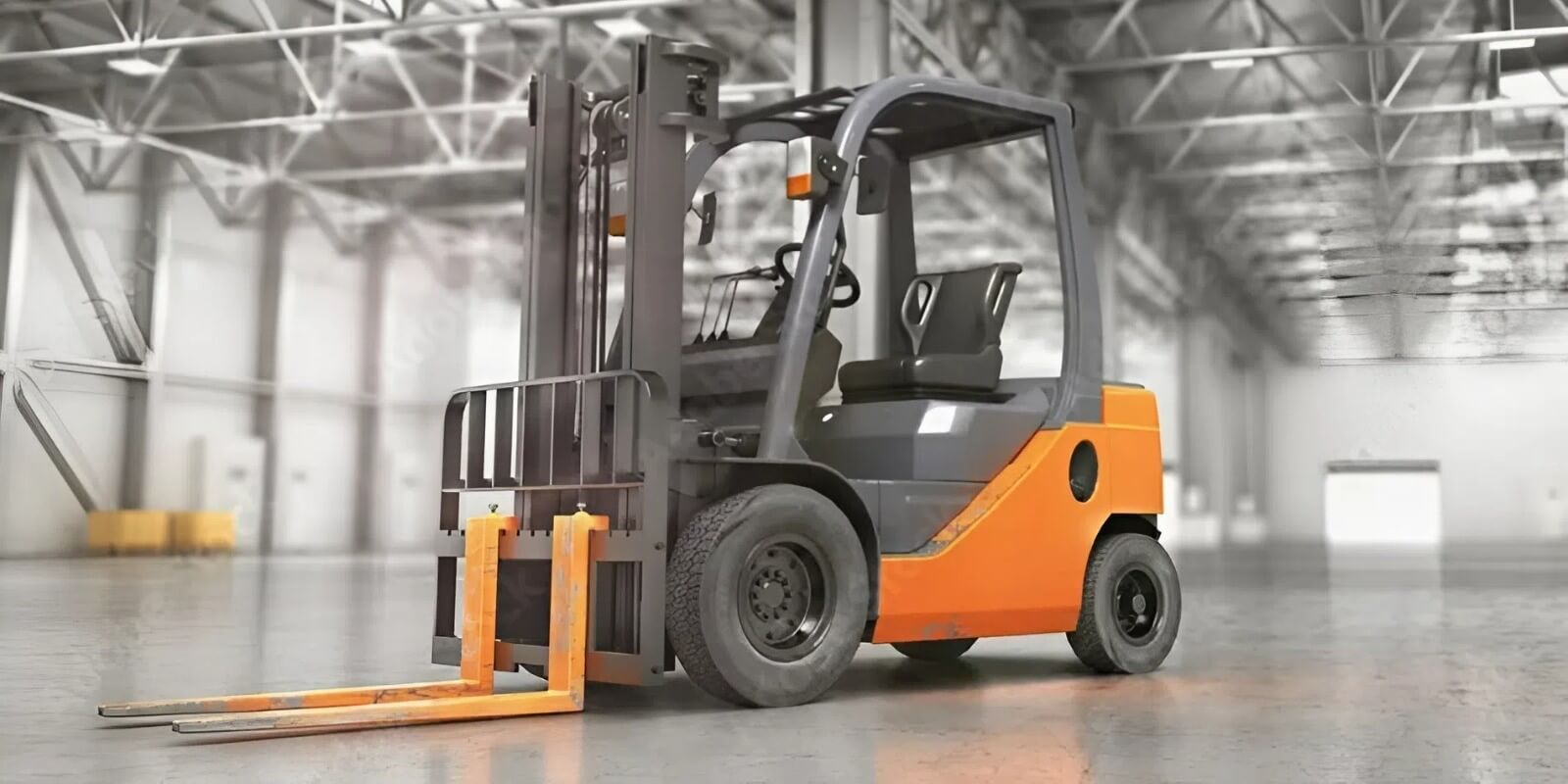
Electric forklifts have become a common sight in warehouses, factories, and distribution centers. As businesses look for quieter, cleaner, and more energy-efficient equipment, electric forklift technology has gained importance across many industries. These machines use battery-powered motors instead of internal combustion engines, which makes them suitable for indoor environments and operations focused on efficiency and sustainability.
What Is An Electric Forklift
An electric forklift is a powered industrial truck that uses rechargeable batteries to drive its motor and lifting system. Unlike diesel or propane forklifts, electric versions produce no exhaust emissions during operation and typically generate less noise.
Electric forklifts rely on three main components:
-
A battery pack that powers the machine
-
An electric motor that moves the truck and operates the hydraulics
-
A controller system that manages speed, power distribution, and braking
Modern designs also include regenerative braking, advanced battery management systems, and improved operator controls to increase efficiency and safety.
Benefits Of Electric Forklifts
Electric forklifts offer several advantages, particularly in indoor or high-volume environments.
Lower Operating Emissions
Because they do not burn fuel, electric forklifts produce no direct exhaust emissions. This makes them suitable for warehouses, food facilities, and enclosed workspaces.
Reduced Noise Levels
Electric motors operate more quietly than combustion engines. This helps create a more comfortable work environment and can reduce communication difficulties in busy facilities.
Lower Maintenance Needs
Electric forklifts generally have fewer moving engine parts, meaning fewer oil changes, filters, and mechanical repairs.
Improved Energy Efficiency
Electric motors convert energy more efficiently than fuel engines, which can reduce long-term operating costs in high-use environments.
Better Indoor Performance
They are often easier to maneuver, making them useful in narrow aisles, loading docks, and storage areas.
Limitations To Consider
Despite their advantages, electric forklifts are not ideal for every situation.
Battery Charging Time
Charging can take several hours unless spare batteries or fast-charging systems are used.
Higher Upfront Cost
Electric forklifts may cost more initially than some fuel-powered models.
Outdoor Limitations
While newer models can handle outdoor use, rough terrain and heavy rain may reduce performance.
Battery Replacement Costs
Over time, battery packs need replacement, which can represent a significant investment.
Types Of Electric Forklift Models
Electric forklifts come in several designs suited to different environments and tasks.
Walk-Behind Electric Forklifts
These compact machines are guided by an operator walking behind them. They are commonly used for short-distance material handling, small warehouses, and storage rooms.
Walkie Stackers
Walkie stackers are designed to lift pallets to moderate heights while remaining compact and easy to operate. They are useful in retail storage areas, small logistics operations, and light warehouse environments.
Sit-Down Electric Forklifts
Sit-down forklifts resemble traditional forklifts but run on electric power. They are commonly used in medium to large warehouses where operators need to move heavier loads over longer distances.
Heavy-Duty Electric Forklifts
These models are designed for industrial applications and can handle larger loads. Advances in battery capacity and motor design have made them increasingly suitable for manufacturing plants and distribution hubs.
Large Capacity Electric Forklifts
Large electric forklifts are built for high-capacity lifting and can replace diesel forklifts in some heavy operations. They are used in ports, construction supply yards, and industrial facilities.
Comparison Table: Common Electric Forklift Types
| Type | Best For | Strengths | Limitations |
|---|---|---|---|
| Walk-Behind | Small storage areas | Compact, simple operation | Limited capacity |
| Walkie Stacker | Retail and small warehouses | Efficient pallet stacking | Not suited for long travel |
| Sit-Down Forklift | Medium warehouses | Versatile, comfortable | Requires wider aisles |
| Heavy-Duty Electric | Industrial environments | High lifting capacity | Higher purchase cost |
| Large Electric Forklift | Heavy logistics operations | Strong performance, lower emissions | Needs large battery systems |
Applications Across Industries
Electric forklifts are used in a wide range of sectors.
Warehousing And Distribution
Electric forklifts are widely used in storage facilities because they operate quietly and safely indoors.
Manufacturing
Factories often rely on electric forklifts to move materials between production lines and storage zones.
Retail Logistics
Retail distribution centers use electric forklifts to handle palletized goods efficiently.
Food And Pharmaceutical Facilities
Because they produce no exhaust fumes, electric forklifts are suitable for environments with strict hygiene requirements.
E-commerce Fulfillment Centers
High-volume logistics operations frequently use electric forklifts to improve efficiency and reduce indoor emissions.
Latest Trends In Electric Forklift Technology
Recent technological improvements are changing how electric forklifts operate.
Lithium-Ion Batteries
Lithium-ion batteries are replacing traditional lead-acid batteries in many models. They charge faster, last longer, and require less maintenance.
Telematics And Smart Monitoring
Modern forklifts may include tracking systems that monitor usage, battery health, and operator performance.
Regenerative Braking Systems
These systems recover energy during braking and return it to the battery, improving efficiency.
Automation Integration
Some electric forklifts are being designed to work alongside automated warehouse systems and guided vehicle technologies.
Key Features To Consider When Choosing An Electric Forklift
When evaluating options, businesses often focus on these factors:
-
Lifting capacity and height requirements
-
Battery type and charging infrastructure
-
Indoor versus outdoor operating environment
-
Aisle width and maneuverability needs
-
Operator comfort and safety features
-
Maintenance support and spare parts availability
Checklist For Selecting The Right Electric Forklift
Use this checklist before making a decision:
-
Confirm maximum load weight requirements
-
Measure warehouse aisle dimensions
-
Determine daily operating hours
-
Evaluate charging station availability
-
Compare battery types and lifecycle costs
-
Check safety features and stability systems
-
Consider long-term maintenance needs
Major Manufacturers And Solution Providers
Several companies produce electric forklifts and related warehouse equipment. When comparing options, businesses often look at product range, service support, and technology features.
Examples of well-known manufacturers include global material-handling companies, regional equipment suppliers, and warehouse technology providers. Many publish product comparisons and technical specifications on their official websites, allowing buyers to compare lifting capacity, battery options, and operational features.
How To Choose The Right Electric Forklift
Choosing the right model depends on the working environment and operational priorities.
For smaller storage areas, compact walk-behind forklifts or walkie stackers may be sufficient. Medium warehouses often benefit from sit-down electric forklifts that balance power and maneuverability. Industrial facilities handling heavy loads may require heavy-duty or large-capacity electric forklifts.
Battery type is another key decision. Lithium-ion batteries offer faster charging and lower maintenance, while lead-acid batteries can be more affordable initially.
Businesses should also consider future growth. Choosing a forklift that supports higher capacity or longer operating hours can reduce the need for replacement later.
Tips For Best Use And Maintenance
Proper maintenance helps extend forklift lifespan and improve safety.
-
Follow recommended charging cycles for the battery
-
Keep battery terminals clean and inspected
-
Train operators on correct handling procedures
-
Schedule regular mechanical inspections
-
Monitor tire wear and hydraulic system performance
-
Store forklifts in appropriate temperature conditions
Routine checks can prevent downtime and ensure reliable performance.
Frequently Asked Questions
Are electric forklifts suitable for outdoor use?
Some modern models are designed for limited outdoor use, but rough terrain and heavy rain may affect performance.
How long do electric forklift batteries last?
Battery lifespan depends on usage and maintenance, but many last several years with proper care.
Do electric forklifts require less maintenance than diesel models?
They often require fewer engine-related repairs, though battery maintenance remains important.
Are electric forklifts more expensive?
Initial costs may be higher, but operating expenses can be lower over time.
Can electric forklifts handle heavy loads?
Yes, heavy-duty and large electric models are designed for industrial lifting tasks.
Conclusion
Electric forklift technology has evolved into a practical solution for many industries seeking efficient, low-emission material handling equipment. With multiple models available, from compact walk-behind units to large industrial forklifts, businesses can choose equipment suited to their specific operations.
Understanding the benefits, limitations, and technological features of electric forklifts allows organizations to make informed decisions. By carefully evaluating operational needs, battery options, and long-term costs, businesses can select equipment that supports productivity, safety, and efficiency in modern material-handling environments.