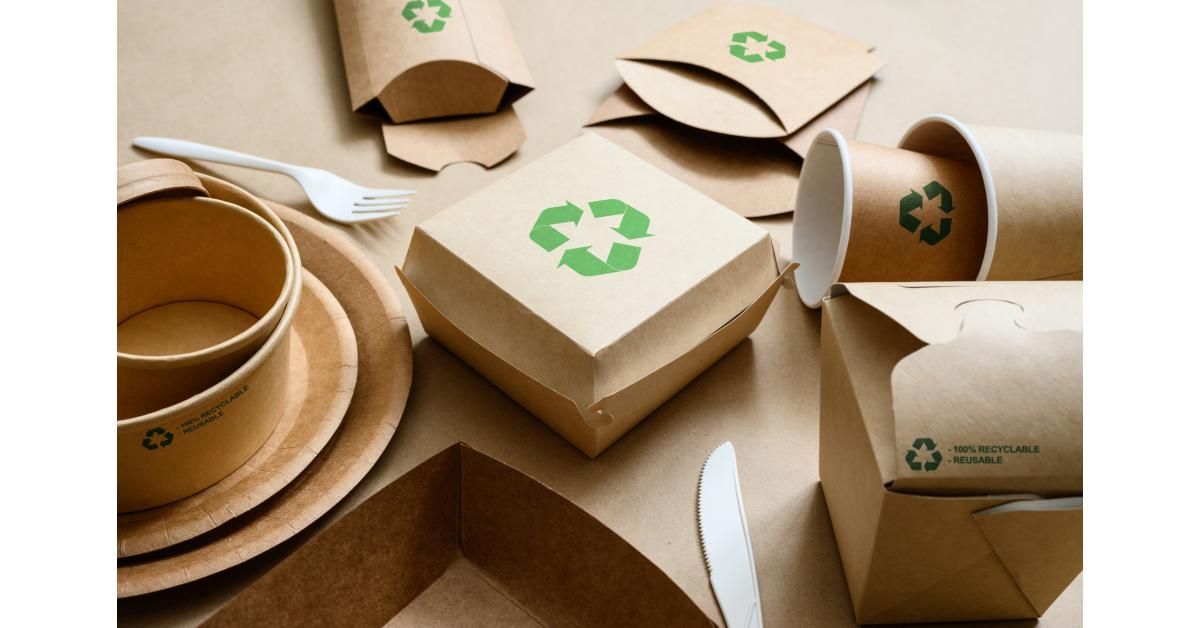
The cardboard box on your doorstep, the paper wrap around a new gadget, the molded tray holding your berries—packaging is a constant presence in our daily lives. As awareness of environmental issues grows, so does the desire to make better choices. Terms like “eco-friendly,” “compostable,” and “sustainable” now adorn countless products, but what do they really mean? How do different materials stack up against one another?
Understanding "Sustainable" in Packaging
Before comparing materials, it's crucial to define "sustainable packaging." True sustainability considers the entire lifecycle, often evaluated through a lens called Life Cycle Assessment (LCA). This science-based approach looks at a material’s impact from raw material extraction, manufacturing, and transportation, through its use, and finally to its end-of-life (recycling, composting, landfill, or litter). A genuinely sustainable option seeks to minimize negative impacts across all these stages.
No packaging is impact-free. The most sustainable principle is always reduce—using less material overall. When packaging is necessary, we then compare the available options.
Categories and Comparison of Common Materials
Sustainable packaging generally falls into a few broad categories: paper-based, biodegradable/compostable plastics, recycled materials, and innovative newer options.
1. Paper and Cardboard
Sources: Recycled paper pulp or virgin wood fiber from (ideally) sustainably managed forests (FSC-certified).
Common Uses: Corrugated boxes, cartons, paper mailers, molded pulp trays (for eggs or electronics), paper tape.
Environmental Pros: Made from a renewable resource (if managed well). Widely recyclable in most municipal systems. Biodegradable in natural environments if untreated. Compostable at home if free of plastic coatings or heavy inks. Often has a high recycled content.
Environmental Cons & Limitations: Production can be energy and water-intensive. Virgin paper production contributes to deforestation if not certified. Recycling has limits—fibers shorten each cycle. Waterproofing often requires plastic coatings or PFAS chemicals, which ruin recyclability and compostability. Heavy items require more material, increasing weight and transport emissions.
Key Disposal Note: Recycle if clean and dry. Compost only if explicitly marked and uncoated.
2. Glass
Sources: Sand, soda ash, limestone.
Common Uses: Jars, bottles for food, beverages, and cosmetics.
Environmental Pros: Infinitely recyclable without loss of purity or quality. Non-toxic and inert, so it doesn’t leach chemicals. Highly reusable in a refill system. Made from abundant materials.
Environmental Cons & Limitations: Very heavy, leading to high transportation emissions (fuel use). Manufacturing is extremely energy-intensive due to high melting temperatures. Breaks easily, leading to potential waste. While recyclable, it often ends up in landfills. Single-use glass bottles typically have a higher carbon footprint than single-use plastic or aluminum.
Key Disposal Note: Recycle in designated bins. Always prefer reuse over single-use recycling.
3. Aluminum
Sources: Bauxite ore.
Common Uses: Beverage cans, food tins, flexible wrappers (like for chocolate or yogurt lids).
Environmental Pros: Infinitely recyclable. Recycling aluminum saves about 95% of the energy needed to make new metal from ore. Lightweight for its strength, reducing transport emissions. Excellent barrier properties, protecting contents.
Environmental Cons & Limitations: Primary production from bauxite is highly environmentally damaging, involving mining, habitat loss, and "red mud" toxic waste. Energy-intensive to produce initially.
Key Disposal Note: One of the most valuable materials to recycle. Always place in recycling.
4. Compostable Bioplastics (PLA, PHA, etc.)
Sources: Plant starches (corn, sugarcane), cellulose, or microbial processes.
Common Uses: Food service ware (cutlery, cups), produce bags, flexible packaging films, compost bin liners.
Environmental Pros: Made from renewable resources, reducing fossil fuel use. Can divert food-soiled waste from landfills when processed in an industrial composting facility, turning into compost.
Environmental Cons & Limitations: Major Limitation: Requires a specific industrial composting facility to break down; will not decompose in a home compost, landfill, or nature. A contaminant in the plastic recycling stream. Often requires agricultural land, water, and energy to grow feedstocks. Can be confused with conventional plastic, leading to widespread improper disposal.
Key Disposal Note: Only compost if certified (e.g., BPI, TUV OK compost) and you have access to an industrial composter that accepts it. Otherwise, it typically must go to landfill.
5. Recycled and Recyclable Plastics (rPET, rHDPE)
Sources: Post-consumer or post-industrial plastic waste.
Common Uses: Clear bottles (rPET), non-food containers, mailers, clothing fibers.
Environmental Pros: Diverts plastic waste from landfills and oceans. Uses significantly less energy and resources than virgin plastic production. Helps build a circular economy for existing plastic. Maintains the lightweight, durable benefits of plastic.
Environmental Cons & Limitations: Recycling is not infinite; plastic degrades in quality with each cycle (downcycling). Dependent on effective consumer recycling systems and clean material streams. Does not address the fundamental issue of plastic production and potential microplastic pollution. Not a solution for all plastic types.
Key Disposal Note: Clean, dry, and flatten before placing in your recycling bin according to local guidelines.
Comparative Impact Table
| Material | Primary Raw Source | Key Advantage | Key Disposal Challenge | Overall Consideration |
|---|---|---|---|---|
| Cardboard (Recycled) | Recycled Paper / Wood | Widely Recyclable, Renewable | Coatings can hinder recycling | Excellent default for dry goods when recycled content is high. |
| Glass | Sand, Soda Ash | Infinite Recyclability, Reusable | Very Heavy, Energy-Intensive | Best in local refill/return systems, not ideal for lightweight, long-distance shipping. |
| Aluminum | Bauxite Ore | Infinite Recyclability, Lightweight | High Impact of Initial Mining | A top choice for recycling efficiency where applicable (e.g., cans). |
| Compostable Plastic | Plant Starch | Breaks Down to Compost | Requires Specific Industrial Facility | A niche solution for food-contaminated items where composting infrastructure exists. |
| Recycled Plastic (rPET) | Plastic Waste | Gives Waste a Second Life | Downcycling, System Dependent | Reduces demand for new plastic, but is still plastic. |
Latest Trends and Innovations
The field is rapidly evolving to address the shortcomings of current options:
Mycelium Packaging: Grown from the root structure of mushrooms (mycelium) on agricultural waste. It is home-compostable, biodegradable, and can be molded into protective shapes. Companies like Ecovative Design are pioneers in this space.
Seaweed and Algae-Based Films: Edible and biodegradable films made from seaweed extract. They require no fresh water or farmland to produce. Notpla is a notable company creating coatings and capsules from this material.
Advanced Paper Coatings: Research is focused on creating effective water and grease barriers for paper using natural, compostable materials like chitosan (from shellfish shells) or cellulose derivatives, replacing plastic and PFAS.
Chemical Recycling for Plastics: While controversial, technologies aim to break down complex or contaminated plastics back to their chemical building blocks to create new, virgin-quality plastic. This seeks to address the downcycling problem.
Key Features to Consider: A Checklist
When evaluating a packaging material, ask these questions:
Lifecycle Origin: Is it made from recycled content or a rapidly renewable resource?
Production Impact: Is its manufacturing process energy, water, or chemically intensive?
Weight & Transport: Is it lightweight, minimizing emissions during shipping?
Protection & Efficiency: Does it protect the product effectively with minimal material?
End-of-Life Clarity: Is it widely and easily recyclable, compostable, or reusable in your local system?
Additive-Free: Is it free of non-recyclable coatings, laminates, or toxic chemicals?
How to Choose the Right Option
The "best" material is entirely context-dependent. Follow this decision pathway:
Function First: The package must protect the product. No environmental benefit matters if the item arrives damaged.
Analyze the Local System: The most "sustainable" material is useless if your local waste management cannot process it. Always prioritize materials that fit your existing municipal recycling or composting streams.
Prioritize the Hierarchy:
First, Reduce: Can you use less material, or eliminate packaging entirely?
Second, Reuse: Is there a durable, reusable option (glass jar, tote bag)?
Third, Recycle/Compost: Choose a material with a clear, high-probability recycling or composting path in your area.
Consider the Full Journey: For a local product, a heavier but reusable glass jar might be ideal. For a product shipped across the country, lightweight recycled cardboard or optimized recycled plastic might have a lower total carbon footprint.
FAQs Addressing Real User Concerns
Q: Is biodegradable or compostable packaging better than recyclable?
A: Not necessarily. "Better" depends on infrastructure. A recyclable material in a city with a 70% recycling rate is often better than a compostable material in a city with no industrial composting. Compostable is best only for items that will be soiled with food and where composting is accessible.
Q: What is the single most sustainable packaging material?
A: There isn't one. The most sustainable action is reduction—using less material overall. After that, the best material is the one that is effectively recovered and cycled back into the economy in your specific location.
Q: Why is plastic so often criticized if recycled plastic exists?
A: While recycled plastic (rPET, etc.) is better than virgin, the global plastic recycling rate is very low (around 9%). Much plastic is not recyclable, and recycling itself is energy-intensive and leads to downcycling. The core issues are the scale of production, persistence in the environment, and microplastic pollution, which recycling alone does not solve.
Q: As a consumer, how can I tell if packaging is truly sustainable?
A: Look past marketing words like "eco." Check for specific, credible certifications: FSC for forest products, BPI for compostability, How2Recycle label for clear disposal instructions, and high post-consumer recycled (PCR) content percentages. Transparency from the brand about their choices is a good sign.
Q: Are plant-based plastics always compostable?
A: No. "Plant-based" refers to the source, not the end-of-life. A plastic like Bio-PET is made from plants but is chemically identical to regular PET plastic and is only recyclable, not compostable. Always look for a compostability certification, not just "made from plants."
Conclusion: A System of Trade-Offs
Choosing sustainable packaging is an exercise in navigating trade-offs with imperfect information. A material might excel in one area (like recyclability) but have a high production footprint. Another might be innovative and home-compostable but is not yet scalable for mass adoption.
The most powerful insight is that the sustainability of any material is unlocked or nullified by the system around it. A perfectly recyclable aluminum can is only sustainable if it makes it into the recycling bin and is processed. A compostable cup is only beneficial if it reaches an industrial composter.
Therefore, our responsibility is twofold: to choose materials that align with our local recovery systems, and to actively participate in those systems correctly—recycling cleanly, composting appropriately, and reusing whenever possible. By understanding the comparative impacts outlined here, we can move beyond greenwashed labels and make choices that genuinely push towards a more circular, less wasteful economy. The goal is not a perfect purchase, but a more informed one.