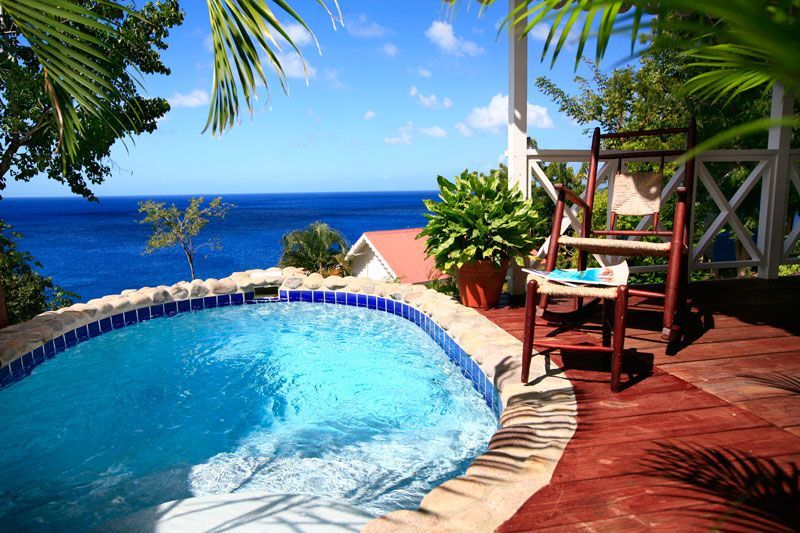
Planning a honeymoon is one of the first exciting projects you’ll tackle as a newly married couple. The Caribbean, with its mosaic of islands, each offering a unique blend of turquoise waters, vibrant cultures, and postcard-perfect beaches, is a classic and compelling choice. Yet, the very wealth of options—from the lush, mountainous landscapes of St. Lucia to the serene, flat cays of the Bahamas—can make the decision feel overwhelming.
Understanding the Caribbean Honeymoon Appeal
A Caribbean honeymoon represents a powerful convergence of desirable elements: reliable sunshine, breathtaking natural beauty, and a cultural atmosphere often geared towards relaxation and romance. It offers a tangible shift in environment, allowing couples to decompress from wedding festivities and focus on celebrating their new union. The appeal lies in its versatility; the region can cater to couples seeking pure beachside serenity, adventurous exploration, cultural immersion, or a luxurious, all-inclusive escape.
Benefits and Considerations
As with any major travel decision, understanding both the advantages and potential challenges is key to setting realistic expectations.
Key Benefits:
Proximity and Accessibility: For many travelers, especially from North America, the Caribbean offers relatively short flight times and numerous direct flight options, minimizing travel fatigue.
Clarity of Purpose: Most islands have a well-established tourism infrastructure specifically designed for couples and romantic getaways, offering experiences like private dining, couples' spa treatments, and sunset sails.
Diverse Experiences in One Region: You can choose between the lush, volcanic islands of the Windwards, the arid, cactus-dotted landscapes of Aruba, or the colonial history and vibrant music scenes of islands like Jamaica or Puerto Rico.
Predictable Weather (Seasonally): The dry season, roughly from December to April, offers a high probability of sunny, rain-free days, which is a significant factor for a once-in-a-lifetime trip.
Important Considerations:
Hurricane Season: The official Atlantic hurricane season runs from June 1 to November 30, with peak activity from August to October. Traveling during this period carries a higher inherent weather risk, though it often coincides with lower prices.
Cost Variance: The Caribbean encompasses a wide price range. Some islands and resort brands are notably more expensive than others. Your budget will significantly narrow your options.
Cultural Pace Differences: Island life often moves at a slower, more relaxed pace ("island time"). This is a benefit for those seeking tranquility but can be a source of frustration for travelers expecting high-speed efficiency.
Potential for Crowds: Popular islands and resorts during peak season (winter and spring break) can be quite busy. Seeking out smaller islands or adults-only resorts can mitigate this.
Types of Caribbean Destinations
The Caribbean is not a monolith. Broadly, islands can be categorized by the experience they tend to offer:
The Volcanic & Lush Islands: Characterized by dramatic, mountainous interiors, rainforests, and often black or grey sand beaches alongside traditional white sand. These islands are ideal for couples who want to split their time between the beach and adventurous inland excursions like hiking, waterfall visits, or exploring botanical gardens.
Examples: St. Lucia, Dominica, St. Vincent & The Grenadines, Grenada.
Considerations: Transportation between sights often involves winding mountain roads. The landscape is stunning but can be less conducive to long, flat beach walks.
The Flat & Arid Islands: Known for their reliable, sunny weather, constant trade winds, and extensive stretches of iconic white-sand beaches. The interior landscape is often more desert-like, with cacti and divi-divi trees. These islands prioritize beach life, water sports, and easy relaxation.
Examples: Aruba, Bonaire, Curaçao (the "ABC Islands"), Antigua, Anguilla, The Bahamas.
Considerations: While beautiful, they may lack the dramatic scenic variety of the volcanic islands. They are often very popular with cruise ships.
The Cultural Hubs: Islands with a rich historical background, vibrant local culture, music, and cuisine that extends beyond the resort gates. These are for couples who want to ensure their trip includes authentic local experiences, dining in town, and learning about the island's heritage.
Examples: Jamaica, Puerto Rico, Barbados, Trinidad & Tobago (for Carnival), Cuba.
Considerations: Depending on the location, some areas may feel more built-up or bustling. It's important to research which towns or parishes align with your desired vibe.
Latest Trends and Innovations in Honeymoon Travel
The Caribbean resort landscape continuously evolves to meet modern couple's expectations.
Hyper-Local Experiences: Resorts are moving beyond generic activities to offer curated, authentic local experiences. This can include farm-to-table dining with island chefs, guided heritage walks, or workshops in local crafts like chocolate-making or rum blending.
Privacy-Focused Design: New resorts and renovations are emphasizing villa-style accommodations with private pools, outdoor showers, and dedicated butler service, catering to couples seeking maximum seclusion.
Wellness-Integrated Stays: The concept of the honeymoon is expanding to include wellness. Resorts now offer packages that might include daily yoga, mindfulness sessions, nutrition consultations, and spa treatments using local ingredients.
Flexible "All-Inclusive" Models: The all-inclusive concept is becoming more refined and flexible. Many luxury resorts now offer "Full Board Plus" or "Premium All-Inclusive" plans that include top-shelf spirits, à la carte gourmet dining without reservations, and non-motorized water sports, moving away from the wristband-and-buffet stereotype.
Key Features to Consider: Your Resort Evaluation Checklist
When comparing specific resorts, use this list to identify what aligns with your priorities:
Location & Setting: Is it on a swimmable beach? Is it secluded or within walking distance of a town? What is the view from the room?
Room/Suite Type: Is a private balcony or plunge pool important? What is the bed size and overall room layout?
Dining Options: How many restaurants are on-site? Are they à la carte or buffet? Are dietary restrictions accommodated? Is there 24-hour room service?
Inclusivity Model: Is it European Plan (room only), Breakfast Included, All-Inclusive, or a Luxury Inclusive plan? Carefully review what drinks, activities, and amenities each plan covers.
Amenities & Activities: Is there a spa? Pools? What complimentary non-motorized water sports are offered (kayaks, snorkel gear, paddleboards)? Is there nightly entertainment?
Atmosphere & Clientele: Is the resort adults-only or family-friendly? What is the general vibe (lively, serene, romantic, social)?
On-Site Romance Offerings: Does the resort offer honeymoon packages? Can they arrange private dinners on the beach or in-suite celebrations?
Overview of Notable Resort Brands and Styles
The Caribbean is home to global brands and unique independent properties. Here is a neutral look at different styles.
| Resort Style | General Description | Ideal For | Example Brands/Chains |
|---|---|---|---|
| Luxury All-Inclusive | High-end, everything-is-covered experience. Premium drinks, multiple gourmet restaurants, top-shelf amenities, and often butler service. Minimizes decision-making. | Couples who value convenience, premium quality, and want to indulge without constant budgeting. | Sandals Resorts (couples-only), Secrets Resorts & Spas (adults-only), Excellence Group. |
| Boutique & Independent | Smaller, often privately-owned properties with distinctive architecture and highly personalized service. Focus on unique design, local charm, and privacy. | Couples seeking an intimate, non-formulaic experience with a strong sense of place and attention to detail. | Jade Mountain (St. Lucia), Rosalie Bay (Dominica), many small inns in Anguilla or Nevis. |
| Luxury Hotel Brands | Internationally recognized five-star brands offering exceptional service, stunning locations, and world-class spas. Often European Plan, with dining as an added cost. | Discerning travelers who prioritize brand reliability, exquisite service, and à la carte freedom to explore off-property. | Four Seasons, Ritz-Carlton, Aman (Amanyara in Turks & Caicos). |
| Villa & Private Rental | Renting an entire home, often with a private pool and staff (cook, housekeeper). Offers complete privacy and a "home-away-from-home" feeling. | Couples who desire total seclusion, self-catering flexibility, and are comfortable managing some logistics independently. | Platforms like Airbnb Luxe, VRBO, or local villa rental agencies. |
How to Choose the Right Option: A Decision Framework
Have a "Honeymoon Vision" Conversation: Start by discussing your ideal day. Is it: breakfast in bed, beach lounging, a spa treatment, and a gourmet dinner? Or is it: an early hike, a local lunch in town, snorkeling, and casual beers at a beach bar? Align on your shared priorities.
Set a Realistic Budget (and stick to it): Factor in all costs: flights, transfers, resort, food, drinks, activities, and souvenirs. Remember that all-inclusive has a higher upfront cost but often provides better value if you enjoy drinks and multiple restaurants.
Match the Island to Your Activity Desires: Refer to the destination types above. If hiking and scenery are top priorities, a volcanic island is likely your match. If flawless beaches and sun are non-negotiable, look to the arid islands.
Select the Resort Style: Based on your vision, budget, and chosen island, decide which resort style (Luxury All-Inclusive, Boutique, Hotel Brand, Villa) best fits your couple's travel personality.
Read Recent, Detailed Reviews: Look beyond the star rating. Read recent traveler reviews on multiple platforms (TripAdvisor, Google) focusing on comments from other honeymooners. Pay attention to mentions of service, food quality, room conditions, and noise levels.
Tips for a Smooth and Enjoyable Honeymoon
Consider Travel Insurance: For a significant investment like a honeymoon, especially if traveling during hurricane season, a comprehensive travel insurance policy that covers trip interruption and cancellation is highly recommended.
Book Key Experiences in Advance: Don't wait to book popular restaurant reservations, spa treatments, or exclusive off-site tours. Resorts can fill these slots quickly, particularly in high season.
Pack for the Environment: Bring reef-safe sunscreen to protect marine life, insect repellent for evenings, and appropriate attire (some restaurants have dress codes). A lightweight cover-up and hat are essential.
Communicate Your Occasion: Tell everyone—the airline, the resort at booking, the check-in agent—that you’re on your honeymoon. You’re often met with congratulations and sometimes complimentary upgrades or treats.
Build in Downtime: It’s tempting to fill every day. Remember, this is also a time to relax and connect. Schedule at least a couple of days with no plans at all.
FAQs Addressing Real User Concerns
Q: Is an all-inclusive resort the best value for a honeymoon?
A: It can be, but it depends on your habits. If you enjoy having multiple drinks by the pool, trying different restaurants, and participating in resort activities, an all-inclusive can prevent bill shock. If you prefer to explore local eateries and are light drinkers, a room-only or breakfast-included plan at a beautiful hotel might offer better value and more cultural immersion.
Q: How far in advance should we book our Caribbean honeymoon?
A: For peak season travel (December - April), aim to book 9 to 12 months in advance to secure the best flights and your preferred room category at top resorts. For travel during shoulder or off-peak seasons, 6-8 months is often sufficient.
Q: Are adults-only resorts worth the premium?
A: For many honeymooners, yes. The atmosphere is intentionally quieter and more romantic, without the potential for poolside disruptions. It ensures your resort experience is focused on couples and relaxation. If a vibrant, multi-generational atmosphere is appealing to you, then a family-friendly resort may be fine.
Q: What is the best way to get around on the islands?
A: This varies. On smaller, flat islands like Anguilla, taxis are common and resorts can arrange them. On larger, mountainous islands like St. Lucia or Jamaica, renting a car (with a valid license and comfort driving on the left, where applicable) offers the most freedom, but organized tours or private drivers are excellent stress-free alternatives.
Q: We want a mix of adventure and relaxation. Is that possible?
A: Absolutely. This is where choosing the right island is key. A destination like St. Lucia, Puerto Rico, or Dominica offers easy access to hiking, snorkeling, and exploration, while also having beautiful resorts where you can unwind for several days. Look for resorts that offer or can arrange a variety of guided excursions.
Conclusion: Crafting Your Chapter One
Planning your Caribbean honeymoon is the first collaborative adventure in your marriage. It’s a process of combining dreams, navigating practicalities, and ultimately crafting the opening chapter of your new life together. By methodically considering the type of island that calls to you, the resort style that suits your pace, and the experiences that will create lasting memories, you move beyond a simple vacation booking.
You are designing a foundational experience—a period of transition, celebration, and connection in a setting of profound beauty. The goal is not a flawless, pressure-filled trip, but a genuine and joyful experience that reflects who you are as a couple. With thoughtful planning and aligned expectations, your Caribbean honeymoon can be the perfect, sunny beginning to your shared story.