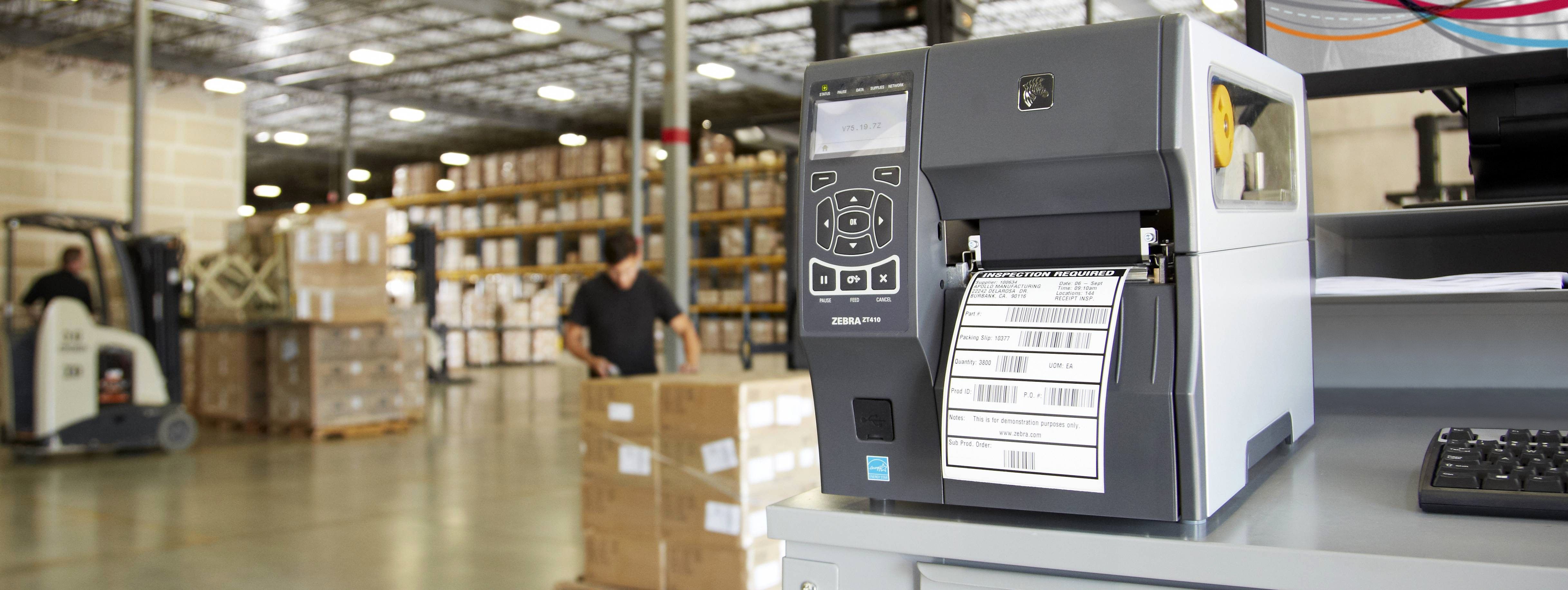
Barcode label printing plays a central role in modern inventory management, logistics, retail operations, and asset tracking. Whether used in warehouses, offices, healthcare facilities, or manufacturing units, barcode labels help organize information, improve accuracy, and streamline workflows.
How Barcode Label Printing Works
Barcode label printing involves generating machine-readable codes that represent data such as product details, inventory numbers, or asset identifiers. These codes are printed on labels and scanned using barcode scanners to retrieve information quickly.
The process typically includes:
- Data creation – Assigning unique codes (e.g., UPC or internal IDs)
- Barcode generation – Converting data into barcode format
- Printing – Using a label printer to print the barcode
- Application – Attaching labels to products or assets
- Scanning and tracking – Using scanners to read and process data
The type of label and printing method used depends on the environment and application.
Benefits of Barcode Label Printing
1. Improved Accuracy
Barcodes reduce manual data entry errors by automating identification and tracking.
2. Faster Operations
Scanning a barcode is significantly quicker than manual input, improving efficiency.
3. Better Inventory Control
Real-time tracking helps maintain accurate stock levels and reduces losses.
4. Scalability
Barcode systems can be expanded easily as operations grow.
5. Cost Efficiency
Over time, automation reduces labor costs and operational errors.
Limitations to Consider
- Initial setup effort for systems and labeling standards
- Label durability issues in harsh environments
- Dependency on equipment such as printers and scanners
- Maintenance needs for consistent performance
- Limited data capacity in basic barcode formats
Understanding these limitations helps in selecting appropriate materials and systems.
Types of Barcode Labels and Printing Methods
1. Direct Thermal Labels
Direct thermal labels are printed using heat-sensitive material that darkens when exposed to heat from the printer.
Key characteristics:
- No ink or ribbon required
- Simple and cost-effective
- Ideal for short-term use
Common uses:
- Shipping labels
- Receipts
- Temporary inventory tags
Advantages:
- Lower operating cost
- Easy to use
- Minimal maintenance
Limitations:
- Fades over time
- Sensitive to heat and light
2. Clear Direct Thermal Labels
These labels offer a transparent appearance while maintaining the functionality of direct thermal printing.
Key characteristics:
- Transparent surface
- Suitable for aesthetic or minimal labeling
Applications:
- Product packaging
- Retail labeling
3. Waterproof Direct Thermal Labels
Designed to resist moisture, these labels are more durable than standard thermal labels.
Key characteristics:
- Moisture-resistant coating
- Improved durability
Applications:
- Cold storage
- Outdoor environments
4. UPC Barcode Labels
UPC (Universal Product Code) labels are widely used in retail for product identification.
Key characteristics:
- Standardized format
- Easily scannable across systems
Applications:
- Retail products
- Inventory systems
5. Asset Tag Labels
Asset tags are used to track equipment, tools, or long-term assets.
Key characteristics:
- Durable materials
- Unique identification codes
Applications:
- IT equipment tracking
- Office asset management
6. Inventory Labeling Systems
Inventory labels help organize and track stock within warehouses or storage systems.
Key characteristics:
- Customizable formats
- Scannable for quick updates
Comparison Table: Label Types
| Label Type | Best Use Case | Key Benefit | Limitation |
|---|---|---|---|
| Direct Thermal | Short-term labeling | No ink required | Fades over time |
| Clear Thermal | Aesthetic labeling | Transparent appearance | Limited durability |
| Waterproof Thermal | Moist environments | مقاومة moisture | Slightly higher cost |
| UPC Labels | Retail products | Standardized system | Limited data capacity |
| Asset Tags | Long-term tracking | High durability | Higher initial setup |
| Inventory Labels | Stock management | Easy tracking | Needs system integration |
Latest Trends and Innovations
1. Smart Labeling Systems
Integration with software platforms enables real-time tracking and analytics.
2. Cloud-Based Barcode Management
Centralized systems allow remote access and updates.
3. Durable Materials
Improved label materials increase resistance to heat, water, and wear.
4. Automation Integration
Barcode systems are increasingly integrated with automated workflows and robotics.
5. 2D Barcode Adoption
QR codes and other 2D formats are gaining popularity due to higher data capacity.
Key Features to Consider
When selecting barcode label printing solutions, consider:
- Label durability (heat, water, abrasion resistance)
- Printing method (direct thermal vs alternatives)
- Barcode type (UPC, QR, etc.)
- Print quality and resolution
- Ease of integration with existing systems
- Volume requirements
- Cost of operation and maintenance
Top Companies and Solutions
Several companies provide barcode labeling solutions:
- Zebra Technologies
- Honeywell
- Brother Industries
- DYMO
- TSC Auto ID
These providers offer a range of printers, labels, and software solutions suitable for different industries.
How to Choose the Right Option
Step-by-Step Checklist
- Define the purpose (inventory, retail, asset tracking)
- Determine label lifespan requirements
- Evaluate environmental conditions
- Select appropriate barcode format
- Consider printing volume and speed
- Assess budget and operational costs
- Ensure compatibility with existing systems
Practical Tips for Best Use and Maintenance
- Store labels in a cool, dry place
- Clean printer heads regularly
- Use appropriate label materials for the environment
- Avoid exposure of thermal labels to direct sunlight
- Test print quality before large batches
- Replace worn components promptly
FAQs
What is the difference between direct thermal and other printing methods?
Direct thermal printing uses heat-sensitive paper and does not require ink or ribbons, making it simpler but less durable.
When should waterproof labels be used?
They are suitable for environments where labels may be exposed to moisture or humidity.
Are UPC barcodes required for all products?
UPC barcodes are commonly used in retail but may not be necessary for internal inventory systems.
How long do direct thermal labels last?
They are best for short-term use, as they may fade over time when exposed to heat or light.
Can barcode labels be customized?
Yes, labels can be customized in size, format, and data content depending on the application.
Conclusion
Barcode label printing is an essential tool for organizing and managing information across various industries. From direct thermal labels used in shipping to durable asset tags for long-term tracking, each type serves a specific purpose.
By understanding the differences between label types, printing methods, and applications, users can make informed decisions that align with their operational needs. Careful selection and proper maintenance of barcode labeling systems not only improve efficiency but also ensure reliable performance over time.
A thoughtful approach to barcode label printing helps create more structured, accurate, and scalable processes in any working environment.