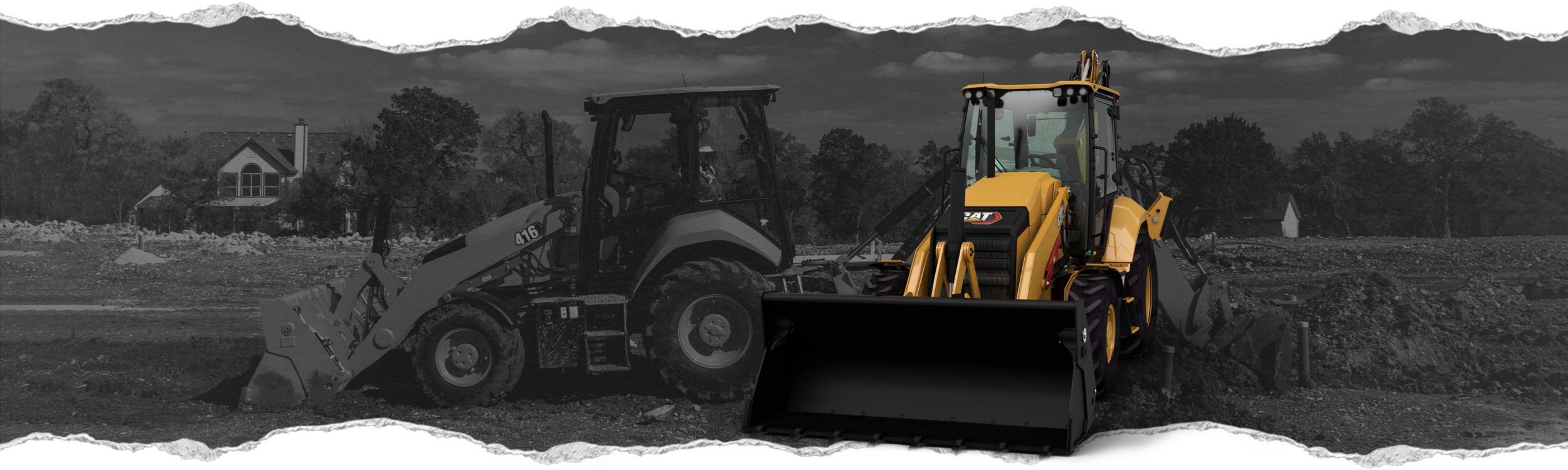
Backhoe loaders are among the most versatile machines used in construction, agriculture, landscaping, and municipal work. Combining a front-end loader and a rear backhoe arm into a single unit, they are designed to dig, lift, carry, and move materials efficiently. Their compact footprint and multi-purpose functionality make them especially useful for projects where space is limited and budgets require flexibility.
What Is a Backhoe Loader?
A backhoe loader is a tractor-based machine equipped with:
-
A front loader bucket for lifting and moving materials
-
A rear backhoe arm for digging and trenching
-
A rotating operator cab (in many models)
-
Hydraulic systems to power attachments
The combination allows operators to switch between digging and loading tasks without changing machines.
Common Sizes of Backhoe Loaders
Backhoe loaders are available in different size categories, each suited to specific tasks.
1. Small or Compact Backhoe Loaders
Compact models are designed for:
-
Urban construction
-
Landscaping
-
Residential trenching
-
Utility installation
Typical features:
-
Lower horsepower (60–75 HP range)
-
Narrow width for tight spaces
-
Reduced digging depth compared to larger models
These machines are easier to transport and operate in confined job sites.
2. Standard or Mid-Size Backhoe Loaders
This is the most common category used in general construction.
Typical features:
-
75–100 HP engines
-
Moderate digging depth (around 14–17 feet)
-
Balanced lifting capacity
They are widely used for:
-
Roadwork
-
Foundation digging
-
Drainage systems
-
Agricultural tasks
3. Large Backhoe Loaders
Large models are built for heavy-duty work.
Typical features:
-
Higher horsepower
-
Extended digging depth
-
Greater lifting capacity
These machines are suitable for:
-
Large-scale infrastructure projects
-
Industrial excavation
-
Deep trenching operations
Electric Backhoe Loaders: Emerging Technology
Electric backhoe loaders are an emerging development in the equipment industry. They use battery-powered systems instead of diesel engines.
Key Characteristics
-
Zero tailpipe emissions
-
Reduced noise levels
-
Lower operating fuel costs
-
Suitable for indoor or urban environments
Advantages
-
Environmentally friendly operation
-
Lower long-term maintenance (fewer engine components)
-
Quieter job sites
Limitations
-
Limited battery range compared to diesel runtime
-
Higher upfront cost
-
Charging infrastructure requirements
Electric models are increasingly considered for municipalities and contractors working in environmentally sensitive or noise-restricted areas.
Common Attachments for Backhoe Loaders
One of the major strengths of a backhoe loader is its ability to use various attachments.
Loader-Side Attachments
-
General-purpose bucket
-
Multi-purpose bucket
-
Fork attachments
-
Snow plow
Backhoe-Side Attachments
-
Digging bucket
-
Trenching bucket
-
Hydraulic breaker
-
Auger
-
Compactor
A hydraulic breaker, for example, is used to break concrete or rock surfaces. Augers allow for drilling holes for poles or fencing.
Applications of Backhoe Loaders
Backhoe loaders serve multiple industries due to their versatility.
Construction
-
Digging foundations
-
Loading materials
-
Site preparation
-
Backfilling trenches
Agriculture
-
Clearing land
-
Digging irrigation channels
-
Lifting feed or materials
Utilities and Municipal Work
-
Repairing water lines
-
Installing cables
-
Road maintenance
-
Snow removal
Landscaping
-
Tree planting
-
Grading soil
-
Drainage work
Benefits of Backhoe Loaders
1. Versatility
One machine can perform multiple tasks.
2. Cost Efficiency
Instead of buying separate excavators and loaders, a backhoe loader can handle both functions.
3. Mobility
They can travel on roads at moderate speeds, reducing transport needs.
4. Compact Design
Suitable for tight urban job sites.
Limitations to Consider
1. Limited Specialization
Dedicated excavators may outperform backhoe loaders in deep or large-scale excavation.
2. Stability Constraints
When fully extended, the backhoe arm may require stabilizers to maintain balance.
3. Power Limits
Heavy-duty industrial excavation may require larger, specialized equipment.
Comparison Table: Size Categories
| Feature | Compact Model | Standard Model | Large Model |
|---|---|---|---|
| Horsepower Range | 60–75 HP | 75–100 HP | 100+ HP |
| Digging Depth | Moderate | High | Very High |
| Maneuverability | Excellent | Good | Moderate |
| Typical Use | Residential | General Construction | Infrastructure |
| Transport Ease | High | Moderate | Lower |
Key Features to Consider
When evaluating a backhoe loader, consider:
Engine Type
Diesel remains standard, but electric options are emerging.
Hydraulic System Capacity
Higher hydraulic flow supports advanced attachments.
Cab Design
-
Enclosed or open
-
Climate control
-
Visibility
Transmission
Options include manual, powershift, or automatic transmissions.
Stabilizers
Essential for safe digging operations.
Latest Trends and Innovations
1. Electrification
Battery-powered models are becoming more viable as battery technology improves.
2. Telematics Systems
Many manufacturers now offer fleet tracking and performance monitoring.
3. Improved Fuel Efficiency
Modern diesel engines focus on reduced emissions and better fuel economy.
4. Operator Comfort Enhancements
Ergonomic seating, digital displays, and joystick controls improve usability.
Major Manufacturers in the Market
Several well-known companies manufacture backhoe loaders globally:
-
Caterpillar
-
JCB
-
John Deere
-
Case Construction Equipment
-
Komatsu
Each company offers different size ranges, attachment compatibility, and technological features. Comparing specifications directly from manufacturer websites is recommended for up-to-date technical details.
How to Choose the Right Backhoe Loader
Selecting the right machine depends on several factors.
Step 1: Define Your Primary Task
Is the focus digging, lifting, or a balance of both?
Step 2: Assess Job Site Conditions
-
Space limitations
-
Soil type
-
Terrain
Step 3: Evaluate Required Attachments
Ensure compatibility with necessary tools such as breakers or augers.
Step 4: Consider Budget and Operating Costs
Factor in fuel, maintenance, and long-term durability.
Step 5: Compare New vs. Used Equipment
Used equipment may reduce upfront cost but may require more maintenance.
Maintenance Tips for Long-Term Performance
Proper maintenance extends machine lifespan and improves safety.
Daily Checks
-
Inspect hydraulic hoses
-
Check oil and coolant levels
-
Examine tire condition
Weekly Maintenance
-
Grease pivot points
-
Clean air filters
Periodic Servicing
-
Replace hydraulic fluids
-
Inspect engine components
-
Test electrical systems (for electric models)
Preventive maintenance reduces unexpected downtime.
Practical Checklist Before Operating
Before starting work:
-
Confirm stabilizers are functional
-
Inspect attachment mounting
-
Ensure hydraulic connections are secure
-
Check safety signals and lights
-
Review operator manual guidelines
Frequently Asked Questions
What is the difference between a backhoe and a backhoe loader?
A backhoe is the digging arm attachment, while a backhoe loader is the complete machine combining loader and backhoe.
Can a backhoe loader replace an excavator?
It can handle moderate digging tasks but may not match the depth and power of large excavators.
Are electric backhoe loaders widely available?
They are emerging in the market but less common than diesel models.
What size backhoe loader is best for residential work?
Compact or small models are generally suitable for residential projects.
How long does a backhoe loader typically last?
With proper maintenance, many machines operate effectively for several thousand working hours.
Conclusion: A Practical Perspective
Backhoe loaders remain one of the most adaptable machines in construction and agriculture. Their ability to dig, lift, and transport materials within a single unit makes them practical for a wide range of projects. While they may not replace specialized heavy equipment in every scenario, they provide strong value where flexibility and space efficiency are priorities.
As electric technology advances and operator-focused innovations continue to develop, backhoe loaders are evolving to meet modern demands. Choosing the right size, understanding attachment options, and maintaining the machine properly can significantly improve performance and longevity.
For anyone evaluating equipment for construction, utility work, or farming tasks, understanding the capabilities and limitations of backhoe loaders is an important step toward making informed decisions.