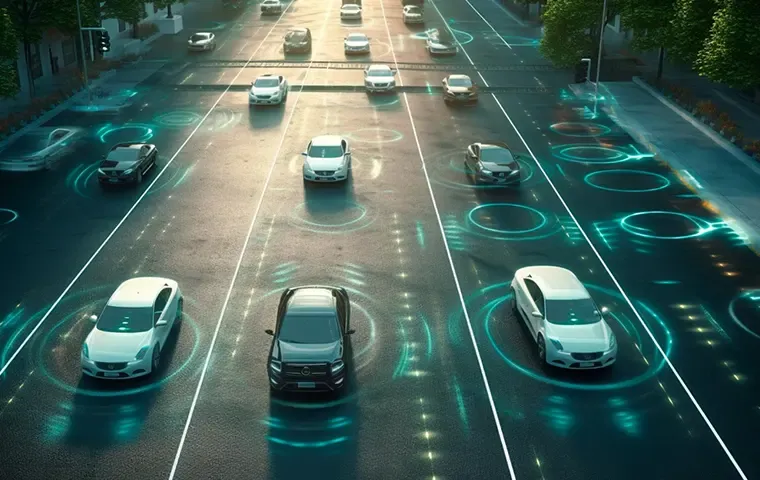
Autonomous driving is no longer a distant concept. Over the past decade, vehicles with advanced driver assistance systems (ADAS) have become common on highways and city streets. Features like adaptive cruise control, lane-keeping assistance, and automatic emergency braking are now available in many mid-range cars.
Understanding the Levels of Autonomous Driving
Autonomous driving systems are classified into six levels (Level 0 to Level 5) by the Society of Automotive Engineers (SAE). These levels describe how much responsibility the vehicle takes compared to the human driver.
Overview of Driving Automation Levels
| Level | Name | Who Controls the Vehicle? | Driver Attention Required? | Examples |
|---|---|---|---|---|
| Level 0 | No Automation | Driver fully controls | Yes | Traditional vehicles |
| Level 1 | Driver Assistance | System assists with steering or speed | Yes | Adaptive cruise control |
| Level 2 | Partial Automation | System controls steering and speed | Yes (hands-on monitoring) | Highway assist systems |
| Level 3 | Conditional Automation | System handles most tasks in certain conditions | Yes (must take over when requested) | Limited deployment in some markets |
| Level 4 | High Automation | System drives without human input in specific areas | No (within geofenced zones) | Robotaxi pilots |
| Level 5 | Full Automation | System drives in all conditions | No | Not yet commercially available |
Level 0 to Level 2: Driver Assistance and Partial Automation
Most vehicles on the road today fall into Levels 1 and 2.
Level 1: Basic Driver Assistance
Level 1 systems assist with either steering or acceleration/braking—but not both at the same time. Common features include:
-
Adaptive cruise control
-
Lane departure warning
-
Traffic sign recognition
Level 2: Partial Automation
Level 2 systems can control steering and acceleration/braking simultaneously under certain conditions, typically on highways.
Examples include:
-
Tesla Autopilot
-
Ford Motor Company BlueCruise
-
General Motors Super Cruise
Although these systems reduce driver workload, they require continuous supervision. The driver must remain attentive and ready to intervene at any time.
Level 3: Conditional Automation
Level 3 systems can handle most driving tasks in specific environments, such as highways, but require the driver to take over when requested.
For example, Mercedes-Benz Drive Pilot has been approved in limited regions for use under controlled conditions, such as low-speed highway traffic.
Limitations:
-
Works only in certain weather and road conditions.
-
Legal approval varies by country.
-
Driver must remain available to respond.
Level 4: High Automation
Level 4 vehicles can operate without human input within defined geographic areas, often called geofenced zones.
Examples include:
-
Waymo robotaxi services
-
Cruise autonomous vehicles (pilot programs)
In these systems:
-
No human driver is required within operational areas.
-
The vehicle can safely stop if it encounters an unexpected issue.
However, they are limited to mapped urban areas and specific environmental conditions.
Level 5: Full Automation
Level 5 represents full autonomy in all driving conditions—urban, rural, highway, snow, heavy rain—without any human intervention.
Currently, no commercially available vehicle meets true Level 5 standards. Research and development are ongoing, but technical and regulatory challenges remain significant.
Core Technologies Behind Autonomous Vehicles
Autonomous driving relies on multiple systems working together:
1. Sensors
-
Cameras
-
Radar
-
LiDAR
-
Ultrasonic sensors
2. Artificial Intelligence and Machine Learning
AI processes sensor data to:
-
Detect objects
-
Predict movement
-
Make driving decisions
3. Mapping and Localization
High-definition maps allow vehicles to understand road geometry, lane markings, and traffic signals.
4. Connectivity
Vehicle-to-vehicle (V2V) and vehicle-to-infrastructure (V2I) communication can enhance situational awareness.
Benefits of Autonomous Driving
Safety Improvements
-
Reduced human error, which is a major cause of accidents.
-
Faster reaction times from automated braking systems.
Convenience
-
Reduced driver fatigue.
-
Improved highway travel comfort.
Accessibility
-
Potential mobility for elderly or disabled individuals.
Traffic Efficiency
-
Smarter routing and smoother traffic flow.
Limitations and Challenges
Technical Limitations
-
Sensor performance in heavy rain or fog.
-
Difficulty interpreting complex urban environments.
Legal and Regulatory Issues
-
Liability in case of accidents.
-
Varying regulations across countries.
Ethical Concerns
-
Decision-making in unavoidable accident scenarios.
Cost
Advanced systems increase vehicle price.
Latest Trends and Innovations
Advanced AI Models
New neural networks improve object detection and prediction accuracy.
Sensor Fusion
Combining radar, LiDAR, and cameras for better reliability.
Over-the-Air Updates
Companies like Tesla regularly update vehicle software remotely, improving performance without physical upgrades.
Autonomous Ride-Hailing
Companies such as Waymo are expanding driverless taxi services in select cities.
Comparison Table: Levels 2, 3, and 4
| Feature | Level 2 | Level 3 | Level 4 |
|---|---|---|---|
| Driver Required | Yes | Yes (on request) | No (within zone) |
| Hands on Wheel | Usually | Not always | No |
| Geographic Limits | Highway | Highway | Geofenced areas |
| Public Availability | Widely available | Limited regions | Pilot programs |
Key Features to Consider When Choosing a Vehicle
Checklist:
-
Does the system support hands-free highway driving?
-
Is it approved for use in your country?
-
What conditions limit the system?
-
Are software updates included?
-
Is there a subscription fee?
-
How does the system alert the driver for takeover?
Top Companies Developing Autonomous Systems
-
Tesla
-
Waymo
-
General Motors
-
Ford Motor Company
-
Mercedes-Benz
-
Baidu (Apollo autonomous platform)
Each company focuses on different approaches, from consumer vehicles to robotaxi fleets.
How to Choose the Right Level of Automation
For Daily Commuters
Level 2 systems provide highway comfort and safety benefits without major cost increases.
For Technology Enthusiasts
Vehicles with advanced software update capabilities may be appealing.
For Urban Mobility Users
Autonomous taxi services may become practical alternatives to ownership in some cities.
Tips for Best Use and Maintenance
-
Always stay attentive when using Level 2 systems.
-
Keep sensors clean from dirt and snow.
-
Install software updates promptly.
-
Understand the owner’s manual limitations.
-
Do not overestimate system capabilities.
Frequently Asked Questions
Are self-driving cars completely safe?
No system eliminates all risk. They aim to reduce human error but still face technical and environmental challenges.
Can I sleep in a Level 2 vehicle?
No. The driver must remain attentive at all times.
Are fully driverless cars available for purchase?
True Level 5 vehicles are not commercially available yet.
Who is responsible in an accident?
Liability depends on local laws and whether the system was engaged properly.
Do autonomous cars work in bad weather?
Performance can decrease in heavy rain, fog, or snow.
Practical Takeaway and Conclusion
Autonomous driving technology is progressing steadily, but it remains a gradual evolution rather than an overnight transformation. Most vehicles today offer partial automation that supports drivers rather than replaces them.
Understanding the different levels helps consumers make informed decisions and avoid unrealistic expectations. For now, Level 2 systems provide meaningful convenience and safety benefits when used responsibly. Level 3 and Level 4 systems are emerging but remain limited in availability and operational scope.
Fully driverless vehicles represent a long-term goal rather than a current reality. As regulations evolve and technology matures, adoption will likely expand in controlled environments first.
For drivers considering vehicles with self-driving features, the most practical approach is to focus on real-world usability, regulatory approval, and responsible use. Autonomous driving is a powerful tool—but it still requires informed human oversight in most scenarios.