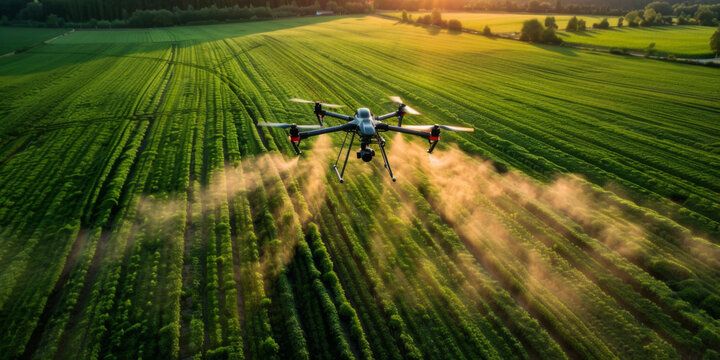
Agriculture is gradually moving toward more data-driven and precision-based methods. As farms face pressure to improve productivity, reduce chemical waste, and manage labor shortages, new tools are being introduced to support these goals. One such tool is the agricultural spraying drone. Agricultural drone sprayers are unmanned aerial vehicles designed to apply fertilizers, pesticides, herbicides, or nutrients to crops from above. They are increasingly used in both large commercial farms and smaller operations where targeted spraying can improve efficiency. While they do not replace traditional machinery in every situation, they provide a useful option for farmers who want more controlled and flexible crop treatment methods.
How Agricultural Drone Spraying Works
Drone sprayers typically combine several technologies:
-
Aerial flight systems with GPS stabilization
-
Tanks and precision spray nozzles
-
Mapping software and sensors
-
Automated route planning tools
Before spraying begins, a field can be mapped manually or through imaging software. The drone then follows a programmed route while applying chemicals in controlled quantities. Many systems adjust spray output based on crop density, terrain, or wind conditions.
This method allows treatment of specific areas rather than entire fields, which can reduce chemical use and improve application accuracy.
Common Uses in Agriculture
Agricultural spray drones are used across different types of farming operations.
Primary Applications
-
Applying pesticides and insecticides
-
Spraying herbicides to control weeds
-
Distributing liquid fertilizers
-
Spraying fungicides for disease prevention
-
Treating hard-to-reach or uneven terrain
Secondary Applications
-
Crop monitoring before treatment
-
Spot spraying infected zones
-
Supporting precision agriculture mapping
-
Small plot research trials
Because drones can access areas that tractors or boom sprayers cannot, they are often used in orchards, terraced fields, vineyards, or waterlogged land.
Benefits of Agricultural Drone Spraying
Drone spraying offers several operational advantages.
Key Benefits
-
More targeted chemical application
-
Reduced labor requirements for spraying
-
Ability to treat areas inaccessible to heavy machinery
-
Lower crop damage compared with tractor spraying
-
Faster response during pest outbreaks
-
Reduced chemical exposure for farm workers
Another advantage is flexibility. Drones can be deployed quickly without requiring full field preparation, which can be useful when weather windows are short.
Limitations and Practical Challenges
Despite their advantages, agricultural spray drones also have constraints.
Common Limitations
-
Limited tank capacity compared with ground sprayers
-
Shorter flight times per battery cycle
-
Sensitivity to strong winds or heavy rain
-
Regulatory restrictions in some regions
-
Initial investment and training requirements
Drone spraying is often most effective when used as a complement to traditional equipment rather than a full replacement.
Types of Agricultural Spray Drones
Different models are designed for different farm sizes and uses.
1. Small-Scale Farm Drones
These are lightweight and suited for small farms, research plots, or high-value crops. They usually carry smaller liquid volumes and are easier to transport.
2. Mid-Capacity Commercial Drones
These are common in professional farm operations. They balance payload size, flight time, and automation features.
3. High-Capacity Industrial Drones
Designed for large agricultural businesses, these drones support longer operation cycles, automated refilling systems, and advanced mapping integration.
Comparison Table: Drone Sprayers vs Traditional Sprayers
| Feature | Drone Sprayer | Tractor Boom Sprayer |
|---|---|---|
| Accessibility | High in difficult terrain | Limited in uneven fields |
| Crop damage risk | Low | Moderate |
| Tank capacity | Lower | High |
| Labor requirements | Lower | Higher |
| Setup time | Fast | Slower |
| Cost per hectare | Varies by scale | Often lower on large fields |
| Precision spraying | High | Moderate |
This comparison shows that drones are particularly useful where precision or accessibility matters more than bulk spraying capacity.
Latest Trends and Innovations
Agricultural drone technology is evolving quickly.
Emerging Developments
-
AI-assisted crop health detection
-
Automated obstacle avoidance systems
-
Swarm spraying using multiple drones
-
Real-time spray adjustment based on plant imaging
-
Integration with farm management platforms
-
Longer battery endurance and faster charging
Some newer models can also integrate satellite data or multispectral imaging, allowing drones to spray only areas that need treatment rather than covering entire fields.
Key Features to Consider When Evaluating Drone Sprayers
When choosing a drone sprayer, several technical and practical factors should be assessed.
Technical Features Checklist
-
Tank capacity appropriate for field size
-
Flight time per battery cycle
-
Spray width and nozzle control
-
GPS accuracy and mapping compatibility
-
Wind resistance capability
-
Ease of maintenance and spare part availability
Operational Considerations Checklist
-
Local drone regulations and licensing requirements
-
Availability of trained operators
-
Field size and crop type suitability
-
Storage and transport requirements
-
Technical support availability
Major Companies and Solutions in the Market
Several manufacturers produce agricultural spray drones. Availability varies by country.
Examples of Known Manufacturers
-
DJI Agriculture
-
XAG
-
Yamaha Motor unmanned systems division
-
Hylio agricultural drones
-
Drone Volt agriculture solutions
Each company offers models with different payload capacities, automation features, and support ecosystems. Farmers often compare drones based on payload size, software usability, and service networks rather than only price.
How to Choose the Right Drone Sprayer
Selecting a suitable system depends on the farm’s specific needs.
Step-by-Step Selection Approach
-
Estimate average hectares sprayed per season
-
Determine the chemicals used and required spray volume
-
Assess terrain challenges such as slopes or waterlogged areas
-
Check local regulations for drone operations
-
Compare payload size with expected field coverage
-
Consider operator training requirements
-
Evaluate service support and spare parts access
For many farms, the most practical choice is not the largest drone but the one that fits daily operational patterns.
Tips for Best Use and Maintenance
Proper use and maintenance help extend the life of drone sprayers.
Usage Tips
-
Always map the field before spraying
-
Avoid spraying in strong winds
-
Maintain consistent altitude for uniform coverage
-
Clean tanks and nozzles after each use
-
Monitor battery health regularly
Maintenance Checklist
-
Inspect spray lines for clogging
-
Check propellers and motors for wear
-
Update firmware and flight software
-
Store batteries in temperature-controlled conditions
-
Schedule periodic calibration checks
Routine maintenance reduces downtime and improves spray consistency.
Frequently Asked Questions
Are drone sprayers suitable for small farms?
Yes, particularly where precision spraying is needed or where terrain limits tractor access. "Suitability" depends more on crop type and terrain than farm size alone.
Do drone sprayers replace traditional machinery?
Usually not entirely. Many farms use drones for targeted treatments while keeping tractors for bulk spraying.
How long can a spray drone operate on one charge?
Most operate between 10 and 30 minutes per flight depending on payload weight and weather conditions.
Is training required to operate them?
In most regions, yes. Operators may need certification or licensing depending on aviation regulations.
Are they safe for crops?
When used correctly, drones can reduce crop damage because they do not physically contact the plants.
Conclusion: Practical Role of Drone Spraying in Modern Farming
Agricultural drone spraying represents a shift toward more precise and adaptable crop management. While it does not replace all conventional spraying methods, it offers clear advantages in targeted treatment, terrain accessibility, and operational flexibility.
For farms dealing with labor shortages, uneven fields, or the need for more controlled chemical use, drone spraying can be a useful addition to existing tools. The decision to adopt this technology should be based on practical needs, regulatory conditions, and long-term farm management goals rather than short-term trends.
When integrated thoughtfully, drone sprayers can support more efficient and responsive agricultural practices while helping farmers manage resources more carefully.