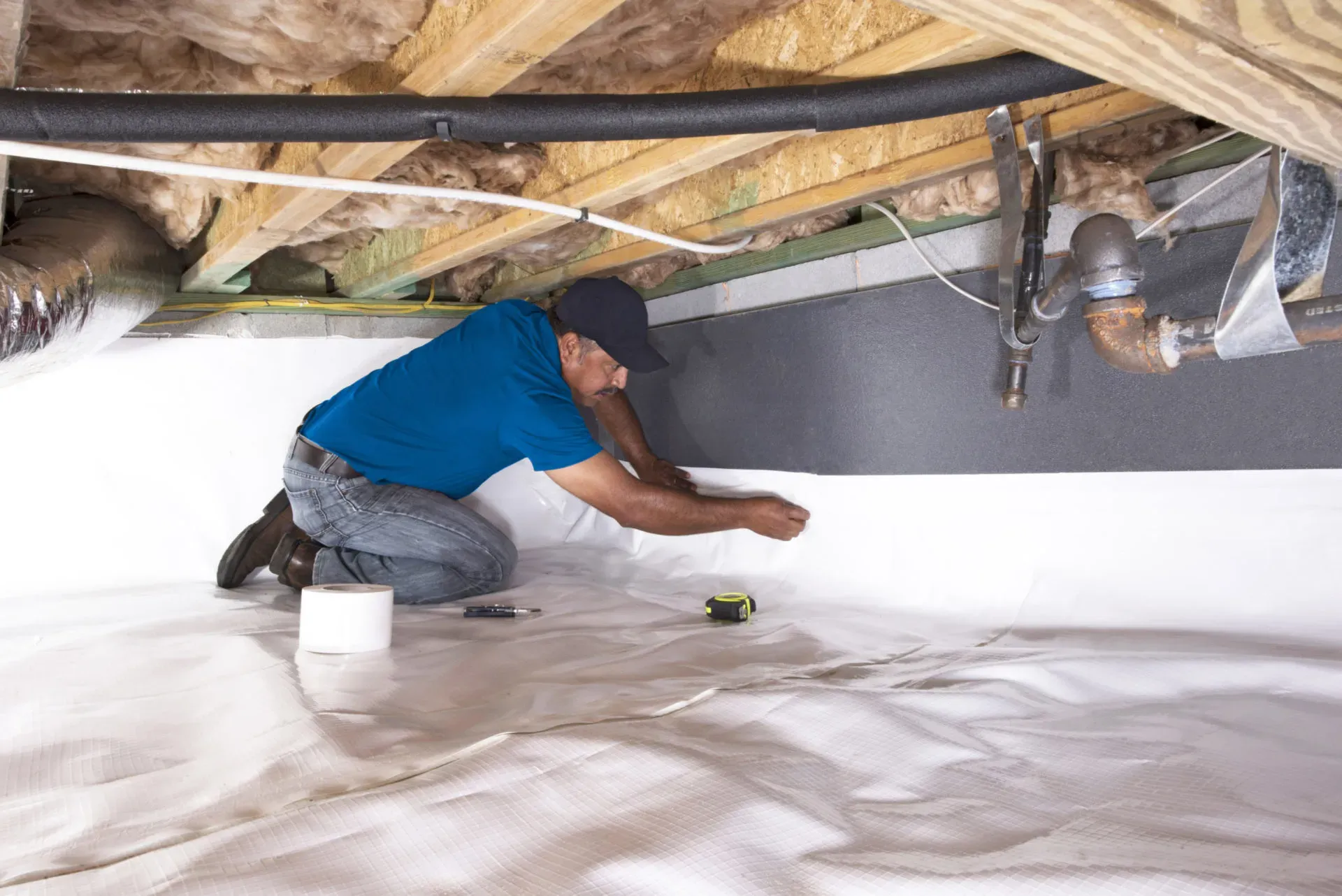
Crawl spaces are often out of sight and out of mind, but they play a critical role in a building’s overall health. When water accumulates in a crawl space, it can affect air quality, structural components, insulation, and even energy efficiency. Many homeowners and property managers search for affordable crawl space solutions because water issues are common, recurring, and potentially costly if left unaddressed
Understanding Crawl Space Water Issues
Before exploring solutions, it helps to understand why water collects in crawl spaces.
Common causes include:
-
Poor exterior drainage or grading
-
Heavy rainfall or flooding
-
High groundwater levels
-
Leaking pipes or HVAC systems
-
Inadequate ventilation leading to condensation
Not all water problems are equal. Some involve temporary moisture after storms, while others indicate long-term structural or drainage issues.
Benefits and Limitations of Affordable Crawl Space Solutions
Affordable solutions focus on reducing water and moisture without unnecessary complexity. However, cost-effective options also come with trade-offs.
Benefits
-
Lower upfront cost compared to full structural reconstruction
-
Faster installation in many cases
-
Reduced moisture-related issues such as mold growth
-
Improved indoor air quality over time
-
Can extend the lifespan of existing crawl space materials
Limitations
-
May not address severe flooding or foundation damage
-
Some solutions require ongoing maintenance
-
Temporary fixes may not work for chronic water intrusion
-
Effectiveness depends on correct diagnosis of the problem
Understanding both sides helps set realistic expectations.
Types of Crawl Space Water Removal and Repair Solutions
Affordable crawl space solutions generally fall into several categories. Each addresses water issues differently.
1. Manual Water Removal
This is often the first step when standing water is present.
Examples
-
Wet/dry vacuums
-
Portable utility pumps
Best for
-
Minor or one-time water accumulation
-
Emergency response after storms or leaks
Limitations
-
Does not prevent future water entry
-
Labor-intensive
2. Drainage Improvements
Drainage solutions aim to redirect water away from the crawl space.
Examples
-
Interior French drains
-
Exterior perimeter drains
-
Gravel trenches
Best for
-
Groundwater seepage
-
Recurring water intrusion
Limitations
-
Installation may require excavation
-
Effectiveness depends on soil conditions
3. Sump Pump Systems
Sump pumps actively remove water that collects in a designated pit.
Best for
-
Crawl spaces prone to regular water accumulation
Limitations
-
Requires electricity
-
Ongoing maintenance needed
4. Vapor Barriers and Encapsulation (Partial)
Partial encapsulation focuses on covering exposed soil.
Best for
-
Moisture control
-
Condensation issues
Limitations
-
Does not remove liquid water
-
Full encapsulation can be costly
5. Plumbing and Leak Repairs
Sometimes the water source is internal rather than environmental.
Examples
-
Pipe sealing or replacement
-
HVAC drain line repairs
Limitations
-
Requires accurate leak detection
-
May not address external water sources
Comparison Table: Common Crawl Space Solutions
| Solution Type | Cost Range | Water Prevention | Maintenance Level | Best Use Case |
|---|---|---|---|---|
| Manual Water Removal | Low | Temporary | High | Emergency situations |
| Drainage Systems | Medium | Moderate to High | Medium | Groundwater issues |
| Sump Pump | Medium | High | Medium | Frequent water buildup |
| Vapor Barrier | Low to Medium | Low | Low | Moisture control |
| Leak Repair | Low to Medium | High | Low | Plumbing-related water |
Latest Trends and Innovations
Crawl space water management has evolved in recent years, with a focus on efficiency and durability.
Notable trends include:
-
Energy-efficient sump pumps with battery backups
-
Smart moisture sensors for early detection
-
Thicker, reinforced vapor barriers
-
Modular drainage systems for easier installation
-
Improved crawl space access solutions for maintenance
These innovations aim to reduce long-term costs rather than just initial expenses.
Key Features to Consider When Evaluating Solutions
When comparing crawl space solutions, cost alone should not be the only factor.
Important features include:
-
Durability of materials
-
Ease of maintenance
-
Compatibility with existing structures
-
Climate and soil suitability
-
Accessibility for inspection and repairs
A low-cost solution that fails quickly can be more expensive over time.
Commonly Referenced Crawl Space Solution Providers
The following companies are often referenced in educational discussions about crawl space systems. This is not an endorsement.
| Company | Known For | Public Website |
|---|---|---|
| Basement Systems | Drainage and encapsulation systems | https://www.basementsystems.com |
| Crawlspace Medic | Moisture control education | https://www.crawlspacemedic.com |
| Foundation Supportworks | Structural and water management solutions | https://www.foundationsupportworks.com |
| American Crawl Space | Crawl space repair information | https://www.americancrawlspace.com |
Local contractors may also provide similar solutions using region-specific methods.
How to Choose the Right Crawl Space Solution
Selecting the right option depends on the nature of the water problem and the building itself.
Step-by-step approach:
-
Identify the water source (rain, groundwater, plumbing)
-
Determine frequency and severity
-
Inspect crawl space conditions (soil, insulation, access)
-
Compare short-term vs long-term costs
-
Consider maintenance requirements
In some cases, combining multiple affordable solutions works better than relying on one method.
Checklist: Evaluating Crawl Space Water Issues
-
Is there standing water or just dampness?
-
Does water appear after rainfall?
-
Are there visible leaks or damaged pipes?
-
Is there a musty odor?
-
Are insulation or wood materials damp?
Answering these questions helps narrow down suitable solutions.
Tips for Best Use and Maintenance
Even affordable solutions require proper care to remain effective.
Maintenance tips:
-
Inspect crawl space seasonally
-
Test sump pumps regularly
-
Keep drainage paths clear
-
Repair small leaks promptly
-
Replace damaged vapor barrier sections
Preventive maintenance often costs less than emergency repairs.
Frequently Asked Questions
Is water in a crawl space always a serious problem?
Not always. Occasional moisture may be manageable, but persistent water should be addressed to prevent long-term damage.
What is the average crawl space water removal cost?
Costs vary depending on the method used. Manual removal is inexpensive, while drainage systems and pumps involve higher installation costs.
Can I remove crawl space water myself?
For minor issues, yes. However, recurring or large-scale water problems may require professional assessment.
Does a vapor barrier stop flooding?
No. Vapor barriers control moisture, not active water intrusion.
How often should crawl spaces be inspected?
At least once or twice a year, and after major weather events.
Conclusion: A Practical Approach to Crawl Space Water Management
Affordable crawl space solutions for water removal and repair focus on understanding the problem first, then choosing the most appropriate response. Not every situation requires extensive repairs, but ignoring water issues can lead to higher costs over time. By combining basic water removal, targeted drainage, moisture control, and regular maintenance, many property owners can manage crawl space water effectively without unnecessary expense.