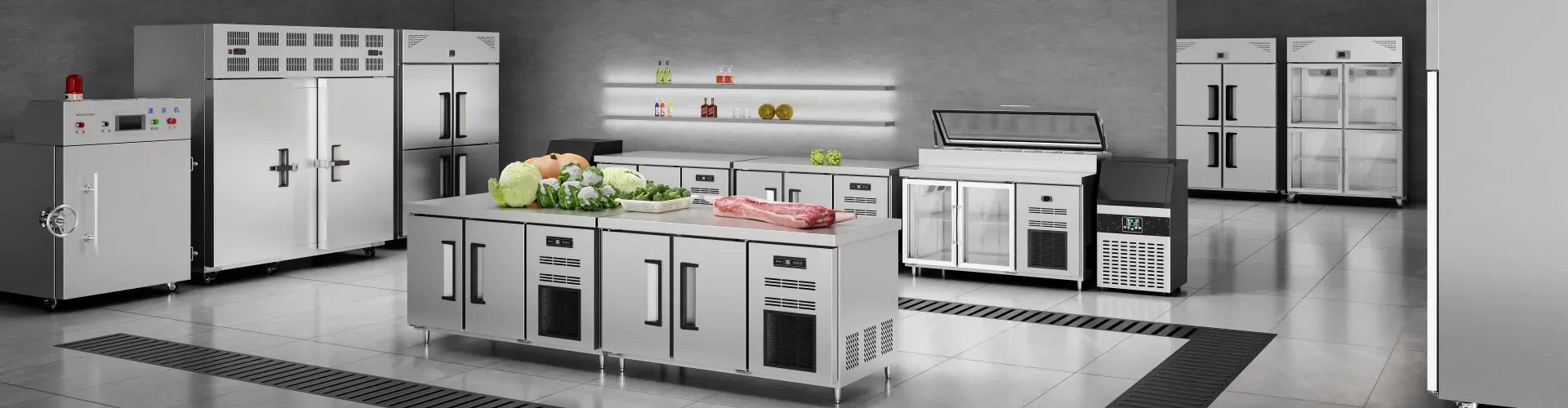
Industrial refrigeration systems are the backbone of many modern industries. From food processing plants and pharmaceutical storage to logistics warehouses and chemical manufacturing, temperature control plays a critical role in maintaining product quality, safety, and compliance. Unlike household refrigeration, industrial systems are designed for large volumes, continuous operation, and precise temperature management across complex environments.
What Industrial Refrigerators And Cold Storage Systems Do
Industrial refrigeration refers to large-scale cooling systems used to preserve materials, regulate environments, or support industrial processes. Cold storage systems include refrigerated rooms, walk-in freezers, temperature-controlled warehouses, and specialized cooling units designed for specific industries.
These systems typically include:
-
Compressors to circulate refrigerant
-
Condensers to release heat
-
Evaporators to absorb heat from storage spaces
-
Control systems to maintain consistent temperatures
-
Insulated storage structures
Together, they create controlled environments that keep goods safe over long periods.
Benefits Of Industrial Refrigeration Systems
1. Product Preservation And Quality Control
Cold storage slows bacterial growth, oxidation, and chemical reactions. This helps maintain freshness, extend shelf life, and prevent contamination.
2. Regulatory Compliance
Industries such as food, healthcare, and pharmaceuticals must meet strict storage standards. Industrial refrigeration ensures compliance with safety guidelines and audit requirements.
3. Reduced Waste And Losses
Temperature-controlled storage reduces spoilage, rejects, and recalls. This can significantly lower operational costs over time.
4. Operational Efficiency
Modern refrigeration systems often integrate automation, sensors, and monitoring tools that improve reliability and reduce manual oversight.
Limitations And Challenges
Despite their advantages, industrial refrigeration systems come with several considerations.
High Initial Investment
Large-scale cooling systems require significant capital for equipment, installation, and infrastructure.
Energy Consumption
Refrigeration is energy-intensive. Poorly optimized systems can lead to high operating costs.
Maintenance Requirements
Industrial units must be inspected regularly to prevent breakdowns, refrigerant leaks, or insulation failures.
Space And Structural Needs
Cold storage facilities require specialized building materials, airflow planning, and temperature zoning.
Types Of Industrial Refrigerators And Cold Storage Systems
Walk-In Coolers
Used for storing fresh food, beverages, and agricultural products at moderate temperatures. Common in supermarkets and food processing plants.
Walk-In Freezers
Designed for deep freezing and long-term storage. Often used in meat processing, seafood handling, and frozen food logistics.
Refrigerated Warehouses
Large facilities capable of storing bulk goods across multiple temperature zones. Widely used in distribution networks.
Blast Freezers
These rapidly reduce product temperature to preserve texture and quality. Common in commercial food production.
Process Cooling Systems
Used in industrial manufacturing to control machine temperatures, chemical reactions, or production environments.
Comparison Table: Common Industrial Refrigeration Options
| System Type | Typical Temperature Range | Best For | Scale |
|---|---|---|---|
| Walk-in cooler | 0°C to 8°C | Fresh food storage | Small to medium |
| Walk-in freezer | −18°C to −25°C | Frozen goods storage | Medium to large |
| Blast freezer | −30°C or lower | Rapid freezing processes | Industrial |
| Refrigerated warehouse | Multiple zones | Logistics and distribution | Very large |
| Process cooling system | Variable | Manufacturing control | Industrial |
Key Features To Consider Before Choosing A System
When selecting an industrial refrigeration solution, several technical and operational factors should be evaluated.
Cooling Capacity
The system must match storage volume and heat load. Undersized units struggle to maintain temperatures, while oversized ones waste energy.
Energy Efficiency
Look for high-efficiency compressors, advanced insulation, and automated control systems that reduce power consumption.
Refrigerant Type
Many modern systems use environmentally safer refrigerants due to evolving regulations on emissions and climate impact.
Monitoring And Automation
Digital sensors, remote alerts, and temperature logging improve reliability and help detect problems early.
Expansion Capability
Businesses often grow, so modular or scalable systems can prevent future replacement costs.
Latest Trends And Innovations In Industrial Refrigeration
Smart Monitoring Systems
IoT-enabled refrigeration systems can track temperatures, detect faults, and send alerts in real time. This reduces downtime and improves compliance tracking.
Natural Refrigerants
Ammonia, CO₂, and hydrocarbon refrigerants are gaining popularity due to their lower environmental impact and regulatory advantages.
Energy-Efficient Compressors
Variable-speed compressors adjust output based on demand, improving efficiency and lowering electricity usage.
Heat Recovery Systems
Some facilities now reuse heat generated by refrigeration systems for water heating or building climate control.
Modular Cold Storage
Prefabricated cold rooms allow faster installation and easier expansion, making them attractive for growing businesses.
Top Companies And Industrial Refrigeration Solutions
Several manufacturers provide widely used refrigeration technologies and components. Businesses often compare solutions from:
-
Carrier – Known for large-scale cooling systems and integrated warehouse solutions
-
Daikin – Offers industrial refrigeration equipment and energy-efficient compressor systems
-
Thermo King – Specializes in refrigerated transport and cold-chain logistics solutions
-
Danfoss – Produces refrigeration valves, compressors, and automation components
-
Emerson Electric – Provides refrigeration control systems, sensors, and monitoring technology
Comparing manufacturer specifications, efficiency ratings, and service networks can help businesses find a suitable solution.
How To Choose The Right Industrial Refrigeration System
Choosing the right system requires balancing operational needs with long-term costs.
Step-By-Step Selection Approach
-
Define storage temperature requirements
-
Estimate storage volume and turnover rate
-
Calculate heat load and insulation needs
-
Compare energy consumption of system options
-
Evaluate installation space and infrastructure
-
Consider maintenance support availability
-
Plan for future capacity expansion
Quick Checklist For Buyers
Before purchase, confirm:
-
Required temperature range identified
-
Energy efficiency ratings reviewed
-
Refrigerant compliance checked
-
Installation space verified
-
Backup power options considered
-
Monitoring system included
-
Maintenance support available
Tips For Best Use And Maintenance
Proper system management can significantly extend equipment life and reduce costs.
Maintain Airflow
Blocked vents and poor circulation reduce cooling efficiency and create uneven temperatures.
Inspect Insulation Regularly
Damaged door seals or wall insulation can cause temperature loss and energy waste.
Schedule Preventive Maintenance
Routine inspections help identify leaks, compressor wear, and sensor issues early.
Monitor Temperature Continuously
Automated logging systems help detect fluctuations and prevent product damage.
Train Staff On Proper Usage
Frequent door openings, improper loading, or poor storage practices can undermine system performance.
FAQs: Real Questions Businesses Often Ask
How long do industrial refrigeration systems last?
Most systems last between 15 and 25 years, depending on maintenance quality, operating conditions, and system design.
Are industrial systems always expensive to run?
Energy use can be high, but modern efficient compressors, insulation, and automation can significantly reduce operating costs.
What temperature range do most warehouses need?
This varies by industry. Food logistics often require zones between −25°C and +5°C, while pharmaceuticals may need tightly controlled ranges near 2–8°C.
Do small businesses need industrial refrigeration?
Not always. Smaller operations may use commercial refrigeration, but growing businesses often transition to industrial systems for capacity and reliability.
Is it better to build or rent cold storage space?
Renting can be useful for short-term or seasonal needs. Building a facility is more cost-effective for long-term, high-volume storage.
Conclusion: Making Practical Refrigeration Decisions
Industrial refrigeration systems are essential infrastructure for many industries. While the technology can appear complex, understanding the basics — system types, performance factors, energy efficiency, and maintenance needs — makes the selection process more manageable.
The right system is not necessarily the largest or most advanced one. Instead, it is the one that matches storage needs, operating scale, and long-term business goals. By carefully evaluating requirements, comparing options, and planning for future growth, businesses can build refrigeration systems that remain reliable, efficient, and cost-effective for years to come.