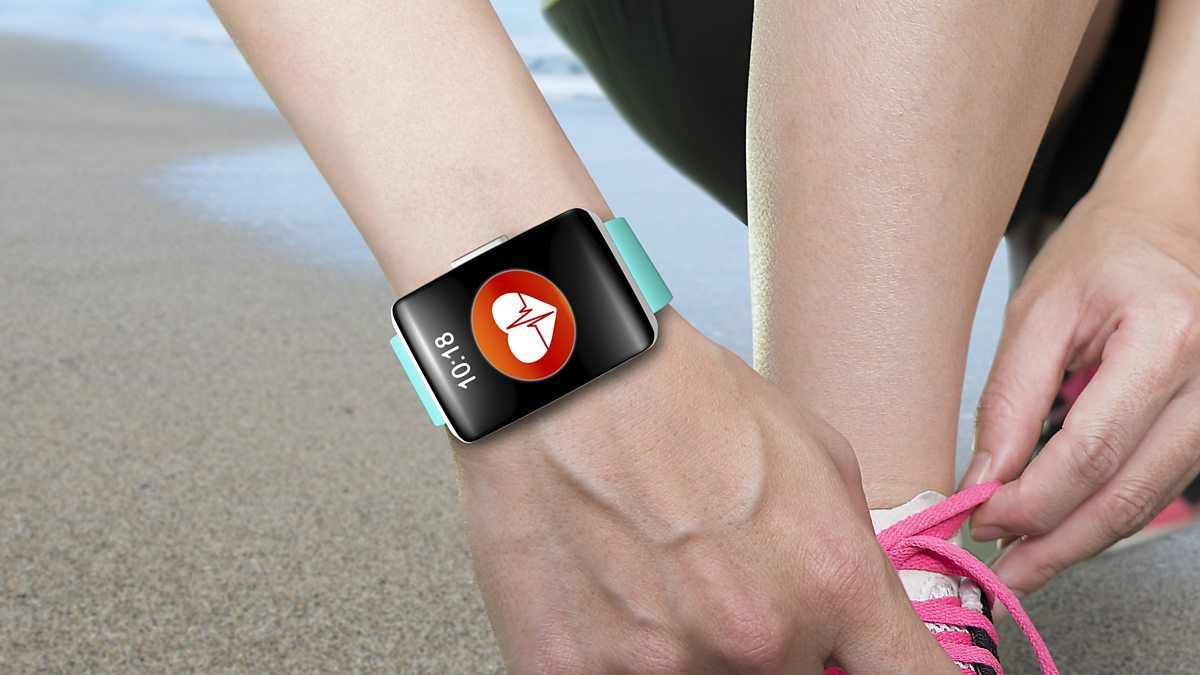
Fitness tracking devices have become a common part of everyday life for many people. From counting steps to monitoring sleep patterns, these devices help users better understand their physical activity and general health habits. They are used by a wide range of individuals, including beginners looking to become more active, fitness enthusiasts tracking workouts, and people interested in maintaining overall well-being.
What Are Fitness Tracking Devices?
Fitness tracking devices are electronic tools designed to collect data related to physical activity and health-related metrics. They are typically worn on the body, such as on the wrist, clipped to clothing, or integrated into other accessories. These devices use sensors to record movement, heart rate, sleep cycles, and other measurable indicators.
Most fitness trackers connect to mobile applications or web platforms where users can view and analyze their data over time. The focus is on awareness and trend monitoring rather than medical diagnosis.
How Fitness Tracking Devices Work
Fitness tracking devices rely on a combination of hardware sensors and software algorithms.
Common Sensors Used
-
Accelerometers measure movement and steps
-
Gyroscopes detect orientation and motion patterns
-
Optical heart rate sensors estimate heart rate using light
-
GPS modules track outdoor movement and distance
-
Temperature and oxygen sensors estimate additional health metrics in some models
Data Processing
The collected sensor data is processed using algorithms to estimate metrics such as calories burned, sleep stages, and activity intensity. These estimates are based on general models and may vary in accuracy depending on usage and conditions.
Benefits of Fitness Tracking Devices
Fitness tracking devices offer several practical advantages for users seeking to understand their activity patterns.
Increased Awareness
By displaying daily activity levels, these devices help users become more aware of how much they move throughout the day.
Goal Setting and Monitoring
Users can set personal goals, such as step counts or active minutes, and track progress over time.
Routine Building
Consistent tracking can encourage regular movement and help users establish healthier habits.
Data History
Long-term data storage allows users to observe trends and changes in activity or sleep patterns.
Accessibility
Most devices are designed for ease of use and can be worn throughout the day with minimal effort.
Limitations and Challenges
While fitness tracking devices can be helpful, they also have limitations.
Accuracy Variations
Metrics such as calorie burn and sleep stages are estimates and may not be precise.
Not Medical Devices
Most fitness trackers are not intended for medical diagnosis or treatment decisions.
Battery Dependence
Regular charging is required, and battery life varies between devices.
Data Interpretation
Understanding what the data means may require some learning, especially for new users.
Privacy Considerations
Collected data is often stored digitally, making privacy and data security important considerations.
Types and Categories of Fitness Tracking Devices
Fitness tracking devices come in several forms, each suited to different needs.
Basic Activity Trackers
These focus on step counting, distance, and basic calorie estimates. They are usually lightweight and simple.
Fitness Bands
Worn on the wrist, fitness bands often include heart rate monitoring and sleep tracking.
Smartwatches with Fitness Features
These combine fitness tracking with additional functions such as notifications, apps, and GPS tracking.
Clip-On Trackers
Small devices clipped to clothing, focusing mainly on movement tracking.
Specialized Fitness Devices
Designed for specific activities such as running, cycling, or swimming, often with advanced metrics.
Comparison Table: Common Device Categories
| Category | Key Features | Suitable For |
|---|---|---|
| Basic Trackers | Steps, distance | Beginners |
| Fitness Bands | Heart rate, sleep | General users |
| Smartwatches | GPS, apps, workouts | Active users |
| Clip-On Trackers | Lightweight tracking | Minimal wear |
| Specialized Devices | Activity-specific data | Focused training |
Latest Trends and Innovations
Fitness tracking technology continues to evolve.
Advanced Health Metrics
Some devices now estimate metrics like blood oxygen levels or stress indicators.
Improved Sensor Accuracy
Newer sensors aim to provide more consistent data during varied activities.
Integration with Ecosystems
Trackers increasingly connect with other devices and platforms, such as smartphones and wellness apps.
Longer Battery Life
Design improvements have led to devices that last longer between charges.
Simplified Interfaces
User interfaces are becoming clearer and easier to navigate for a broader audience.
Key Features to Consider
When evaluating fitness tracking devices, several features are commonly considered.
Comfort and Design
Since devices are worn for long periods, comfort and fit are important.
Battery Life
Battery duration can range from a single day to several weeks.
Compatibility
Check whether the device works with your smartphone or operating system.
Display and Controls
Screen size, readability, and navigation affect daily usability.
Data Access
Consider how easily you can view, export, or manage your activity data.
Overview of Well-Known Fitness Tracking Brands
Several companies are known for producing fitness tracking devices. Availability and features vary by region.
-
Fitbit – Known for fitness-focused trackers and watches
https://www.fitbit.com -
Garmin – Offers devices focused on sports and outdoor activities
https://www.garmin.com -
Apple – Integrates fitness tracking into smartwatches
https://www.apple.com -
Samsung – Provides fitness tracking within its wearable ecosystem
https://www.samsung.com -
Xiaomi – Offers basic fitness bands with essential tracking features
https://www.mi.com
This list is informational and not a recommendation.
How to Choose the Right Fitness Tracking Device
Selecting a fitness tracking device depends on individual needs and preferences.
Define Your Goals
Identify what you want to track, such as steps, workouts, or sleep.
Consider Your Activity Level
More active users may benefit from advanced tracking features.
Set a Budget Range
Devices vary widely in cost depending on features and build quality.
Review Data Presentation
Choose a device with clear and understandable reports.
Evaluate Ease of Use
Simple setup and intuitive controls can improve long-term use.
Checklist: Before Choosing a Fitness Tracker
-
Identify main tracking needs
-
Check device compatibility
-
Review battery life expectations
-
Consider comfort and design
-
Understand data privacy policies
-
Compare feature sets
Tips for Best Use and Maintenance
Daily Use Tips
-
Wear the device consistently for accurate trends
-
Adjust fit to ensure sensor contact
-
Sync data regularly with the companion app
Maintenance Tips
-
Clean the device and strap periodically
-
Avoid exposure to extreme temperatures
-
Follow manufacturer charging guidelines
Long-Term Use
-
Review data trends rather than daily fluctuations
-
Update device software when available
-
Reassess goals as activity levels change
Frequently Asked Questions
Are fitness tracking devices accurate?
They provide estimates based on sensor data and algorithms. Accuracy varies by activity and device type.
Can fitness trackers replace medical devices?
No. They are designed for general wellness tracking, not medical diagnosis.
Do fitness trackers work without a smartphone?
Some features may work independently, but full data access often requires a smartphone.
How long do fitness trackers last?
Device lifespan depends on build quality, usage, and battery health, often ranging from a few years.
Is my data private?
Data handling depends on the manufacturer’s privacy policies. Users should review these before use.
Conclusion: A Practical Takeaway
Fitness tracking devices offer a structured way to observe daily activity, movement patterns, and general wellness habits. By collecting and organizing data, they help users gain insights into their routines and make more informed choices about physical activity.
However, understanding their limitations is just as important as recognizing their benefits. Fitness trackers are tools for awareness and motivation rather than precise measurement or medical evaluation. Choosing the right device involves aligning features with personal goals, comfort, and data preferences. When used thoughtfully, fitness tracking devices can support a more informed and balanced approach to everyday health and activity.