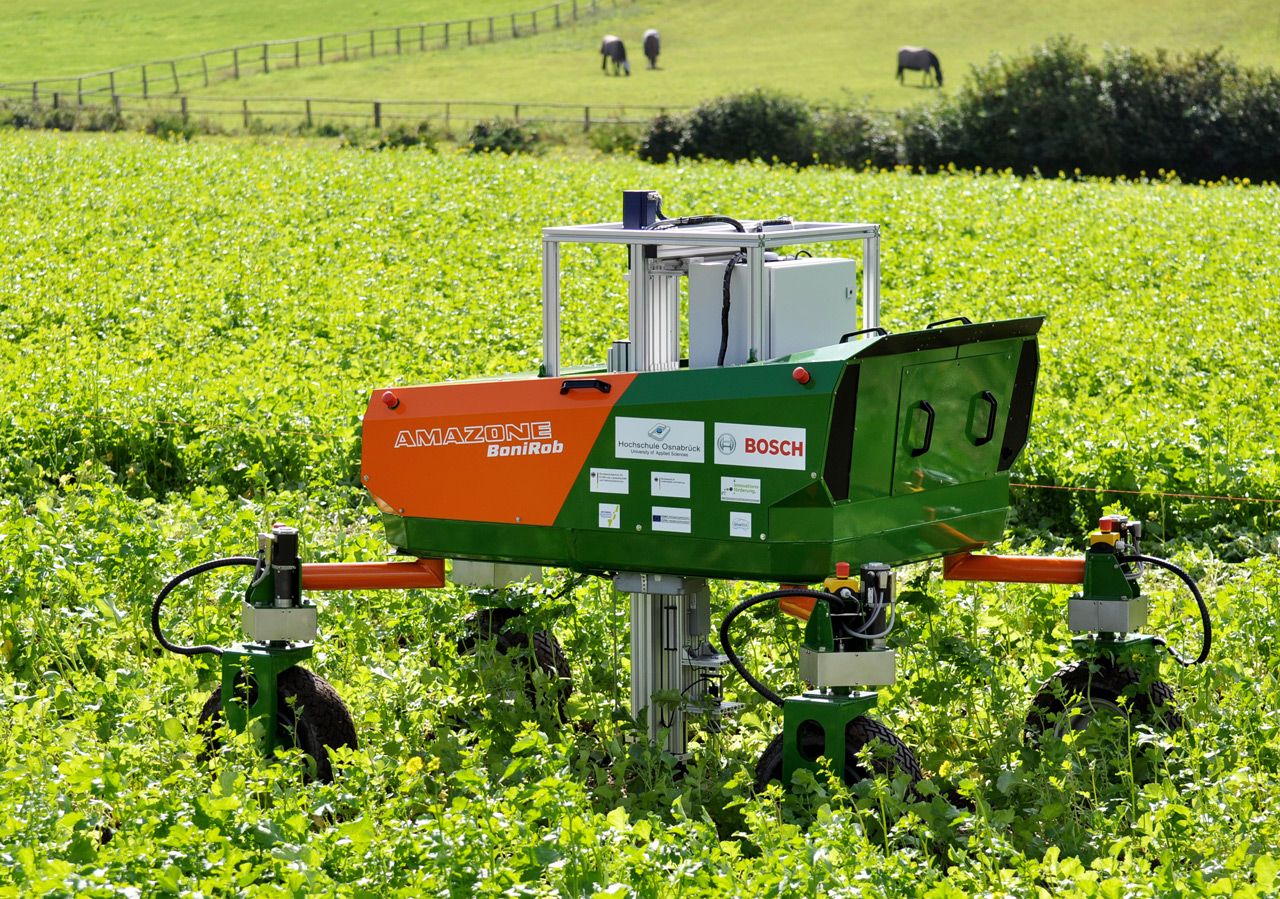
Agriculture has always evolved alongside technology. From hand tools to mechanized tractors, each shift has aimed to improve efficiency, reduce labor demands, and increase consistency in food production. In recent years, agricultural robotics has emerged as another step in this progression. These systems combine robotics, sensors, data analysis, and automation to support farming activities in new ways. Agricultural robotics does not replace farming knowledge; instead, it builds on it. These tools are designed to assist with tasks such as planting, monitoring crops, managing weeds, harvesting, and collecting data. As farms face challenges like labor shortages, climate variability, and the need for sustainable practices, robotics has become an area of growing interest. This guide explores what agricultural robotics is, how it is used, its benefits and limitations, key categories, current trends, and practical considerations for understanding and evaluating these technologies
Understanding Agricultural Robotics
Agricultural robotics refers to automated or semi-automated machines designed to perform farming tasks with minimal human intervention. These systems may operate independently or alongside human workers, depending on their design and purpose.
At a basic level, agricultural robots rely on:
-
Mechanical components for movement or task execution
-
Sensors to collect environmental data
-
Software to process information and guide actions
-
Connectivity for data storage or monitoring
The goal is to increase precision and consistency while reducing repetitive or physically demanding work.
Benefits of Agricultural Robotics in Farming
Agricultural robotics offers several potential advantages that explain growing interest across different types of farming operations.
Improved Efficiency and Productivity
Robotic systems can operate for extended periods and perform repetitive tasks consistently. This can help improve task completion rates during planting, spraying, or harvesting.
Labor Support
Many regions face seasonal or long-term labor shortages. Robotics can help reduce dependence on manual labor for specific tasks while allowing workers to focus on supervision and decision-making.
Precision and Accuracy
Robotic systems often use sensors and mapping tools to apply inputs such as water, fertilizer, or pest control more precisely, which can reduce waste.
Data Collection and Monitoring
Robots equipped with cameras and sensors can collect detailed data about crop health, soil conditions, and growth patterns, supporting informed farm management decisions.
Potential Environmental Benefits
Targeted application of inputs and improved monitoring can support more sustainable farming practices by reducing overuse of chemicals or water.
Limitations and Challenges to Consider
Despite the potential benefits, agricultural robotics also presents limitations and challenges that are important to understand.
High Initial Costs
Robotic systems can require significant upfront investment, which may be a barrier for smaller farms.
Technical Complexity
Operating and maintaining robotic systems often requires technical knowledge, training, and ongoing support.
Infrastructure Requirements
Some systems rely on connectivity, GPS accuracy, or specific field conditions that may not be available everywhere.
Adaptability Issues
Not all robots perform well across diverse crops, terrains, or climates. Customization may be limited.
Integration with Existing Practices
Adapting workflows to include robotic systems can take time and planning.
Understanding these limitations helps set realistic expectations and supports informed evaluation.
Main Types of Agricultural Robotics
Agricultural robotics can be grouped into categories based on function. Each category addresses different aspects of farming operations.
Field Robots
These robots operate directly in fields to perform tasks such as planting, weeding, or spraying. They often use cameras and sensors to navigate rows and identify plants.
Harvesting Robots
Designed to assist with or automate harvesting, these robots focus on specific crops and aim to handle produce carefully to reduce damage.
Monitoring and Scouting Robots
These systems collect data on crop health, pests, and soil conditions. They may operate on the ground or as aerial platforms.
Autonomous Tractors and Vehicles
These machines automate traditional tractor functions such as plowing, seeding, or towing equipment with minimal human involvement.
Aerial Robotics (Drones)
While not always classified strictly as robots, drones play a role in agricultural automation by capturing aerial imagery and data.
Comparison Table: Common Agricultural Robotics Categories
| Category | Primary Function | Typical Use |
|---|---|---|
| Field Robots | Planting, weeding, spraying | Crop row management |
| Harvesting Robots | Picking produce | Fruits and vegetables |
| Monitoring Robots | Data collection | Crop and soil analysis |
| Autonomous Vehicles | Equipment operation | Large-scale farming |
| Drones | Aerial monitoring | Field mapping and inspection |
Key Features to Look For in Agricultural Robotics
When learning about agricultural robotics, certain features help define how effective and adaptable a system may be.
-
Navigation Systems: GPS, cameras, or lidar for accurate movement
-
Sensor Capabilities: Ability to detect plants, soil conditions, or obstacles
-
Data Integration: Compatibility with farm management software
-
Scalability: Suitability for different farm sizes
-
Durability: Ability to operate in outdoor environments
-
Maintenance Requirements: Ease of servicing and support availability
These features influence how robotics fits into real-world farming conditions.
Recent Trends and Innovations in Agricultural Robotics
Agricultural robotics continues to evolve, influenced by advances in computing, artificial intelligence, and sensor technology.
Increased Use of AI and Machine Learning
Modern systems increasingly rely on AI to identify plants, detect pests, and make decisions based on patterns in collected data.
Focus on Precision Agriculture
Robots are being designed to work at a plant-by-plant level, rather than treating entire fields uniformly.
Smaller and Modular Robots
Some newer designs favor smaller machines that work together, reducing soil compaction and increasing flexibility.
Integration with Data Platforms
Robotics systems are often linked to digital farm management tools, enabling centralized data analysis.
Sustainability-Oriented Design
Innovations increasingly aim to reduce chemical use and support resource-efficient farming practices.
Notable Companies and Research Initiatives
Agricultural robotics is explored by both commercial companies and research institutions. Examples of well-known organizations include:
-
John Deere – Research and development in autonomous farming systems
-
AGCO – Focus on smart farming technologies
-
Bosch – Development of agricultural automation and sensors
-
Naïo Technologies – Field robots for mechanical weeding
-
Universities and Agricultural Research Centers – Ongoing studies into robotics and automation
For educational information, public resources include:
-
Official company technology overview pages
-
University agricultural engineering departments
-
Government agricultural research publications
These sources provide insight into how technologies are developed and tested.
How to Evaluate Agricultural Robotics for Learning or Awareness
When exploring agricultural robotics, consider the following factors:
-
Purpose: What specific farming task is being addressed?
-
Environment: Crop type, terrain, and climate suitability
-
Scale: Small, medium, or large farm relevance
-
Technical Requirements: Training, maintenance, and support needs
-
Data Use: How information is collected and applied
This evaluation helps readers understand where robotics fits within broader agricultural systems.
Checklist: Understanding Agricultural Robotics Effectively
Use this checklist when learning about or comparing agricultural robotics systems:
-
Clear definition of the task the robot performs
-
Explanation of how it navigates and operates
-
Description of data collected and how it is used
-
Consideration of limitations and risks
-
Realistic expectations of outcomes and effort
This checklist supports balanced understanding rather than assumptions.
Tips for Effective Use and Ongoing Maintenance
For those studying or observing agricultural robotics in practice, certain principles apply broadly:
-
Introduce automation gradually rather than all at once
-
Ensure operators understand both technology and farming practices
-
Monitor performance regularly and adjust settings as needed
-
Plan for routine maintenance and updates
-
Keep data organized and secure
These practices support reliability and long-term usability.
Frequently Asked Questions
Do agricultural robots replace farmers?
No. These systems are designed to support farming activities, not replace human knowledge and decision-making.
Are agricultural robots suitable for all farms?
Not necessarily. Suitability depends on crop type, farm size, budget, and infrastructure.
How reliable are agricultural robots?
Reliability varies by system and conditions. Many are still evolving and require supervision.
Do agricultural robots require internet access?
Some systems rely on connectivity, while others operate offline with periodic data uploads.
Are agricultural robots environmentally friendly?
They can support sustainability by improving precision, but outcomes depend on how they are used.
Conclusion: Reflecting on the Role of Robotics in Farming
Agricultural robotics represents a significant development in modern farming, offering tools that support efficiency, precision, and data-driven decision-making. While these technologies are not a universal solution, they provide new ways to address ongoing challenges in agriculture.
Understanding the concepts, categories, benefits, and limitations of agricultural robotics allows readers to engage with the topic thoughtfully. As technology continues to evolve, informed awareness will remain essential for evaluating how robotics fits into the future of farming in practical and responsible ways.