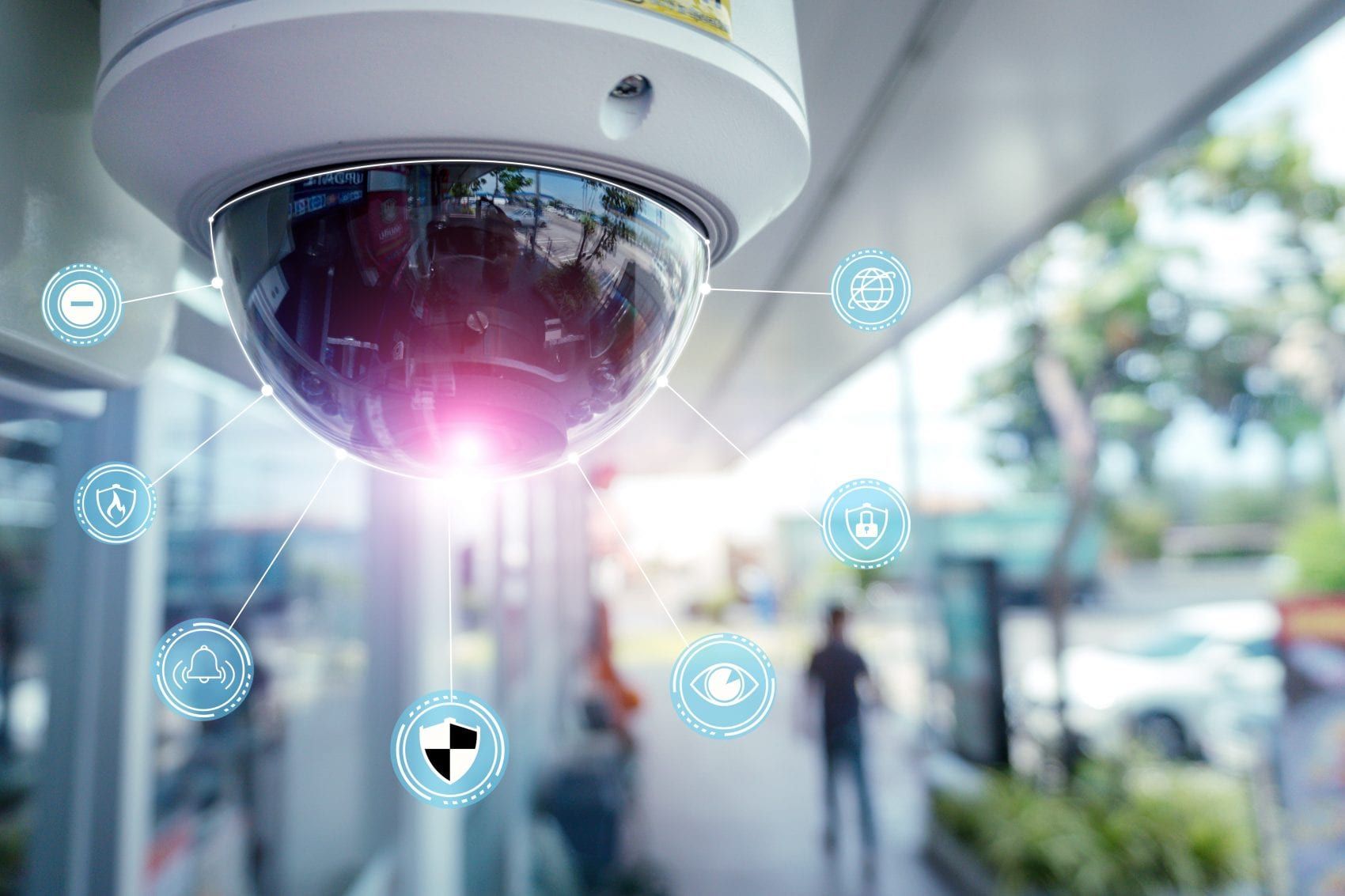
Security cameras have been used for decades to monitor homes, offices, and public spaces. In recent years, artificial intelligence has changed how these cameras work. Instead of simply recording video, AI-powered security cameras can analyze what they see, identify patterns, and help users understand events more clearly. For homeowners, small businesses, and organizations, this shift raises important questions. How do AI-powered security cameras differ from traditional systems? What benefits do they offer, and what limitations should users be aware of? Most importantly, how can someone choose a camera that fits their actual needs rather than unnecessary features?
What Is an AI-Powered Security Camera?
An AI-powered security camera combines traditional video capture with software that analyzes footage in real time or after recording. Instead of just storing video, the camera uses machine learning algorithms to detect motion, recognize objects, and classify events.
Examples of AI-driven features include:
-
Distinguishing people from animals or vehicles
-
Identifying unusual movement patterns
-
Sending alerts only when specific events occur
-
Learning typical activity patterns over time
These features aim to reduce unnecessary alerts and make video monitoring more efficient and meaningful.
Benefits of AI-Powered Security Cameras
AI-powered cameras offer several practical advantages compared to basic motion-detection cameras.
Improved Event Detection
Traditional cameras often trigger alerts for any movement, such as shadows or passing cars. AI systems can identify specific objects, such as people or vehicles, making alerts more relevant.
Reduced Alert Fatigue
By filtering out routine or harmless motion, AI cameras help users avoid constant notifications. This makes it easier to respond when something important happens.
Smarter Search and Playback
AI tagging allows users to search footage by event type, such as “person detected” or “vehicle movement,” instead of manually reviewing hours of video.
Enhanced Situational Awareness
Some systems can provide summaries of activity patterns, helping users understand when and where movement usually occurs.
Limitations and Considerations
Despite their advantages, AI-powered security cameras are not without limitations.
Dependence on Lighting and Placement
AI detection accuracy can drop in poor lighting conditions or if cameras are positioned incorrectly.
Privacy Concerns
Advanced detection features raise privacy questions, especially in shared spaces. Users should consider local regulations and ethical implications.
Internet and Power Requirements
Many AI features rely on cloud processing, requiring a stable internet connection. Power outages can also affect functionality unless backup systems are in place.
Learning Period
Some AI systems need time to learn typical activity patterns, during which alerts may be less accurate.
Types of AI-Powered Security Cameras
AI-powered cameras can be categorized based on design, placement, and functionality.
Indoor AI Security Cameras
Designed for monitoring interior spaces such as offices or homes. These often focus on human detection and activity recognition.
Outdoor AI Security Cameras
Built to withstand weather conditions and typically include features like vehicle detection, night vision, and wide viewing angles.
Wired AI Cameras
Connected directly to a power source and network, offering stable performance and consistent video quality.
Wireless AI Cameras
Battery-powered or rechargeable models that offer flexible installation but may require more frequent maintenance.
Edge AI vs Cloud AI Cameras
-
Edge AI cameras process data locally, reducing latency and improving privacy.
-
Cloud AI cameras process data remotely, allowing advanced analytics but relying on internet connectivity.
Latest Trends and Innovations
AI-powered security cameras continue to evolve with new technologies.
Edge Computing Growth
More cameras now process AI tasks on the device itself, improving response times and reducing cloud dependency.
Integration With Smart Systems
AI cameras increasingly integrate with smart home and building systems, allowing coordinated responses such as lighting or access control.
Behavioral Analysis
Advanced models can identify unusual behavior patterns rather than just motion, improving threat detection accuracy.
Improved Night Vision AI
AI-enhanced low-light imaging helps cameras interpret scenes more accurately in darkness.
Key Features to Consider
Choosing an AI-powered security camera involves evaluating features based on actual needs.
Object and Activity Detection
Look for clear distinctions between people, vehicles, animals, and objects.
Video Resolution and Frame Rate
Higher resolution improves detail but requires more storage and bandwidth.
Field of View
Wide-angle lenses cover larger areas but may reduce detail at longer distances.
Storage Options
Consider whether footage is stored locally, in the cloud, or both.
Alert Customization
The ability to define zones, schedules, and detection types improves usability.
Data Security and Privacy Controls
Encryption, access management, and data retention settings are essential for responsible use.
Comparison Table: Common AI Camera Capabilities
| Feature | Basic AI Cameras | Advanced AI Cameras |
|---|---|---|
| Object Detection | Limited categories | Multiple object types |
| Alert Customization | Basic motion alerts | Event-specific alerts |
| Storage Options | Cloud only | Cloud and local |
| Privacy Controls | Standard | Advanced settings |
| Processing Location | Cloud-based | Edge or hybrid |
Top Companies and Solutions (Informational Overview)
Several manufacturers and platforms are known for AI-enabled security camera systems. These examples are provided for informational context only.
-
Google Nest – AI-driven home and small office monitoring
https://store.google.com -
Arlo – AI-based detection for indoor and outdoor use
https://www.arlo.com -
Ubiquiti Protect – Edge AI cameras for business environments
https://www.ui.com -
Axis Communications – AI-enabled cameras for enterprise use
https://www.axis.com
Readers should review official documentation and third-party evaluations before selecting any system.
How to Choose the Right AI-Powered Security Camera
Selecting the right camera depends on context, not just features.
Step 1: Define the Purpose
Determine whether the camera is for safety monitoring, activity tracking, or access oversight.
Step 2: Assess the Environment
Indoor and outdoor settings require different hardware and AI capabilities.
Step 3: Decide on Processing Preferences
Choose between edge AI for privacy and speed or cloud AI for advanced analytics.
Step 4: Review Data Policies
Understand how video data is stored, accessed, and protected.
Step 5: Plan for Scalability
Consider whether additional cameras may be added in the future.
Checklist: Before Choosing an AI Security Camera
-
Clear understanding of monitoring goals
-
Suitable camera type for location
-
Reliable power and network access
-
Adequate privacy and security controls
-
Realistic expectations of AI accuracy
Tips for Best Use and Maintenance
Optimize Camera Placement
Mount cameras at appropriate heights and angles to improve detection accuracy.
Keep Software Updated
Firmware updates often improve AI performance and security.
Clean Lenses Regularly
Dust and debris can interfere with video quality and detection.
Review Alerts Periodically
Adjust settings based on real-world usage to reduce unnecessary notifications.
Monitor Storage Usage
Ensure sufficient storage to avoid losing important footage.
Frequently Asked Questions
Are AI-powered security cameras always recording?
Not necessarily. Many record only when specific events are detected, depending on settings.
Do AI cameras require constant internet access?
Edge AI cameras can function offline, but cloud-based features require connectivity.
Are AI cameras suitable for small businesses?
Yes, especially when customized for specific monitoring needs.
How accurate is AI detection?
Accuracy varies based on lighting, placement, and system quality. No system is error-free.
Can AI cameras replace human monitoring?
They assist monitoring but do not fully replace human judgment.
Conclusion: A Practical Perspective
AI-powered security cameras represent a shift from passive recording to intelligent monitoring. By understanding their capabilities, limitations, and practical considerations, users can choose systems that align with real needs rather than expectations shaped by marketing claims.
The most effective AI security solution is one that fits its environment, respects privacy, and provides useful insights without unnecessary complexity. Thoughtful selection and proper setup are key to getting meaningful value from this evolving technology.